
Vandaag of morgen in huis

Kwaliteit gegarandeerd

Welkomstaanbiedingen ontgrendelen: GRATIS bezorging | Tot 80% korting | Gratis 30 dagen JoyPlus-proefperiode
Download de app
Thinking about buying curry online but unsure whether to go for a curry sauce, curry paste, curry spices or a ready-made curry meal? The difference isn't just about flavour. Heat level, preparation time, portion size and allergens all play a part in whether a product is right for your kitchen.
A packet labelled “authentic”, “traditional” or “rich in flavour” doesn't tell you much on its own. Instead, look closely at the ingredients, cooking instructions and nutritional information. That way, you can avoid ending up with something too spicy, too sweet or unsuitable for your diet.
An Indian curry, Thai red curry, Japanese curry and Surinamese masala each have a completely different flavour profile. Madras curry is often aromatic and hot, whereas korma curry is typically mild and creamy. Japanese curry tends to be thicker and milder. A red curry or green curry from Thailand often contains ingredients like lemongrass, galangal and chilli.
So always check the cuisine and product type first. A curry sauce for chips or snacks isn't automatically suitable as a base for a curry with rice.
“Medium-hot”, “spicy” and “mild” aren't fully standardised measurements. The actual experience also depends on how much paste or sauce you use, and on ingredients like coconut milk, cream or yoghurt.
If you don't eat much spice, it's better to start with a mild korma curry or a mild ready-made curry. For more control, curry spices or curry paste are practical: add a small amount first and build up the flavour gradually.
Some packets suggest a vegetarian variation, even though the product itself contains allergens or animal ingredients. For example, the Knorr Indian Chicken Madras meal kit mentions an alternative vegetarian preparation method, but according to the product information it contains prawn powder and is therefore not suitable for vegetarians.
When buying a vegan curry or vegetarian curry, always read the full ingredients list. Look out for milk, whey, egg, fish, prawns, oyster sauce and other shellfish.
Choose based on how much time you want to spend:
Pay attention to how much you still need to add yourself. A 50 g product could be enough for several portions if it's a concentrated paste, but not if you're expecting a complete meal.
Check before you buy:
For example, TRS Madras Curry Powder Hot lists mustard as an allergen. Nittaya Red Curry Paste contains prawn paste. Sunlee Vegan Massaman Curry Paste is described as suitable for vegan preparation, but does contain soya.
Consider whether the product suits your needs. A 450 ml sauce is handy for a meal with several people, while a jar of curry paste can work for different recipes. Also check the sugar and salt per 100 g. Remia Curry Sauce contains 19 g of sugar and 1.6 g of salt per 100 g according to the product information; this sauce is mainly intended as a dipping curry sauce for snacks and rolls.
Nutritional information isn't a full assessment of taste or quality, but it does help when comparing products.
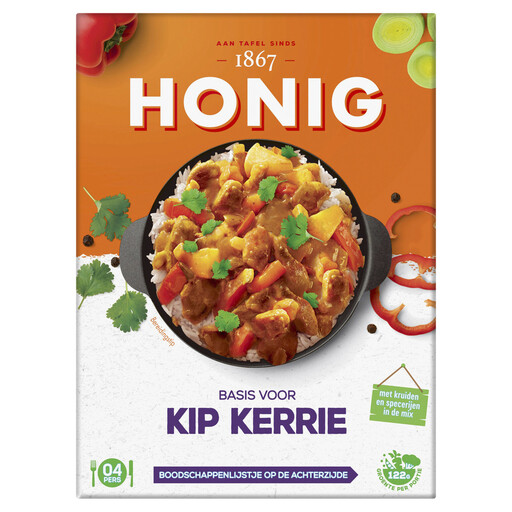
Why this fits the profile: The mix is designed for 3 to 4 people and has a stated preparation time of around 20 minutes. You add your own rice, chicken or a vegetarian alternative, and vegetables.
The packaging clearly states which fresh ingredients you still need, so you don't accidentally expect a complete ready-made meal.
Portion for 3 to 4 people; can be prepared with chicken or vegetarian chicken pieces. Contains milk, soya, wheat and other listed allergens.
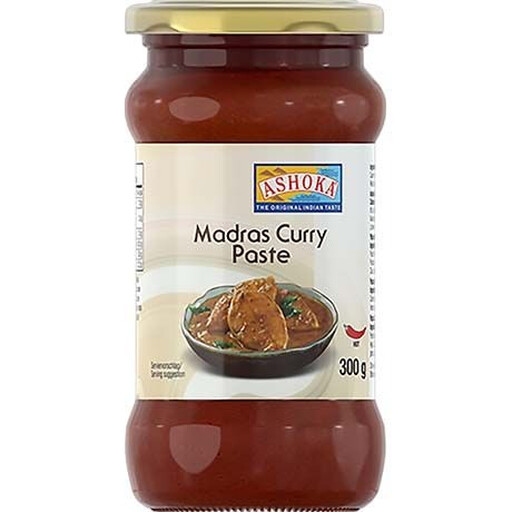
Why this fits the profile: This Madras curry paste is described as suitable for curries, marinades and grilled dishes. The flavour base includes chilli, coriander, cumin, turmeric, garlic and ginger.
By choosing the amount of coconut milk, vegetables or protein source yourself, you have more control over heat level and portion size than with a fixed sauce.
300 g jar; according to the available product information, suitable for vegetarians and free from the 14 major EU allergens.
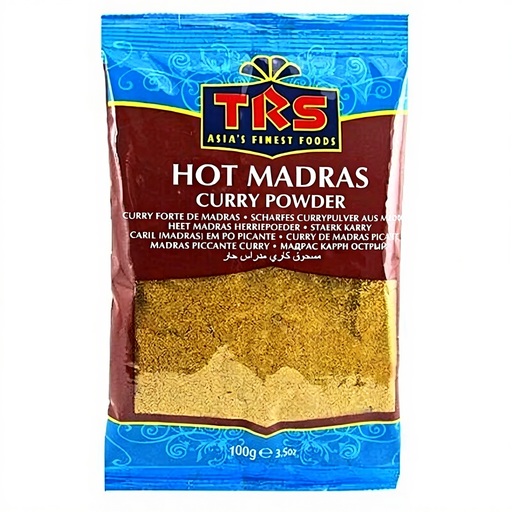
Why this fits the profile: Curry cooks who regularly switch between stews, marinades and sauces can flexibly dose and store a dry spice product.
You decide the strength yourself and don't have to open a large jar of sauce for just one dish. Do check the mention of mustard as an allergen.
100 g dry mix with coriander, turmeric, chilli, cumin and other spices; according to the product information, suitable for vegetarians and vegans.
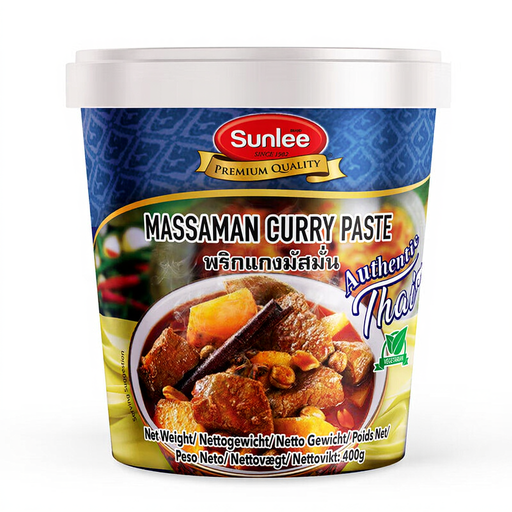
Why this fits the profile: The product description states this Massaman curry paste is suitable for preparation with coconut milk, vegetables, tofu or plant-based protein sources.
The product information gives a clear plant-based application, but also mentions soya. So always check the current label if you have allergies.
Large 400 g jar; suitable for curries, stews, marinades and soups. Contains chilli, lemongrass, garlic, galangal and spices.
We've put together a full, up-to-date list of products that fully meet these strict selection criteria and current European safety regulations.
A mild korma curry or a curry mix with clear cooking instructions is often practical. You need to weigh fewer ingredients and can adjust the heat level with extra coconut milk, yoghurt or vegetables. Do check whether milk, soya or other allergens are in the mix.
Use a curry sauce or curry paste and add rice, vegetables and a protein source. A sauce can usually be heated up directly. With a paste, you first fry the base briefly and then add coconut milk or another liquid. Always follow the instructions on the packet.
The shelf life varies by product. Store an opened sauce or paste according to the label, usually sealed and refrigerated. Pay attention to the stated period after opening and don't use the product if the packaging is damaged or the smell, colour or texture has clearly changed.
