
Vandaag of morgen in huis

Kwaliteit gegarandeerd

Welkomstaanbiedingen ontgrendelen: GRATIS bezorging | Tot 80% korting | Gratis 30 dagen JoyPlus-proefperiode
Download de app
Are you looking to buy crisps for a drinks party, film night or get-together? The choice might seem straightforward, but packaging can be misleading. A large bag doesn't always mean lots of portions, and a term like "oven baked" on its own tells you nothing about the overall nutritional profile. Even unusual flavours can contain ingredients you might want to know about beforehand.
With this practical buying guide, you can compare crisps, portion size, cooking method, flavour and allergens without relying solely on marketing claims.
According to product information from several brands, oven-baked crisps contain less fat than comparable fried varieties. That doesn't automatically mean all nutritional values are lower. For example, Lay's Oven Baked Paprika has 13g of fat and 440 kcal per 100g, while the carbohydrate content is 72g per 100g. So always look at the full nutritional table rather than just one claim on the front of the pack.
A 62g or 70g pack can be handy for individual snacking. For a gathering with several people, a bag or tube of 150g to 200g is more practical. Also check the number of portions stated. Croky Bolognese in a 200g pack, for instance, lists a portion size of 30g and around six to seven portions.
Paprika crisps, barbecue crisps and crisps with unusual flavours often contain spice blends, milk derivatives, soya or gluten. A product with pesto, for example, contains milk and gluten; Pringles Hot Mexican Chili & Lime lists milk and wheat as allergens. Always read the current packaging. Product information and ingredients can change.
With oven-baked crisps, potato flakes or potato products are cooked in the oven. Lay's Oven Baked Paprika, Barbecue and Mediterranean Herbs state 50% less fat than regular crisps according to Lay's product information. These are verifiable product specifications, not a general health claim. The varieties still contain salt, carbohydrates and calories.
Traditional crisps are typically fried in oil. Lay's BBQ Chips in a 200g pack lists 28g of fat and 507 kcal per 100g. A fried variety can be appealing if you're after a classic, full crunch. So compare the cooking method against your own preference, rather than automatically choosing one method.
Use the values per 100g to compare products fairly. Pay particular attention to:
A small pack naturally contains fewer total calories, but the value per 100g remains the better basis for comparison.
Check whether the crisps contain potatoes, potato flakes or potato powder. With formed crisps, such as Pringles, dehydrated potatoes are combined with flour, rice flour and seasonings, among other ingredients. This means the texture differs from crunchy potato crisps made from whole slices.
Also look out for statements such as contains milk, contains soya, contains wheat or may contain traces of. With international crisps, the packaging may be in a different language or have a different recipe. The product page provides useful information, but the packaging remains the definitive source for the current ingredients and best-before date.
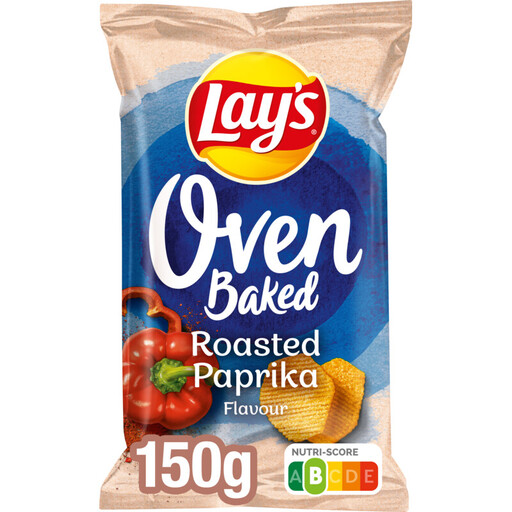
Why this suits the profile: A familiar paprika flavour in a 150g pack, suitable for several snacking occasions or for sharing.
The product information lists both the cooking method and the nutritional values, so you can verify "oven baked" rather than relying solely on the front of the pack.
13g fat and 440 kcal per 100g; 5 to 6 portions according to the product description. Contains milk.
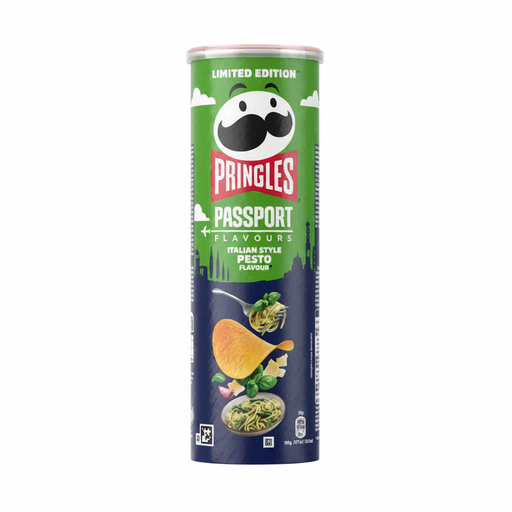
Why this suits the profile: The stacked shape and pesto flavour offer a different experience for guests or fans of international crisps.
The product information explicitly lists milk, gluten and wheat. This means the flavour choice cannot be separated from allergen checking.
165g in a tube; 30g fat, 522 kcal and 0.6g salt per 100g.
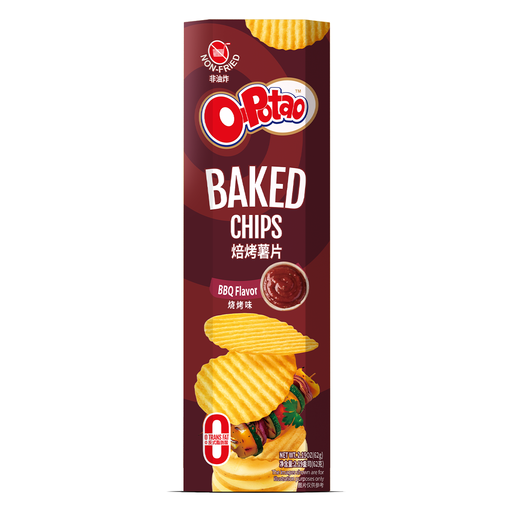
Why this suits the profile: The small size is practical for lunch, on the go, or a single portion without opening a large bag.
The portion is clearly 62g and the product description mentions a baked cooking method. So you don't have to use a large pack as your portion guide.
24g fat and 502 kcal per 100g; BBQ flavour with mention of possible traces of soya and milk.
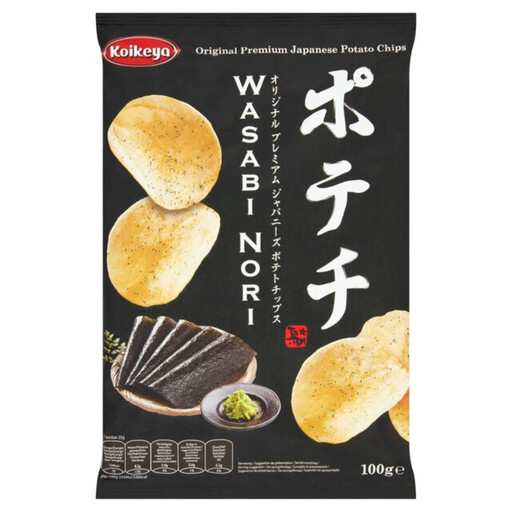
Why this suits the profile: Wasabi and nori offer a distinctive alternative to plain crisps or paprika crisps for a drinks party.
The international flavour is clearly described and the allergen information lists wheat and soya. Do check the current packaging when purchasing.
100g pack; wasabi-nori flavour; 536 kcal and 32.6g fat per 100g.
We've put together a full, up-to-date list of products that fully meet these strict selection criteria and current European safety regulations.
For a drinks party, packs of around 150g to 200g are practical, especially when sharing with several people. You could choose two flavours, such as paprika and barbecue, alongside a variety with a different profile. Tubes are easy to set down; bags often take up less storage space.
That depends on what matters to you. According to product information, oven-baked varieties can contain less fat than regular crisps, but they may be relatively high in carbohydrates or sugar. Compare the table per 100g and also pay attention to salt, portion size and allergens.
Store crisps in a cool, dry place away from direct sunlight and moisture. Seal a bag as tightly as possible. A tube can be resealed with its lid. Products like the small Yan Jin Pu Zi pack are especially handy when you want to eat the crisps straight away and don't need to store them after opening.
