
当日/次日达

品质保障

开启新人专享福利: 全场免邮 | 低至 2 折 | 免费试用 30 天 JoyPlus 会员
下载 Joybuy
Buying craft beer online can sometimes feel like navigating a jungle. Hundreds of bottles and cans scream for your attention with flashy marketing jargon. The result? You buy an expensive beer that disappoints or is completely wrong for the occasion. Before you click another random beer pack into your cart, it's wise to consider a few common pitfalls. This way, you'll avoid disappointment and find a beer that truly suits your taste.
The world of craft beer is fantastic, but it's also filled with marketing that obscures more than it clarifies. These are the two stumbling blocks that many beer lovers encounter.
You don't need to be a beer sommelier to avoid these pitfalls. By paying attention to three concrete specifications, you can make an informed choice.
Don't be swayed by poetic descriptions; look at the beer style. This is the most reliable indicator of its taste.
The origin says a lot about the brewing tradition. Belgian beer is known for its yeast-driven, complex, and often heavier styles. Asian beer, on the other hand, often focuses on refinement and a crisp, refreshing profile that pairs well with food.
The ingredients are just as important. The basics are water, malt, hops, and yeast. But the details make the difference. Was only barley malt used, or also wheat and oats for a creamier mouthfeel, as in Tripel Karmeliet? Have extra spices or fruits, like yuzu, been added? These details are often listed right on the label or in the product description.
Packaging is more than just aesthetics. Cans protect beer from light and oxygen better than bottles, which keeps the flavour fresher for longer. Volume is a practical consideration. Want to try something new? Choose a single bottle. Organising a gift or a tasting? A beer pack is a great option. For a party or to stock up on your favourite beer, a tray of 6 or 24 is often more economical.
To help you get started, we've highlighted a few popular choices and matched them with different preferences.
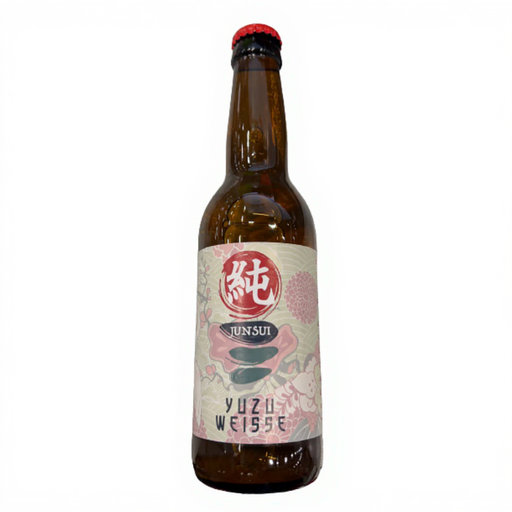
Why This Fits Their Persona: Perfect for those who look beyond standard lagers and are open to unique flavours. This beer combines a familiar Weisse style with the fresh, citrusy kick of the Japanese yuzu fruit.
The flavour is specific (wheat beer with yuzu), not vague. You know exactly what unique flavour combination to expect, minimising the risk of disappointment from ambiguous marketing.
A refreshing and slightly tart profile. Combines a classic beer style with a surprising Asian ingredient.
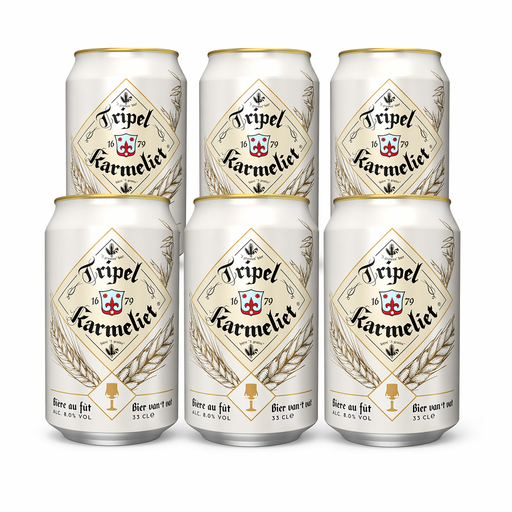
Why This Fits Their Persona: For the drinker who trusts in rich tradition and a complex, yet balanced flavour profile. This is an icon among world beers and a safe, but highly appreciated choice.
You're not buying an unknown experiment, but a proven classic. The chance of a style mismatch is low, as the taste of a Tripel Karmeliet is widely known and appreciated.
Brewed with three grains (barley, wheat, and oats) for an exceptionally creamy and full-bodied taste. Complex yet approachable.
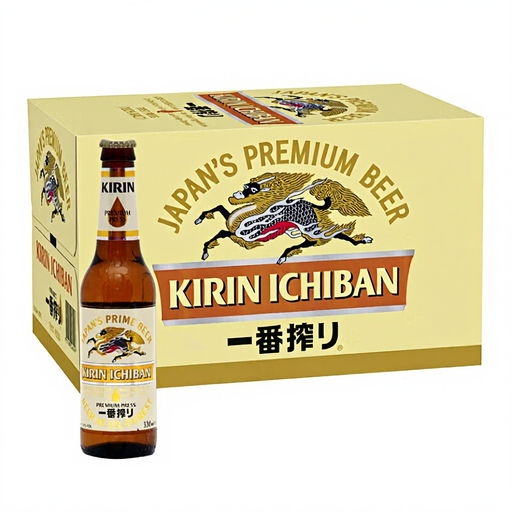
Why This Fits Their Persona: Ideal for those who want a reliable, refreshing beer on hand for any occasion. A case of 24 offers convenience and value for social gatherings, meals, or parties.
This is a crisp Japanese lager. The style is clear and the taste is consistent. You're buying a large quantity of a versatile beer, which minimises the chance of a "wrong choice" for a specific moment.
According to the brewer, only the first press of the wort is used ('Ichiban Shibori'), which ensures an extra smooth and pure taste. A refined thirst-quencher.
We've compiled a complete and up-to-date overview of products that meet these strict selection criteria.
Most craft beers are best stored upright in a cool, dark place. A cellar or a cool cupboard is ideal. Storing them upright keeps any yeast sediment at the bottom and minimises contact with the air under the cap. Avoid large temperature fluctuations and direct sunlight, as these are detrimental to the flavour.
The core difference lies in the ingredients that dominate the flavour. For an IPA, it's the hops, which create a bitter and aromatic experience (think citrus or floral). For a Tripel, the malt and yeast contributions are more dominant. This results in a fuller, sweeter, and often spicy flavour with a higher alcohol content.
No, that's a persistent myth. Modern cans have an inner lining, so the beer never touches the metal. In fact, a can offers two major advantages: it's 100% light-proof and airtight. Light and oxygen are beer's greatest enemies. Therefore, a can often protects the flavour better than a bottle.
