
Vandaag of morgen in huis

Kwaliteit gegarandeerd

Welkomstaanbiedingen ontgrendelen: GRATIS bezorging | Tot 80% korting | Gratis 30 dagen JoyPlus-proefperiode
Download de app
Buying crackers might seem straightforward – until you’re standing in front of a shelf or browsing an online range with dozens of varieties. Are you after salty crackers for drinks, rice crackers to accompany an Asian meal, or individually wrapped crackers for on the go? In that case, small differences in ingredients, portion size and flavour really matter.
Pay particular attention to three common pitfalls:
The base largely determines how a cracker tastes and breaks. Wheat flour is common in salty crackers, saltines and snack crackers. Rice or tapioca flour more often creates a light, crispy texture, as with rice crackers, prawn crackers and kroepoek.
For drinks, small, sturdy crackers work well with cheese and dip. For soup or salad, a more neutral cracker is often a better fit. If you’re looking for Asian snacks, look out for flavourings such as prawn, squid, seaweed, spring onion or salted egg yolk.
The nutritional values on the label are usually given per 100 grams. That makes comparison easier, but a portion can be much smaller in practice. For example, TUC Original states 1.7 grams of salt per 100 grams according to the product information, while Conimex Prawn Crackers Satay lists 2.4 grams of salt per 100 grams. The flavour and intended use are different, but the difference matters if you’re serving multiple portions.
Also consider the format:
Crackers often contain gluten from wheat or barley. Other common allergens include milk, soya, egg, sesame, fish and shellfish. With prawn crackers and kroepoek, checking is especially important: NongShim Shrimp Cracker lists prawn, fish, soya and gluten among its ingredients. Conimex Prawn Crackers Satay contains prawn, milk and soya according to the product information.
Always check the packaging before consumption. The information on a website may differ from a later updated pack. Store crackers in a cool, dry place after opening, away from moisture and direct sunlight. Seal the pack well to keep the crunchy texture for longer.
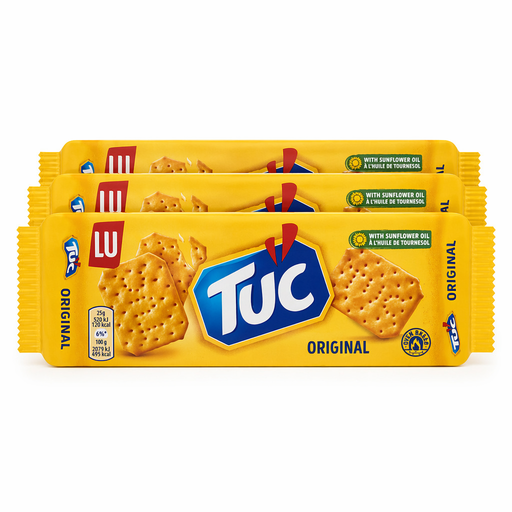
Why this fits the profile: A familiar choice if you’re after salty crackers for a party, drinks or the store cupboard. The three packs are practical for multiple occasions.
The pack states 3 x 100 grams and clear allergen information. This makes the contents easier to plan than with one large bag that’s opened repeatedly.
Oven-baked, light texture and 1.7 grams of salt per 100 grams according to the product information.
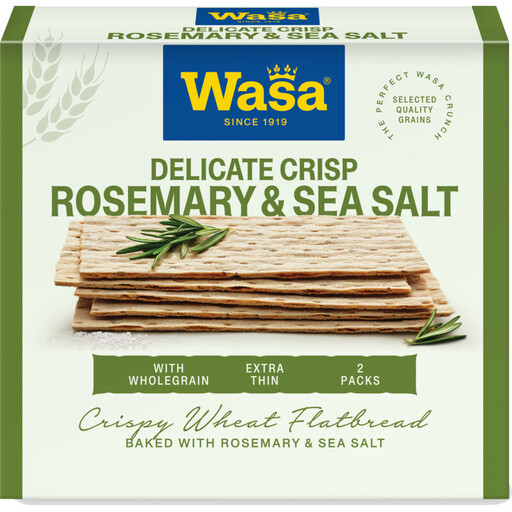
Why this fits the profile: Ideal if you want a thin, crispy cracker with a pronounced rosemary and sea salt flavour for toppings, cheese or dip.
The product information mentions 48% wholemeal wheat flour and 10% fibre. Check the current packaging yourself if these features are decisive for your purchase.
Extra thin format, rosemary as a flavouring and 190 grams of contents for serving or sharing.
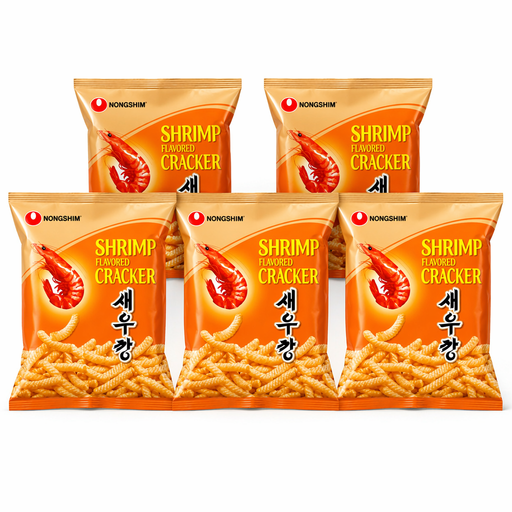
Why this fits the profile: For fans of Asian crackers who want a seafood flavour and a ridged, fried texture. The five packs are suitable for sharing or opening at different times.
The contents and country of production are stated. If you have allergies, you can take the explicit mention of prawn, fish, soya and gluten into account beforehand.
Five bags of 75 grams, 8.5% prawn according to the ingredients list and a distinctive Korean snack style.
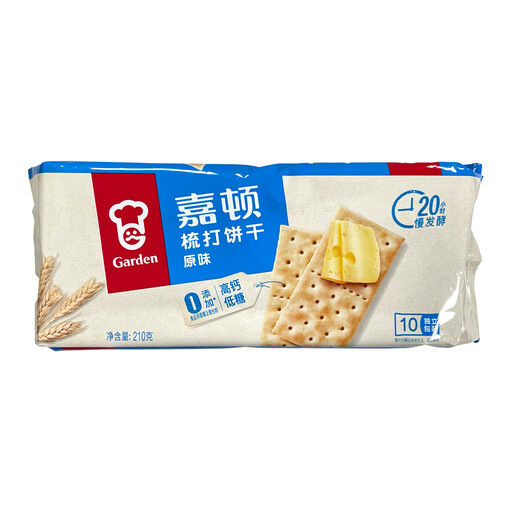
Why this fits the profile: A mild, neutral base for cheese, soup, salad or crackers with dip. Handy when different guests want to make their own combination.
According to the product description, the flavour is lightly salted and neutral. This means the cracker is less likely to overpower savoury toppings or a dip.
210 grams of contents, 1.7 grams of salt per 100 grams and suitable for serving straight away.
We’ve put together a full, up-to-date list of products that fully meet these strict selection criteria and current European safety regulations.
For drinks, salty crackers, mini crackers and neutral saltines work well. Choose a size that’s sturdy enough for cheese, tapenade or dip. Individually wrapped packs are handy when you want to serve several varieties without opening everything at once.
Store opened crackers in a cool, dry place, seal the pack well and avoid damp spots such as next to a hob or kettle. If crackers have gone soft or the pack is damaged, check the smell, texture and best-before information before eating them.
Check the ingredients and allergens for shellfish, fish or molluscs. This applies to prawn crackers, kroepoek and crackers with squid flavour. The packaging contains the most up-to-date information; don’t rely solely on the online product description if you have a food allergy.
