
Vandaag of morgen in huis

Kwaliteit gegarandeerd

Welkomstaanbiedingen ontgrendelen: GRATIS bezorging | Tot 80% korting | Gratis 30 dagen JoyPlus-proefperiode
Download de app
Are you looking to buy crackers for breakfast, lunch, a drinks party or a quick snack in between? The range stretches from salty crackers and wholemeal crackers to rice crackers, mini crackers and organic varieties. However, the packaging can sometimes give a misleading impression. A product labelled “high in fibre”, “low-carb” or “wholemeal” doesn’t automatically suit your eating occasion or preferences.
As a Joybuy Product Recommendation Officer, I filter the key product information so you can tell the difference between marketing claims and verifiable facts. Below, you’ll find out what to look for when it comes to ingredients, nutritional values, portion sizes and allergens.
The term healthy crackers on its own doesn’t tell you much. Always check the nutritional information per 100 grams. Two products can both be presented as a light snack, yet differ significantly in salt, fat, sugar, carbohydrates and fibre.
For example, TUC Original contains 1.7 grams of salt and 2.4 grams of fibre per 100 grams, according to the product information. Wasa High-Fiber Crackers list 26 grams of dietary fibre and 1.1 grams of salt per 100 grams. These are verifiable differences that are far more useful than a general claim on the front of the pack.
When looking at low-carb crackers, many shoppers focus only on carbohydrates. But fat, protein, salt and portion size are also important. Leev Organic Low-Carb Tomato Oregano Crackers list 10.9 grams of carbohydrates and 19.1 grams of fibre per 100 grams, but also 31 grams of fat.
According to the product information, these crackers are marketed as organic and low-carb. That doesn’t mean they suit every eating style or portion in the same way. So always check the label and follow the portion guidance on the packaging.
A 250 or 300 gram bag might seem convenient, but crackers lose their crunch if the pack is left open too often. Individual sachets or resealable packs can be more practical for work, school or a drinks party.
Also pay attention to the contents: TUC Original is available as a 100 gram pack and as a multipack of 3 x 100 grams. Lu Vitalu Multiseed Crackers contain 14 pieces, split across two resealable bags, according to the product description. So compare the price per 100 grams, not just the price of the whole pack.
First, choose the base that suits your needs:
Always use the same unit of measurement. Pay particular attention to:
Brand claims about nutritional properties are not general advice. According to the product information for Bolletje, the Vegetable Crackers With Spinach contain 50% vegetables, 38 grams of carbohydrates, 11 grams of fibre and 28 grams of protein per 100 grams. Always check the current packaging, as product compositions can change.
In the Netherlands and the European Union, major allergens must be clearly stated. Check for:
Mitsuba Sea Salt Crackers are described as gluten-free rice crackers according to the product information, and list none of the 14 main EU allergens. The ingredients list includes brown rice, rice, chia seeds and sea salt. If you have an allergy, it remains important to always check the current label.
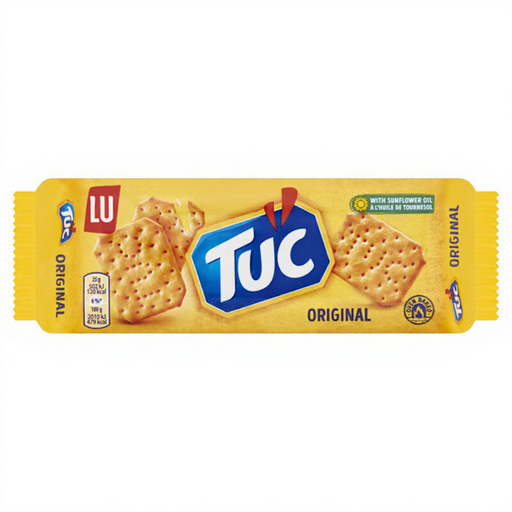
Why this fits: A familiar choice for everyday snacking, a simple lunch or an informal drinks party.
The packaging states 3 portions per pack. That makes it easier to divide the amount in advance.
Oven-baked, 100 grams per pack and 1.7 grams of salt per 100 grams according to the product information.
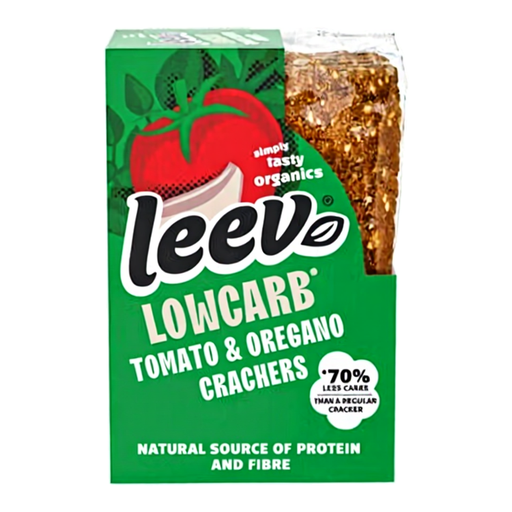
Why this fits: For those who want a herby flavour and are mindful of carbohydrates and fibre.
The table makes it clear that low-carb is not the same as low-fat. You can therefore weigh up your portion more consciously.
According to the product information, 10.9 grams of carbohydrates and 19.1 grams of fibre per 100 grams.

Why this fits: Suitable for shoppers looking for wholemeal rye, grains and a high fibre content all in one product.
The ingredients and nutritional values are clearly stated, so you can compare “high in fibre” with other wholemeal crackers.
26 grams of fibre and 333 kcal per 100 grams according to the product information; made from wholemeal rye flour and wheat flour.
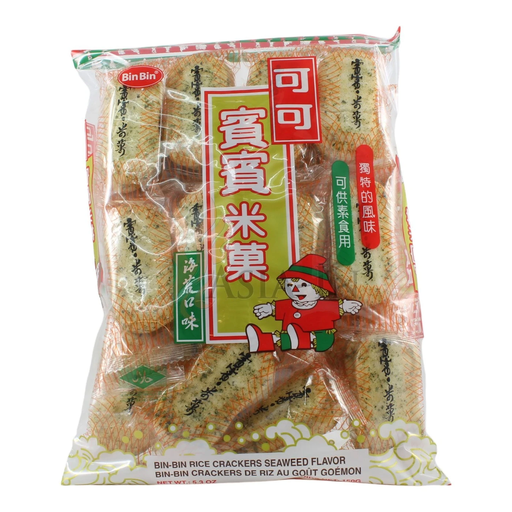
Why this fits: An option for those who want rice crackers with a sweet-savoury seaweed flavour to serve with tea or at a drinks party.
The ingredients list rice, palm oil, sugar and flavour enhancers. So you know exactly what you’re buying, rather than just relying on the word “seaweed”.
150 grams per pack, 0.6 grams of sea salt according to the product information, and ready to serve straight away.
Browse a current range of products that match these practical selection criteria and comply with current EU food information regulations.
For a drinks party, mini crackers, crackers with sea salt, paprika or seaweed flavour are practical because you can serve them straight away. Look for a pack that seals well or choose several small sachets. TUC Smoky Bacon Mini Crackers and Lu Mini Cracker Olive & Oregano are examples of varieties that, according to the product description, are intended for aperitif moments.
No. Check the ingredients list and the nutritional information table. A wholemeal cracker can be relatively low in fibre, while a product containing rye, bran, oats or seeds may be higher. Wasa High-Fiber Crackers list 26 grams of fibre per 100 grams; use values like these to compare products objectively.
Store crackers in a cool, dry place, away from moisture and heat. Seal the pack tightly or use an airtight container. Check the best-before date and the current allergen information on the packaging with every purchase. This way, your crackers stay crunchier for longer, and you avoid having to throw away a large pack unnecessarily.
