
Vandaag of morgen in huis

Kwaliteit gegarandeerd

Welkomstaanbiedingen ontgrendelen: GRATIS bezorging | Tot 80% korting | Gratis 30 dagen JoyPlus-proefperiode
Download de app
If you’re looking to buy crackers online, you’ll quickly come across dozens of flavours, sizes and pack formats. A savoury cracker for drinks calls for something different to a wholegrain cracker for breakfast or lunch. Terms like “light”, “high in fibre” or “artisan” don’t always tell you enough about what’s actually inside.
With this practical guide, you can focus on the information that really matters: ingredients, nutritional values, allergens, size and pack weight.
A family-size bag might look appealing, but first check the net weight and number of servings. A 100g pack containing several smaller bags can be more convenient than a large bag that goes soft quickly once opened. Individual portions are also ideal for taking on the go, sharing, or serving in controlled amounts at a drinks party.
Look at the ingredients list to see which grain comes first. According to the product information, Wasa Lightweight is made from 100% wholegrain rye flour. Other multigrain crackers may combine wheat, oats, rye and barley, with wholegrain flour making up only part of the recipe.
Also pay attention to the difference between wholegrain crackers, multigrain crackers and ordinary white crackers. The name on the front gives you an initial clue; the ingredients list and nutrition table provide the verifiable facts.
Bacon, sea salt, seaweed, milk and seafood flavours are often made using flavourings, herbs or flavour enhancers. That’s not necessarily a problem, but it does need to suit your preferences. With savoury crackers, always check the salt content per 100g and read the allergen information carefully.
With international products, the recipe may also differ from what you’re used to. So don’t rely solely on product photos or marketing copy; check the label when your order arrives.
For anyone with a food allergy or intolerance, the label is what matters. Many standard crackers contain gluten, wheat, rye or barley. Some varieties also contain milk, soya, egg, sesame or shellfish.
For gluten-free crackers, you need to check that the product is actually labelled as gluten-free. According to the product information, Chio Heart Salt Bars are described as gluten-free and, based on the listed ingredients, contain none of the allergens mentioned. Always check the current packaging, especially for cross-contamination warnings.
Compare products on the same basis: energy, fat, saturated fat, carbohydrates, sugars, fibre, protein and salt per 100g. This stops a small portion from looking more favourable than a comparable product.
As a guide from the available product information:
These figures help with comparison, but they don’t on their own tell you which cracker suits your eating occasion.
For crackers with dips, sturdy, crunchy varieties are practical. Thin crackers work well with light toppings, while mini crackers are ideal for sharing platters and portion-controlled servings. Rice crackers, such as varieties with squid or salted egg yolk flavour, offer a different texture to wheat or rye crackers.
Pay attention to the closure and storage instructions. Store opened crackers in a cool, dry place, tightly sealed and away from moisture. A cracker that goes soft is rarely useful for a store cupboard, lunchbox or party.
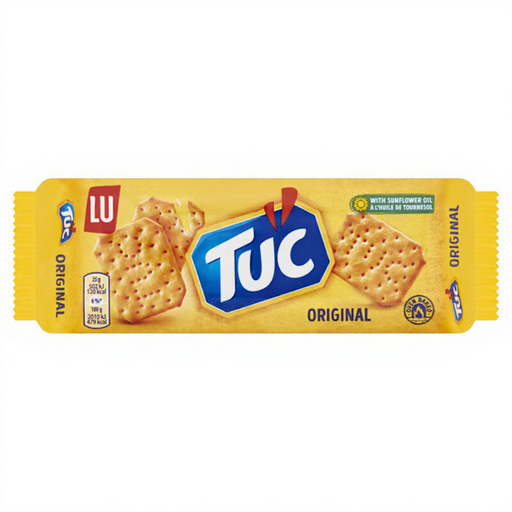
Why this suits the profile: A familiar, savoury cracker for a first purchase, a drinks party or a snack at home. The pack contains 3 x 30g.
The portion size makes the weight and distribution clear. The product information lists wheat, barley, egg and sulphites as allergens.
Oven-baked, light texture; 482 kcal and 1.7g salt per 100g according to the product information.

Why this suits the profile: Ideal for anyone looking for a substantial supply for breakfast and lunch, and who specifically pays attention to wholegrain rye and fibre.
The ingredients list 100% wholegrain rye flour, making the distinction from an ordinary multigrain cracker verifiable.
300g contents, 20% fibre according to the product information and 338 kcal per 100g. Contains gluten and milk.
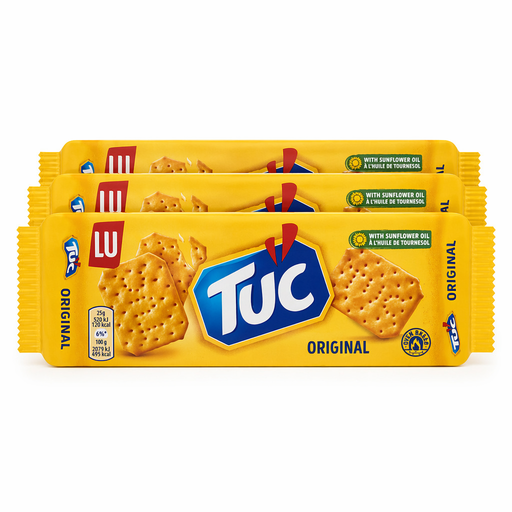
Why this suits the profile: A larger supply for families, the office, parties or regular cracker consumption at drinks occasions.
The three 100g packs are easier to portion out than one large opened bag. Check the allergens on the label.
300g total, oven-baked and suitable for serving loose. The product information states 1.7g salt per 100g.
For drinks, mini crackers and Wasa Delicate Crackers Sea Salt are also practical. If you’re after a more distinctive flavour, you could look at rosemary, olive and oregano, seaweed or rice crackers with seafood flavour. With that last category, checking for shellfish, fish and other allergens is especially important.
We’ve put together a full, up-to-date list of products that fully meet these strict selection criteria and comply with current European safety regulations.
That depends on your toppings and preference. Wholegrain crackers and rye crackers provide a sturdier base for cheese, hummus or savoury spreads. Light, airy crackers are suitable if you’re after a lighter, crunchy texture. Above all, compare fibre, salt and ingredients per 100g.
Store them in a cool, dry place away from direct sunlight. Seal the pack tightly after every use. With a large pack, smaller airtight containers can help keep moisture out. Check the best-before information on the packaging and don’t use any product where the packaging is damaged.
Yes, there are gluten-free options, but always check the current ingredients list and allergen information. Not every rice cracker is automatically gluten-free: flavourings, soy sauce or other additions can contain wheat. When in doubt, the label is what counts.
