
Vandaag of morgen in huis

Kwaliteit gegarandeerd

Welkomstaanbiedingen ontgrendelen: GRATIS bezorging | Tot 80% korting | Gratis 30 dagen JoyPlus-proefperiode
Download de app
Buying crackers and biscuits might seem straightforward, but packaging often makes comparing them harder than it needs to be. A product labelled “wholegrain”, “high in fibre” or “reduced sugar” on the front doesn’t automatically suit your eating occasion or preferences. Portion size, allergens and salt content can also vary significantly from one product to the next.
With this practical selection guide, you can compare crackers, biscuits, breakfast crackers and snack products using information you can check on the label. That way, you’ll avoid a bad buy and choose more wisely for breakfast, lunch, on the go or drinks.
Wholegrain cereals offer a different nutritional profile to plain wheat flour, but that doesn’t automatically tell you anything about the total sugar, fat or salt content. For example, Bolletje Light Whole Grain Crackers lists 15 grams of dietary fibre per 100 grams, while Belvita Wholegrain Cookies contains 22 grams of sugar per 100 grams. Both products contain wholegrain cereals, but they are not the same.
Always look at the nutritional values per 100 grams rather than just the front of the pack.
A family pack might seem good value, but an opened pack can go soft more quickly. Portion packs are practical for school, work or on the go. Tuc Original Crackers (100 g), for instance, is divided into three portions of 30 grams. Belvita Milk & Cereals Biscuits contains six packs of four biscuits.
For a household, a large pack is handy. For controlled portions to take with you or store, smaller packs may be a better fit.
Always check the full ingredients list and allergen information. With gluten-free biscuits, it’s important to see how the product is officially described and whether there are warnings about possible traces on the packaging. The product information for Verkade Oaties mentions gluten-free oats but also includes an allergen warning for oats. So if you have an allergy or intolerance, always use the current label as your reference.
“Sugar-free” also doesn’t mean a product contains no sweeteners. Panpan Low GI Sugar-Free Oat High Fiber Biscuits, for example, lists maltitol (E965) and warns that the product contains sweeteners.
For wholegrain crackers, multigrain crackers and high-fibre crackers, start by looking at the order of ingredients. Ingredients are usually listed in descending order by quantity. “Wholegrain” or “wholegrain wheat” at the top of the list tells you more than just a picture of grains on the pack.
A few examples from the product information:
More fibre can be a reason to choose a product, but it’s still important to consider portions and personal preferences.
For savoury crackers, sweet biscuits and crackers for drinks, flavourings are often key. So compare:
Tuc Original Crackers contains 1.7 grams of salt per 100 grams according to the product information. Lu Mini Cracker Natural lists 1.8 grams of salt per 100 grams. Wasa Delicate Crackers Sea Salt contains 1.8 grams of salt per 100 grams. These products are therefore best suited to those who enjoy a savoury flavour, not shoppers looking for a lower-salt option.
Wheat, gluten-containing cereals, milk, egg, soya, sesame and nuts are common in crackers and biscuits. Read the allergen information even if you’ve bought a product before, because recipes and packaging can change.
Also pay attention to the format:
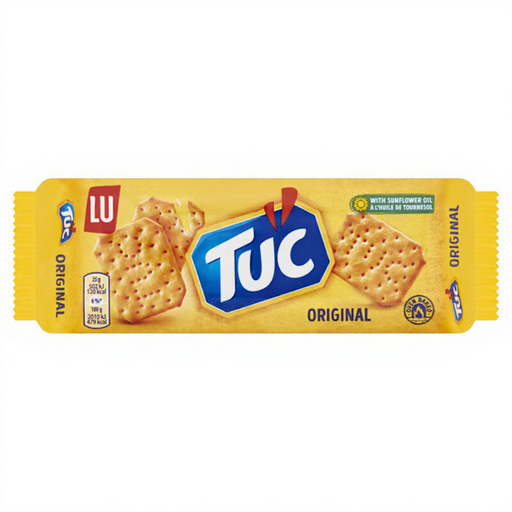
Why this fits the profile: A familiar savoury cracker for drinks, a snack or an evening at home. The pack contains three portions of 30 grams.
The portion division makes it easier to take a small amount with you. Do check the relatively high salt content of 1.7 grams per 100 grams.
Oven-baked, light texture and three separate portions. Contains wheat, egg and sulphites.

Why this fits the profile: Ideal for anyone looking for a thin, crunchy base made with wholegrain rye for sweet or savoury toppings at breakfast and lunch.
The grain base is clearly stated as 100% wholegrain rye. The product does contain milk and gluten; check the label if you have allergies.
100% wholegrain rye, 20% fibre according to the product information and just 2 grams of fat per 100 grams.
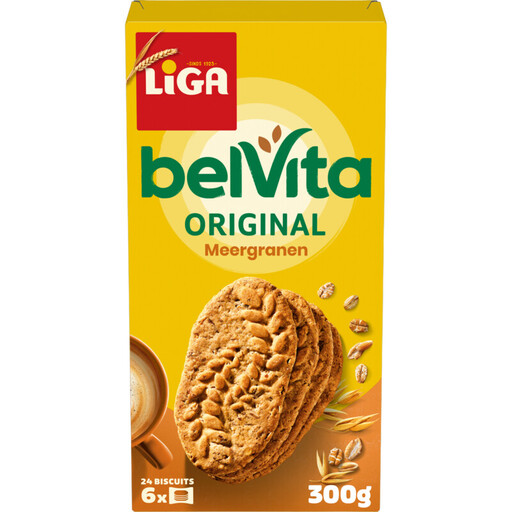
Why this fits the profile: Handy for anyone who wants to take breakfast crackers or biscuits in fixed portions on the go. Each pack contains six sachets of four biscuits.
The portions help with storage and taking them with you. Do look beyond “wholegrain”: the product information lists 22 grams of sugar per 100 grams.
Five types of grains, 6.2 grams of fibre per 100 grams and a portion size of four biscuits.
We’ve put together a full, up-to-date list of products that fully meet these strict selection criteria and comply with current European safety regulations.
That depends on your toppings and preference. For a sturdy base, you could look at wholegrain rye, wheat or multigrain crackers. Check the ingredients list, fibre, salt and size. Wasa Lightweight and Bolletje Light Whole Grain are examples with a clear wholegrain positioning.
Store them in a cool, dry place away from heat, sunlight and moisture. Seal the pack well after opening. Individual portions or resealable packs limit contact with air and moisture. Always follow the storage instructions on the pack.
Not automatically. Fibre content is just one part of the equation. Also look at the ingredients, energy, salt, sugar, allergens and portion size. A product can be high in fibre and still not suit your taste or the occasion you have in mind.
