
Vandaag of morgen in huis

Kwaliteit gegarandeerd

Welkomstaanbiedingen ontgrendelen: GRATIS bezorging | Tot 80% korting | Gratis 30 dagen JoyPlus-proefperiode
Download de app
If you’re looking to buy crackers and biscuits, you’ll soon come across dozens of packs making claims such as wholegrain, high in fibre, multigrain or gluten-free. But eye-catching packaging doesn’t always tell you enough about the ingredients, portion size or allergens. A good choice starts with checking the label and thinking about when you’ll enjoy them.
As a Joybuy Product Recommendation Officer, I review product information for practical details: ingredients, nutritional values, packaging and suitability for different households.
A product can contain several grains and still be relatively high in sugar, salt or refined flour. So check the ingredients list. If wholemeal flour or wholegrain rye is near the top, it makes up a significant part of the product. For multigrain crackers, check which grains are actually included.
The best way to assess a “high in fibre” claim is to check the amount per 100 grams. For example, the product information lists:
This makes it easy to see the difference between wholegrain breakfast crackers and sweet biscuits to enjoy with a cup of coffee.
A multipack isn’t automatically good value if it stays open for a long time. A pack of 300 to 375 grams can be handy for a family. For a one-person household, smaller portions or individually wrapped breakfast biscuits may be more practical. Check whether the packaging is resealable, too, and store crackers and biscuits in a dry, airtight place.
Always check the full ingredients list, especially if you have allergies or specific dietary preferences. Many wholegrain crackers, crispbreads and rusk varieties contain wheat, rye, barley or other gluten-containing grains. Milk, eggs, soya, sesame and nuts are also common ingredients.
Watch out for conflicting or vague claims. Gluten-free biscuits should be clearly labelled as such in the product information and on the packaging. If in doubt, check the current packaging before ordering or eating the product. A product containing oats isn’t automatically suitable for someone who needs to avoid gluten.
Compare at least the following:
It’s also worth considering portion size. According to the product information, four Belvita Wholegrain Cookies weigh 50 grams, while one Jodekoek weighs about 18.6 grams. So the amount you eat at a time can vary considerably.
For breakfast crackers, choose plain, sturdy varieties that are suitable for toppings. Wasa Sourdough Rye and Bolletje wholegrain rusks have a different texture from thin cracottes. Mini crackers, cheese crackers and savoury snacks are easier to share with guests or serve with drinks. Bastogne biscuits, digestives or Jodekoeken are better suited to a sweet selection to enjoy with coffee.
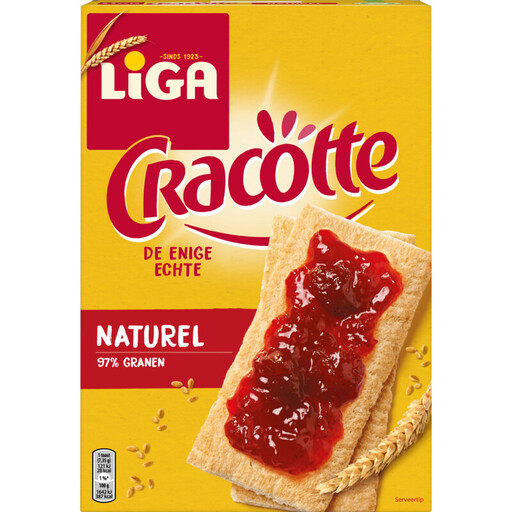
Why it suits this profile: A plain cracker for everyday use, with around 34 crackers per pack. Enjoy it with sweet or savoury toppings.
The product information clearly states the number of crackers and the main ingredient: predominantly wheat flour. This makes it easy to compare with other options.
250 grams, around 389 kcal and 2.7 grams of fat per 100 grams. Contains gluten and milk; check the label if you have allergies.

Why it suits this profile: For anyone looking for a distinctive rye and sourdough flavour at breakfast, lunch or as a simple snack.
The ingredients list identifies wholegrain rye flour as the main ingredient and gives the nutritional values per 100 grams. This makes the fibre claim easy to check.
Made with 100% wholegrain rye, according to the product information, with 19 grams of fibre and 2 grams of fat per 100 grams. Contains rye, barley and gluten.

Why it suits this profile: A hearty, high-fibre rusk for households that regularly have topped rusks for breakfast or want a crunchy base for toppings.
The product description lists wholemeal wheat flour, bran, oat flakes and seeds. This makes it clearer what the high-fibre claim is based on.
10 pieces, 10 grams of fibre, 17 grams of protein and 0.52 grams of salt per 100 grams, according to the product information. Contains gluten and sesame.
We’ve put together a complete, up-to-date list of products that meet these strict selection criteria and the relevant European safety regulations.
Keep opened packs in a cool, dry place away from direct sunlight. Seal the bag tightly or use an airtight storage container. This helps prevent moisture, loss of crunch and contamination. Always check the best-before date on the packaging. Don’t use a product if the packaging is damaged or if the contents are damp or smell unusual.
If you’re planning to order biscuits online, compare the amount in each pack first. A Bastogne multipack can be good value when you’re entertaining, while smaller packs are more convenient for school, work or travelling. For a family, a mix of wholegrain crackers, rusks and biscuits can offer more variety than several large packs of the same product.
It depends on your preferences for texture, flavour and toppings. Wasa Sourdough Rye has a distinctive rye flavour and 19 grams of fibre per 100 grams. Bolletje Light Whole Grain Crackers are thinner and contain 15 grams of fibre per 100 grams, according to the product information. Always check the allergens, particularly rye, wheat, barley and sesame.
Shelf life varies depending on the product and packaging. The date on the packaging is a guide, provided the product has been stored correctly. Crackers can soften more quickly after opening if exposed to moisture. Seal the pack straight away and check the smell, taste and texture.
A multipack may cost less per 100 grams, but only if you use the contents in time. Compare the price per 100 grams, the number of portions and the shelf life. Larger packs are practical for regular use; for the occasional biscuit with coffee, individual packs can help reduce waste.
