
Vandaag of morgen in huis

Kwaliteit gegarandeerd

Welkomstaanbiedingen ontgrendelen: GRATIS bezorging | Tot 80% korting | Gratis 30 dagen JoyPlus-proefperiode
Download de app
A conditioner can help your hair feel softer, easier to detangle and more nourished after washing. However, buying a conditioner isn’t just about picking a nice scent or an attractive bottle. A product for dry hair has different properties from a conditioner for coloured, fine or damaged hair.
Many shoppers end up paying too much for a formula that doesn’t suit their hair type. So pay attention to the usage type, the volume, the ingredients and the instructions on the packaging.
Words like “restorative”, “strengthening” and “intensely hydrating” sound promising, but they don’t always tell you how the product should actually be used. According to Syoss’s own research, the Intense Keratin formula can make hair up to 20 times more resilient than untreated hair. This is a brand claim under the conditions used by Syoss, not a guarantee for every hair type.
So always check which objective product specifications are listed: volume, suitable hair types, usage time and ingredients.
A conditioner value pack of six bottles can be cost-effective if you use it daily or regularly. For someone who only uses conditioner once or twice a week, a smaller bottle may be more practical. Also check the shelf life after opening. Some products, for example, show 6M or 12M on the packaging.
Conditioner is usually meant for the mid-lengths and ends, not directly on the scalp. Too much product at the roots can make hair feel heavy. With a leave-in conditioner, you shouldn’t rinse it out. Always read the specific usage instructions and stop if irritation occurs.
First, choose based on your main need:
Product claims about shine, repair or less frizz should be read as information from the brand. The visible result can vary depending on hair structure, washing routine and styling.
A regular hair conditioner is rinsed out after a few minutes. A leave-in conditioner stays in the hair and is usually applied sparingly to towel-dried or damp hair. According to the product description, Revlon Equave Strengthening Detangling Conditioner is a leave-in formula of 200 ml. The instruction is to distribute the product through the mid-lengths and ends and not to rinse it out.
If you prefer a classic product in the shower, choose a conditioner that clearly states it should be rinsed out.
Compare not just the price of a bottle but also the price per 100 ml. A 440 ml bottle isn’t automatically better value than a 250 ml pack. With multi-packs such as Syoss 6 x 440 ml or Andrélon 6 x 250 ml, it’s wise to check whether you’ll use the amount within the stated shelf life after opening.
Also look at the ingredients list if you want to avoid certain substances. The presence of silicones, fragrance, sulphates or allergens varies from product to product. Check the current list on the packaging, as manufacturers can change formulas.
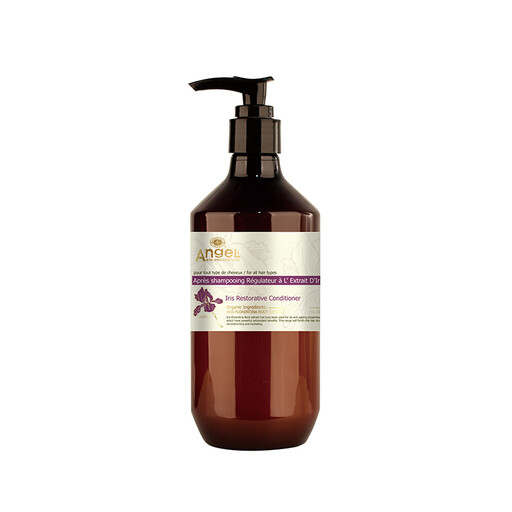
Why this fits the profile: The 400 ml pack and suitability for all hair types make this a straightforward choice for anyone looking for a first hair conditioner.
The product description states a clear volume, application method and ingredients such as glycerine, argan oil and iris extract.
400 ml volume; designed for all hair types; rinse-out formula.
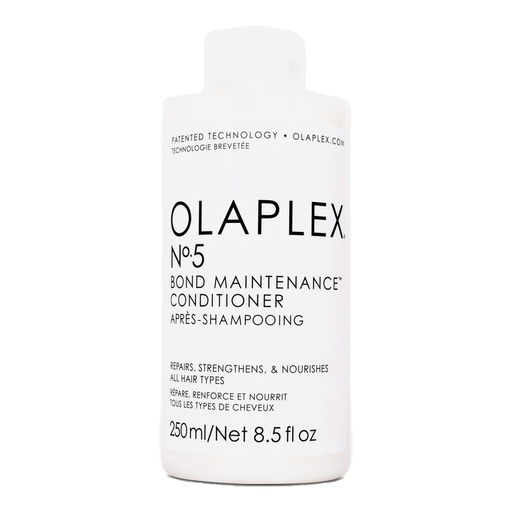
Why this fits the profile: According to the product specifications, the formula is suitable for all hair types, including bleached and coloured hair.
The product information lists volume, formula, target audience, usage and various product features rather than just general marketing language.
250 ml bottle; cream formula; according to the product specifications, vegan, paraben-free and suitable for coloured hair.
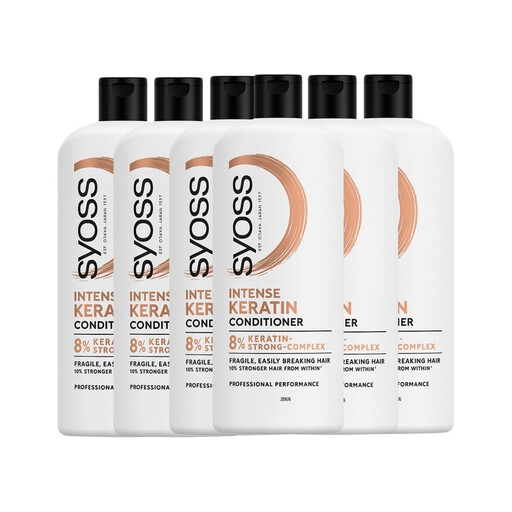
Why this fits the profile: The conditioner value pack is aimed at regular use and contains six 440 ml bottles.
The total quantity is clear upfront: 6 x 440 ml. Just check whether you’ll use this stock within the stated usage period after opening.
6 bottles of 440 ml; keratin variant; according to Syoss, designed for brittle and slightly damaged hair.
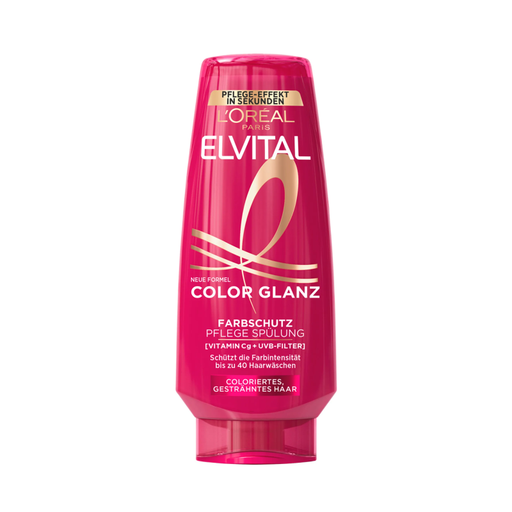
Why this fits the profile: The product description focuses on coloured hair and mentions vitamin Cg and a UVB filter.
The target audience and application for coloured hair are described concretely. The claim about colour retention for up to 40 washes comes from L’Oréal and may vary from user to user.
250 ml volume; developed for colour care; rinse out after use according to the product description.
We’ve put together a full, up-to-date list of products that fully meet these strict selection criteria and comply with current European safety regulations.
For fine hair, a lightweight formula often works better. Thick, curly or very dry hair may need a richer, more hydrating conditioner. For grey or bleached hair, a silver conditioner such as Andrelon Silver Care can fit into a specific care routine. According to the product description, this is intended for blonde, grey and highlighted hair.
That depends on your hair and how often you wash it. For dry, curly or damaged hair, using it after every wash may be suitable. For fine hair, a smaller amount may be enough. Always follow the label and pay attention to how your hair responds.
A regular conditioner is rinsed out after a short time. A leave-in conditioner stays in the hair and is usually applied sparingly to the mid-lengths and ends. Check the usage instructions, as the two product types aren’t simply interchangeable.
Look at the symbol on the packaging, for example 6M or 12M. This indicates how long the product is intended for use after opening. Store the bottle closed, in a dry place away from direct sunlight. If in doubt, check the packaging and the current product information.
