
Vandaag of morgen in huis

Kwaliteit gegarandeerd

Welkomstaanbiedingen ontgrendelen: GRATIS bezorging | Tot 80% korting | Gratis 30 dagen JoyPlus-proefperiode
Download de app
The market for collagen has grown enormously in recent years. Everywhere you look, there are tubs, sachets, and bottles promising smoother skin, stronger hair, and flexible joints. But with so much choice, it's difficult to determine which product is right for you. Many people who buy collagen unknowingly fall into marketing traps and end up with a product that doesn't meet their expectations.
As a Product Recommendation Officer at Joybuy, I see which products are popular and what questions customers have every day. In this guide, I'll help you cut through the noise and make an informed choice. We'll look at the pitfalls that cost you money and the specifications that truly matter.
Before you add a product to your cart, it's wise to be aware of a few common misconceptions and marketing tricks.
To avoid a bad purchase, focus on three concrete specifications. These will help you compare objectively and find the right product for your lifestyle.
The delivery form directly impacts ease of use and flexibility.
The origin of the collagen is an important factor. The two most common sources are bovine and fish.
An important term to look for is hydrolysed collagen. This means the large collagen proteins have been broken down into smaller, more easily absorbable particles (peptides). Virtually all high-quality supplements use this form.
As mentioned earlier, co-factors are not an unnecessary luxury.
Below is a selection of products that suit different user profiles, based on their objective specifications.
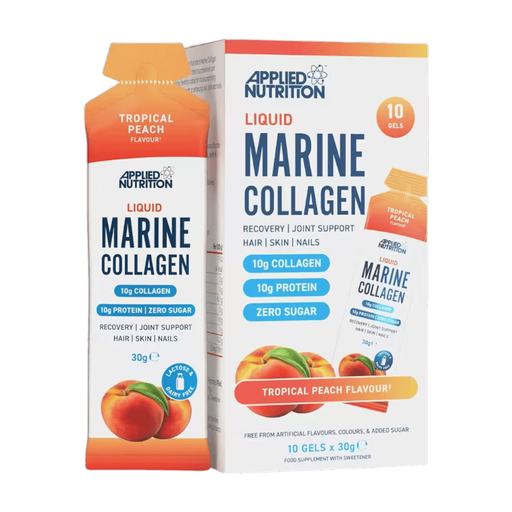
Why This Fits Their Persona: Perfect for those with a busy lifestyle who don't have time for powders and pills. This ready-to-use gel can be taken directly from the sachet, without water. Ideal for your bag, at work, or after a workout.
The dosage is clearly stated per sachet, and the source is explicitly listed as marine collagen. There's no ambiguity about what you're getting.
Ready to consume, no mixing required. The fresh citrus flavour makes it a pleasant experience without a fishy aftertaste.
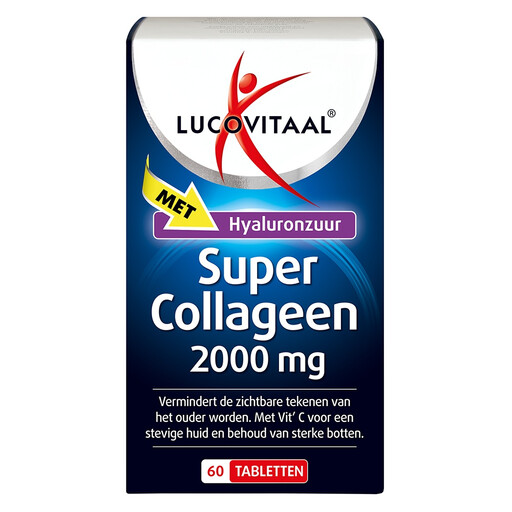
Why This Fits Their Persona: For those who want to start with collagen without paying a premium price. These tablets offer a clear, fixed dosage and are easy to take as part of a daily routine.
This product avoids the 'empty collagen' pitfall by including both vitamin C and hyaluronic acid, resulting in a more complete formula.
A complete formula in an affordable tablet form. The dosage of 2000 mg per 2 tablets is a good starting dose.
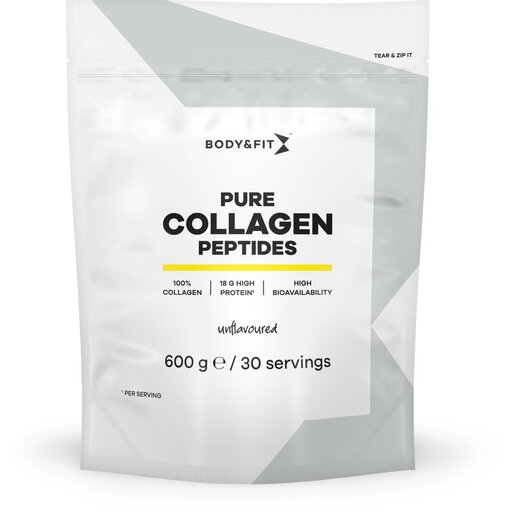
Why This Fits Their Persona: For athletes and active users who want to add collagen to their routine for muscle and joint support. This pure powder is focused on high protein intake.
This product is 100% hydrolysed collagen with no additives. It bypasses the low-dosage pitfall with a potent 20 grams of collagen (18 grams of protein) per serving.
Very high in protein and completely unflavoured, making it perfect for mixing into a post-workout shake or other drinks without affecting the taste.
We have compiled a complete, up-to-date list of products that meet these strict selection criteria.
Patience is key. Although it varies from person to person, user experiences and most studies suggest a period of 8 to 12 weeks of consistent, daily use to notice the first changes. Consistency is crucial.
Yes, you can. Hydrolysed collagen powder is generally heat-resistant and dissolves well in both hot and cold beverages. So you can easily mix it into your morning coffee or tea without losing its effectiveness.
Not necessarily 'better', but different. Marine collagen consists mainly of type I collagen, which is a key component of the skin. Bovine collagen often contains a mix of type I and III, which can offer broader support for things like skin and joints. The choice depends on your personal goals and any dietary preferences, such as avoiding fish or beef products.
