
Vandaag of morgen in huis

Kwaliteit gegarandeerd

Welkomstaanbiedingen ontgrendelen: GRATIS bezorging | Tot 80% korting | Gratis 30 dagen JoyPlus-proefperiode
Download de app
Want to buy cola zero, but unsure whether to choose cans, bottles, brands or different flavours? Many options look similar on the label. However, there are practical differences in size, caffeine content, sweeteners and shelf life after opening.
Choosing the wrong product often means paying too much for packaging that does not suit the way you use it. For example, a large multipack is less convenient if you do not drink much fizzy drink. On the other hand, small cola cans can create relatively more packaging waste when you drink several cans every day.
This buying guide helps you compare cola without sugar, sugar-free cola and zero cola based on verifiable product information.
The terms zero, light and sugar-free mainly refer to the sugar content. They do not automatically mean that a drink contains no caffeine. The ingredients list often mentions caffeine, caffeine flavouring or a similar designation.
If you want to avoid caffeine, choose a product specifically labelled caffeine-free. According to the product information, Coca-Cola Zero Sugar Caffeine Free Cola contains no caffeine. First Choice Cola Caffeine-Free Light is also described as caffeine-free.
A cola multipack containing 24 cans may seem practical for a household, but first check the amount per pack and your own consumption. 1.5-litre PET bottles are suitable for several glasses, but should be refrigerated after opening and used within the stated period.
250 ml or 330 ml cans are convenient for a fixed serving. 500 ml bottles are resealable and better suited to drinking on the go. So do not compare only the price of the multipack; also compare the price per litre.
Many sugar-free colas contain around 0 to 0.5 kcal per 100 ml, but the exact value varies by product. Also check the carbohydrate, sugar and salt content on the label. A product description may be out of date, so always check the packaging when your order arrives.
Pay attention to the sweeteners too. Several products contain aspartame and acesulfame-K. Products containing aspartame contain a source of phenylalanine. If this is something you need to take into account, read the warning and ingredients list carefully.
For consumers limiting their sugar intake, 0 grams of sugar per 100 ml is a clear point of comparison. Coca-Cola Zero Sugar, Pepsi Zero Sugar and various g’woon variants list no sugar in their nutritional information. The energy value for many of these products is around 0.3 to 0.5 kcal per 100 ml.
However, check the full ingredients list. “Sugar-free” does not mean that the drink contains no sweeteners. Many zero colas are sweetened with combinations of E950, E951, sucralose or steviol glycosides.
For drinking in the evening, at work or in a household where caffeine is avoided, the caffeine-free label is decisive. According to the product information provided, regular Coca-Cola Zero Sugar and Pepsi Zero Sugar contain caffeine or caffeine flavouring. The caffeine-free variants are therefore a more specific choice than a standard zero cola.
The product information does not state an exact amount of caffeine per 100 ml for every item. If the caffeine content is important to you, check the label or the current information on the product page.
Also consider your storage space. Four 1.5-litre bottles take up considerably more room in a fridge than a tray of cola cans.
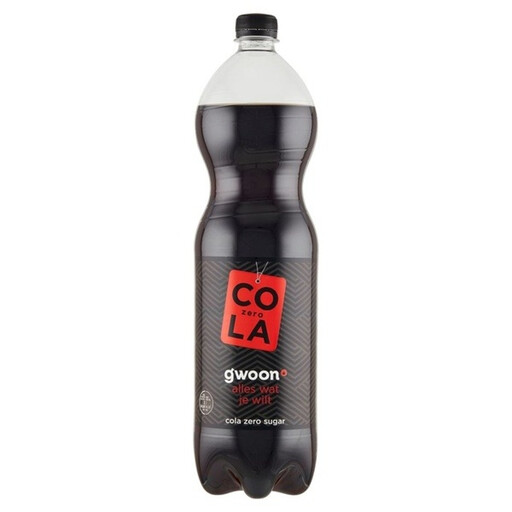
Why it suits this profile: The six 1.5-litre bottles are aimed at households that regularly drink cola and want to keep a supply at home.
The amount per bottle and the total quantity are clearly stated. This allows you to compare the price per litre rather than looking only at the offer price.
6 x 1.5 litres; according to the product information, 0 grams of sugar and 0 grams of fat per 100 ml.
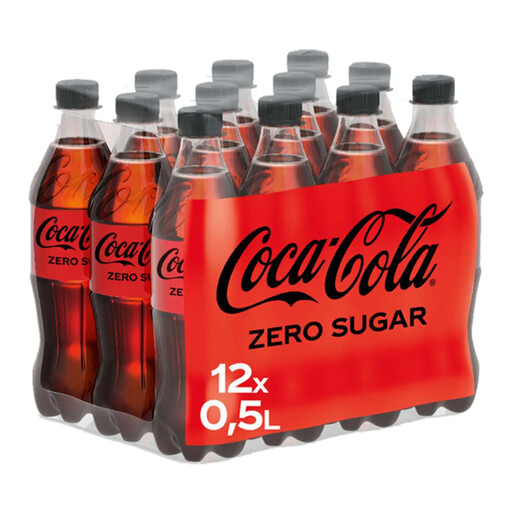
Why it suits this profile: The resealable 500 ml PET bottles are ideal for consumers who want the familiar Coca-Cola taste and are looking for packaging to use at home or on the go.
The size means you do not have to open a large bottle straight away. The product information also explicitly states 0 grams of sugar and 0.3 kcal per 100 ml.
12 resealable 500 ml bottles; Coca-Cola Zero Sugar; no added sugar according to the product information.

Why it suits this profile: This variant is intended for anyone looking for a supply of sugar-free cola cans and specifically wanting to avoid caffeine.
The caffeine-free label clearly distinguishes it from regular zero cola. Nevertheless, check the label when your order arrives, as you should with any food purchase.
24 cans of 330 ml; sugar-free; according to the product information, caffeine-free and containing 0.3 kcal per 100 ml.
We have put together a complete, up-to-date list of products that fully meet these strict selection criteria and the applicable European safety regulations.
Choose a size based on when you plan to drink it:
Pay extra attention to international products, particularly the language on the label, the amount per can and the ingredients. Nutritional values and warnings may vary by flavour.
In practice, cola zero and cola without sugar usually refer to fizzy drinks containing sweeteners and no sugar. The exact nutritional value and composition vary by brand and flavour. Therefore, always check the table per 100 ml and the ingredients list.
In this range, Coca-Cola Zero Sugar Caffeine Free Cola 24 x 330 ml is described as caffeine-free. First Choice Cola Caffeine-Free Light is also sold as caffeine-free. For other variants, such as standard Coca-Cola Zero Sugar and Pepsi Zero Sugar, the product information states that they contain caffeine or caffeine flavouring.
That depends on the price, quantity and packaging. Calculate the price per litre to compare cola bottles and cola cans fairly. Bottles are often practical for several glasses, while cans provide a fixed serving and do not need to be resealed after opening.
