
Vandaag of morgen in huis

Kwaliteit gegarandeerd

Welkomstaanbiedingen ontgrendelen: GRATIS bezorging | Tot 80% korting | Gratis 30 dagen JoyPlus-proefperiode
Download de app
If you’re looking to buy coffee and soft drinks online, you’ll quickly be faced with a huge range of options. From iced coffee and instant coffee to zero-sugar cola, matcha lattes and flavoured soft drinks: packaging and marketing copy don’t always tell the full story. An attractive price might, for example, come with a smaller size, while a multi-pack can be impractical if you don’t have much storage space.
So it’s worth paying close attention to the ingredients, portion size, shelf life and when you’ll actually use the product. That way, you’ll order more purposefully and avoid ending up with something that sits unused in your cupboard.
A bottle or can might look cheap, but the figure that really matters is the price per 100 ml, litre or portion. With coffee concentrate, it’s also important to know how many glasses you can make from it. For example, Nescafé Espresso Concentrate Caramel 500 ml states it contains 16 servings. That makes it much easier to compare with ready-to-drink iced coffee.
The same goes for multi-packs. A tray of 24 cans can be great value for a household, office or event, but less practical if you only drink soft drinks occasionally.
Sugar-free soft drinks don’t automatically mean they’re caffeine-free. Both Pepsi Zero Sugar and Coca-Cola Zero Sugar list caffeine in their ingredients. So always check the ingredients list and nutritional information if you want to cut down on caffeine. For coffee, of course, any product containing espresso, instant coffee or coffee extract will generally contain caffeine, unless it’s clearly stated otherwise.
Words like “creamy”, “rich” or “refreshing” mainly describe a brand’s positioning. Look instead at the verifiable information:
According to a brand’s own research or product information, a particular flavour might be described as distinctive or special. That remains a brand claim, not a guarantee that everyone will experience the same taste.
Compare regular cola with a zero version by looking at the label. According to the product information, Coca-Cola Regular Cola contains 10.6 grams of sugar per 100 ml. Coca-Cola Zero Sugar states 0 grams of sugar and 0 kcal per 100 ml. Pepsi Zero Sugar also states 0 grams of sugar and a very low energy value per 100 ml.
With flavoured soft drinks, don’t just focus on the word “zero”. Pepsi Zero Strawberry & Cream contains sweeteners and caffeine, but according to the stated values, no sugar. If you’re looking for a product with sugar, you could choose Coca-Cola Vanilla or Coca-Cola Cherry, which state 10.6 and 11.4 grams of sugar per 100 ml respectively.
For on-the-go drinking, portion packs are practical. Think about:
A 3-in-1 coffee in sachets is handy if you don’t want to use a coffee machine. Douwe Egberts 3-in-1 contains 10 sachets with coffee, creamer and sugar. Trung Nguyen G7 3-in-1 consists of 20 sachets of 16 grams. With both options, check the ingredients and the milk allergen before you order.
Ready-to-drink iced coffee with milk usually needs to be kept cool and, once opened, stored in the fridge, according to the product information. Starbucks Tripleshot Espresso Iced Coffee contains milk and states 47 mg of caffeine per 100 ml. With a 300 ml pack, that’s a relevant specification to factor into your choice.
Dry products, such as Nescafé Gold instant coffee, matcha latte sticks and 3-in-1 sachets, are generally easier to store in a cupboard. Always follow the label for exact storage instructions and the best-before date.
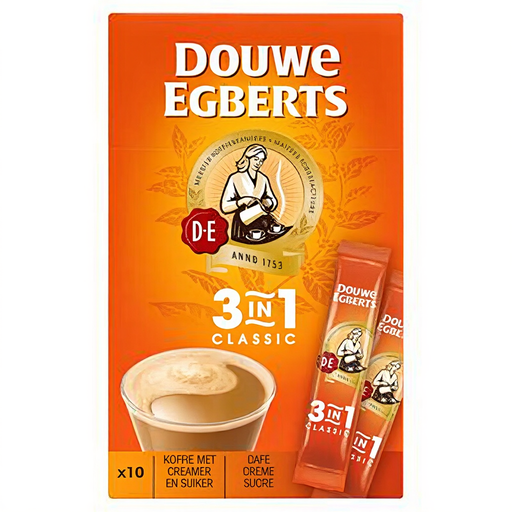
Why this fits the profile: The sachets combine coffee, creamer and sugar. You don’t need a coffee machine and can make one portion at a time, at home, in the office or on the go.
The number of 10 sachets and the single-serve preparation are clear. You don’t have to buy a large multi-pack or separate ingredients.
10 sachets; coffee, creamer and sugar in one portion; contains milk ingredients.
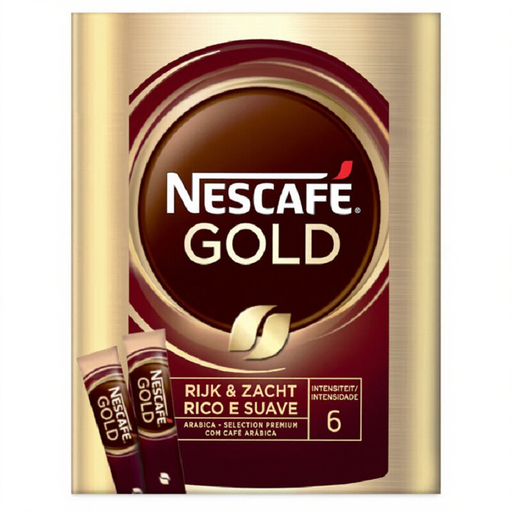
Why this fits the profile: This choice is ideal for anyone looking for pure instant coffee without creamer or sugar in the ingredients list.
You’re not buying pre-mixed sweetened coffee when you want to add your own milk or sugar. The pack contains 25 servings of 1.8 grams each.
25 sachets; ingredient according to product information: instant coffee; suitable for cupboard storage.
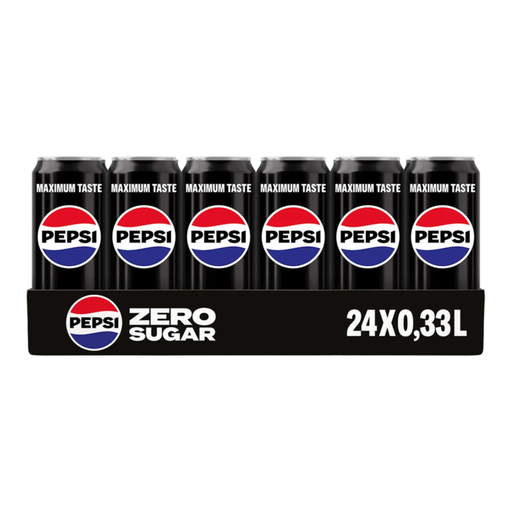
Why this fits the profile: A tray of 24 cans is ideal for offices, parties, sports clubs and households that regularly serve chilled soft drinks.
The contents are clear from the start: 24 cans of 330 ml. The nutritional information states 0 grams of sugar per 100 ml; caffeine is listed in the ingredients.
24 x 330 ml; 0 grams of sugar per 100 ml; suitable for serving chilled; contains aspartame and a source of phenylalanine.
We’ve put together a full, up-to-date list of products that fully meet these strict selection criteria and comply with current European safety regulations.
That depends on the size, portion size, delivery costs and any multi-pack price. Always compare the price per litre or per serving. A large pack is particularly practical if you use the products regularly and have enough storage space.
Dry products such as instant coffee, 3-in-1 coffee and matcha latte sticks can, according to the packaging, be stored unopened for a longer period in a cool, dry place. Ready-to-drink beverages with milk, such as iced coffee, need more attention when it comes to chilling and use after opening. Always check the date and the instructions on the product you receive.
Check whether caffeine is listed in the ingredients or nutritional information. This also applies to zero-sugar cola and flavoured soft drinks. For example, Starbucks Tripleshot Espresso states 47 mg of caffeine per 100 ml. If you want to limit your caffeine intake, compare the stated amount per 100 ml and take the total volume of the pack into account.
