
Vandaag of morgen in huis

Kwaliteit gegarandeerd

Welkomstaanbiedingen ontgrendelen: GRATIS bezorging | Tot 80% korting | Gratis 30 dagen JoyPlus-proefperiode
Download de app
Looking to buy coconut water for home, sport, smoothies or catering? The choice may seem straightforward, but there is a big difference between coconut water, coconut drinks and coconut milk. Terms such as “natural”, “electrolytes” and “no added sugar” only tell you something when you check the ingredients list and nutritional information.
The following pitfalls are common:
For 100% coconut water, coconut water should be the only ingredient. Products such as Grace 100% Coconut Water and Cocomax list coconut water as the base, without added sugar, according to the product information. This does not mean that the drink contains no sugar: the nutritional information may show naturally occurring sugars.
Some varieties do contain added sugar. For example, the product information for Bamboo Tree coconut water states that it contains 98.5% coconut water and cane sugar. According to the product description, Double Panda contains coconut water and cane sugar. These drinks may taste sweeter, but are less suitable if you are specifically looking for coconut water with no added sugar.
Always compare values per 100 ml, not just per carton or can. In the available varieties, the energy content is around 21 to 23 kcal per 100 ml, according to the product information. The difference may seem small, but it adds up with a litre or multipack.
Pay particular attention to:
A 1-litre carton is practical for families, smoothies and sharing. Smaller 330 ml or 500 ml packs are easier to take with you and help reduce waste if you do not drink coconut water every day.
Coconut water with electrolytes is often marketed as a sports drink. According to the Cocomax product description, the product naturally contains electrolytes. Some brands also mention potassium, sodium, calcium, phosphorus or magnesium. Treat this as a brand or product claim and check the nutritional table on the label.
Coconut water can suit an active lifestyle or make a refreshing drink after exercise, but it does not automatically replace a complete sports drink or a balanced diet. If you train intensively, it is worth considering your overall fluid, carbohydrate and electrolyte requirements.
Coconut water is the liquid found inside a coconut and is generally thin with a light flavour. It is often served chilled, used in smoothies or served at parties.
Coconut drink is a broader category. A coconut drink may contain coconut water, but can also include sugar, extra water, flavourings or coconut flesh. According to the product information, Sunlee Coconut Juice with Pulp contains coconut water, water, sugar and young coconut fibres. Mogu Mogu is a flavoured coconut drink with pieces of nata de coco and sugar.
Coconut milk is different from coconut water. Aroy-D Original Coconut Milk and Mae Ploy Blue Coconut Milk are intended for curries, soups, desserts, sauces and smoothies. They contain coconut extract or coconut cream, making them much higher in fat with a creamier texture. So do not choose coconut milk when you are looking for a light drink.
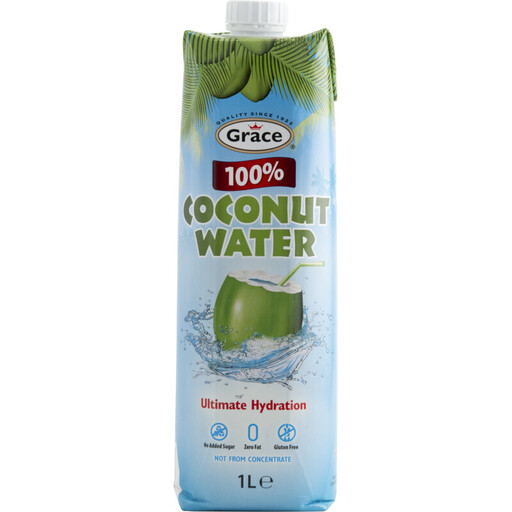
Why it suits this profile: A manageable size for anyone trying coconut water for the first time or looking to use a litre occasionally.
The product information lists coconut water as the ingredient, with no added sugars or coconut flesh. Check the current label before buying.
1 litre of contents, 22 kcal and 5 g of sugars per 100 ml according to the product information.
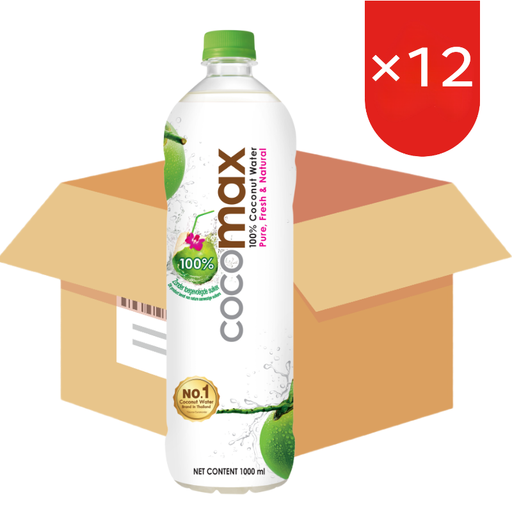
Why it suits this profile: A large stock-up option for households, offices or organisations that regularly serve coconut water.
The product description states that it is 100% coconut water with no added sugar. The box contains twelve individual cartons.
12 x 1 litre; according to the product description, suitable for drinking chilled, smoothies and mixed drinks.

Why it suits this profile: Convenient portions for your gym bag, office, journeys or individual servings at catering events.
The product description states that it is 100% coconut water with no added sugar. According to the same information, the drink contains 2% pieces of coconut.
12 x 330 ml, vegan according to the product information and suitable for drinking chilled.
We have put together a complete, up-to-date list of products that fully meet these strict selection criteria and the applicable European safety regulations.
Store unopened cartons according to the label, usually in a cool, dry place away from direct sunlight. Once opened, coconut water should generally be kept in the fridge. The exact timeframe varies by product: according to the product information, Grace states two days, while other varieties indicate up to three days. Always follow the instructions on the packaging.
Shake products containing coconut flesh before opening. Serve coconut water chilled, use it as a smoothie base or add it to a tropical mocktail. If you have allergies, always check the current ingredients list, as the packaging takes precedence.
No. Coconut water contains naturally occurring sugars. “No added sugar” means that, according to the ingredients list, no extra sugar has been added. You should also check the nutritional information per 100 ml.
A 1-litre carton of coconut water is handy when several people are drinking it or when you are using it for smoothies. A coconut water multipack containing several cartons is particularly practical if you use up your supply regularly. For occasional use, 330 ml or 500 ml portions are often easier to manage.
No. Coconut water is a thin drink for drinking or mixing. Coconut milk is made with coconut extract or coconut cream and generally contains considerably more fat. Use coconut milk mainly in dishes, desserts and creamy smoothies.
