
Vandaag of morgen in huis

Kwaliteit gegarandeerd

Welkomstaanbiedingen ontgrendelen: GRATIS bezorging | Tot 80% korting | Gratis 30 dagen JoyPlus-proefperiode
Download de app
If you’re looking to buy coconut water, you’ll soon come across terms such as “pure”, “natural” and “rich in electrolytes”. But the front of the pack doesn’t always tell the whole story. The main differences between 100% coconut water, coconut drinks and coconut juice come down to the ingredients, sugar content and pack size.
It’s also frustrating to order the wrong quantity, whether you’re buying for home, sport, the office or the catering trade. A small carton is handy on the go, while a multipack is better suited to a family or business. Below, we cover the key things to check and some practical options from the range.
Not every tropical drink with coconut on the label is coconut water. Coconut water comes from the coconut. Coconut juice or a coconut drink may also contain water, coconut extract, sugar, stabilisers or flavourings.
So always check the ingredients list. If it lists only “coconut water”, the ingredients are clear. A product containing, for example, water, coconut extract and sugar will be a sweeter coconut drink with a different taste and nutritional profile.
Coconut water with no added sugar can still contain naturally occurring sugars. For example, Grace 100% Coconut Water lists 5 grams of sugar per 100 ml. That’s not the same as a sugar-free product.
When comparing products, check the nutritional information per 100 ml. This makes it easier to compare a 330 ml pack fairly with 1 litre of coconut water.
A multipack or coconut water in bulk is handy when several people drink it regularly. But once opened, coconut water should be kept in the fridge and used within the time stated on the pack. FOCO recommends using it within around three days of opening; other products may say two days or 48 hours.
For one person, a coconut water multipack in smaller portions may be more practical. For an office, sports club or catering business, a case of 1-litre cartons can be more efficient, as long as you use the stock quickly enough.
Choose according to how you’ll use it:
Treat brand information about hydration, electrolytes or suitability for sport as a product claim. According to FOCO’s own information, its coconut water contains potassium and magnesium, among other things. That doesn’t automatically make it a replacement for water or a medical product. For everyday use, the ingredients list is still the best guide.
Compare energy, carbohydrates, sugars and salt per 100 ml. The product information provided puts several pure varieties at around 19 to 23 kcal per 100 ml, but exact values vary by brand and batch. Always use the latest pack as your definitive source.
This is particularly relevant when choosing coconut water for sport. A small pack can be convenient after exercise, but the right choice depends on your overall diet and personal preference. Don’t treat general sports claims as a guarantee of a particular effect.
A 330 ml pack is suitable for one serving. A 1-litre carton is more convenient for sharing or keeping chilled at home. When buying in bulk, work out the total volume:
Also check the best-before date, storage temperature and how long the product can be kept after opening. An unopened carton can often be stored outside the fridge, but always follow the label on the specific product.
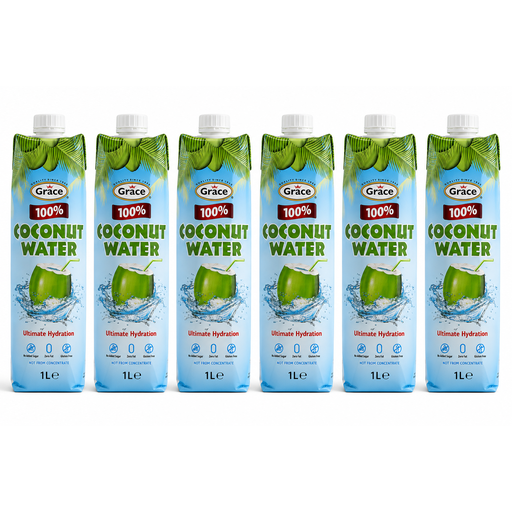
Why it suits this shopper: The case contains six 1-litre cartons, making it a straightforward choice for home, a shared household or a small office. Compare the price per litre before you buy.
The product information lists coconut water as the ingredient and says no sugar has been added. Check the current packaging for the definitive ingredients.
6 × 1 litre; 22 kcal and 5 grams of sugar per 100 ml according to the product information; serve chilled.
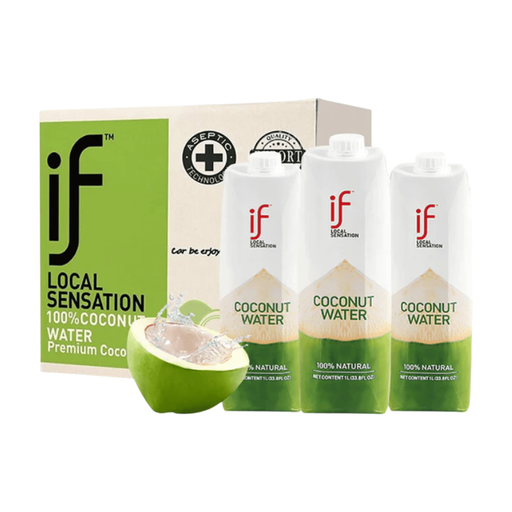
Why it suits this shopper: If you’re mainly looking for a short ingredients list and a large supply, this case gives you twelve 1-litre cartons.
According to the product description, the ingredients list states 100% coconut water, with no added sugar, colourings or preservatives.
12 × 1 litre; 21 kcal per 100 ml according to the product information; suitable for keeping in stock.
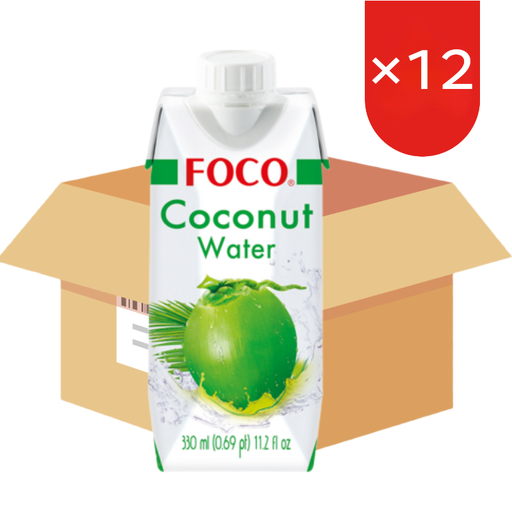
Why it suits this shopper: The 330 ml portions are easy to take to work, training or an event, without having to share an opened 1-litre carton.
The product information says it contains 100% coconut water. Check the packaging when it arrives and keep an opened carton chilled.
12 individual 330 ml portions; the product information states that it is UHT-processed; according to the description, unopened cartons can be stored at room temperature.
We’ve put together a complete, up-to-date list of products that meet these strict selection criteria and current European safety regulations.
Coconut water is a drink with a light, tropical flavour and naturally occurring sugars. Whether you enjoy it as a natural thirst-quencher depends on your taste and when you drink it. Always compare the ingredients and nutritional information with those of everyday drinks.
It varies by brand. Product information often recommends two to three days, or 48 hours. Keep an opened carton in the fridge, seal it securely and follow the instructions on the label.
The only reliable way to work this out is to divide the total price by the number of litres. A large case can be practical for families, offices and catering businesses, but is less suitable if you’ll use the stock slowly. So compare the price per litre, shelf life and pack size before ordering.
