
Vandaag of morgen in huis

Kwaliteit gegarandeerd

Welkomstaanbiedingen ontgrendelen: GRATIS bezorging | Tot 80% korting | Gratis 30 dagen JoyPlus-proefperiode
Download de app
Looking to buy coconut water for home, the office, the gym or on the go? The choice might seem simple, but packs labelled “natural”, “electrolytes” and “no sugar” aren’t always directly comparable. The difference often comes down to the ingredients, the amount in each pack and how you plan to use the product.
Not every drink with coconut in its name is 100% coconut water. Coconut drinks and coconut juice may contain water, coconut extract, sugar, coconut flesh, flavourings or stabilisers. For example, 520 ml Foco Coconut Juice contains water, coconut extract, sugar, a stabiliser and flavouring. That makes it a different choice from 100% coconut water.
Always check the ingredients list. If it lists only “coconut water”, you’ll have a clearer idea of what you’re buying. If it also lists sugar, fructose or coconut extract, it’s a different type of drink.
Coconut water with no added sugar can still contain naturally occurring sugars. According to the product information, Grace 100% Coconut Water contains only coconut water and has 5 grams of sugars per 100 ml. This doesn’t mean extra sugar has been added; the sugars are naturally present.
Compare both the ingredients and the nutritional information per 100 ml. That way, you won’t be relying on the front of the pack alone.
A 1-litre pack of coconut water is handy for serving several glasses at home, but once opened, it needs to be kept refrigerated and used within the timeframe stated on the pack. For taking with you, smaller 330 or 500 ml packs are often more convenient.
A multipack of coconut water can be good value for families, offices or sports teams, but only if the amount suits how much you’ll use. Also consider storage space and the best-before date.
First, choose between:
According to the product information, Vietcoco Coconut Water contains 99% coconut water, less than 1% fructose and vitamin C. If you’re looking for coconut water with no other ingredients, you can compare it with products whose ingredients list contains only coconut water.
A small pack is ideal for a single drink. A 1-litre pack is better for keeping in the fridge at home or sharing. Larger households and businesses can choose boxes containing several litre packs, such as Grace 100% Coconut Water – 6 x 1 L or Vietcoco Coconut Water – 12 x 1 L.
Follow the manufacturer’s instructions. Unopened long-life packs can usually be stored outside the fridge, but once opened, they should be refrigerated. The exact timeframe varies by product and is stated on the pack.
Coconut water naturally contains minerals, including potassium. Some brands describe their products as coconut water with electrolytes. If so, check which minerals are actually listed in the nutritional information and in what amounts.
For example, the product information supplied for FOCO Coconut Water 1000 ml lists 200 mg of potassium per 100 ml. Don’t take claims that a product is suitable for sport or recovery as medical promises. When comparing coconut water for sport, portion size, flavour, carbohydrates, minerals and convenient packaging are the most relevant factors.
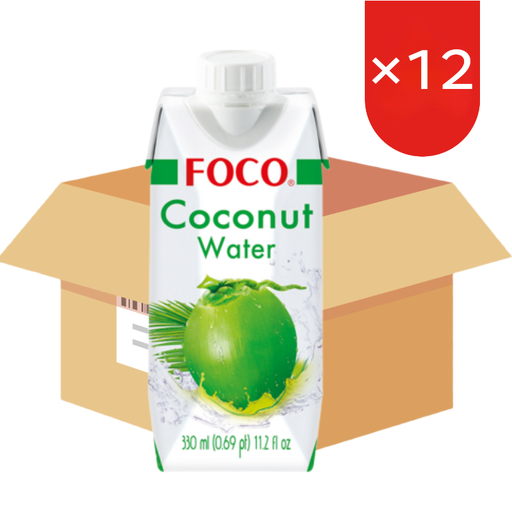
Why it suits this profile: The individual 330 ml packs are handy for taking with you, whether you’re heading to school, the office or the gym. The product information lists coconut water as an ingredient.
The multipack gives you clearly portioned servings, so you don’t have to open a large pack for a single drink. Before buying, check the current packaging and ingredients on the label.
12 individual 330 ml packs; can be stored unopened according to the product information.
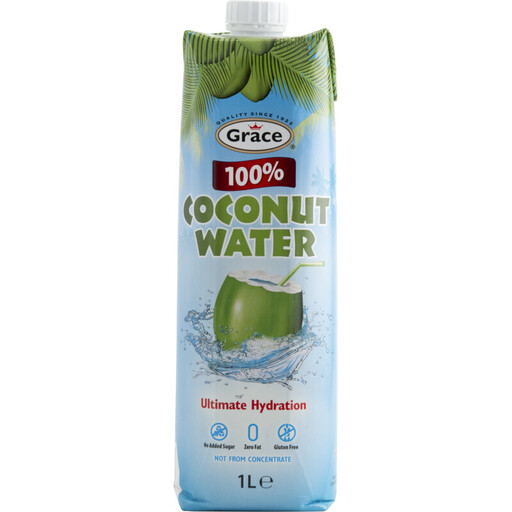
Why it suits this profile: The ingredients list contains only coconut water. The 1-litre pack is well suited to everyday use at home and serving chilled from the fridge.
The product information distinguishes between naturally occurring sugars and added ingredients. No extra sugar is listed.
1 litre; 22 kcal and 5 grams of sugars per 100 ml according to the nutritional information provided.
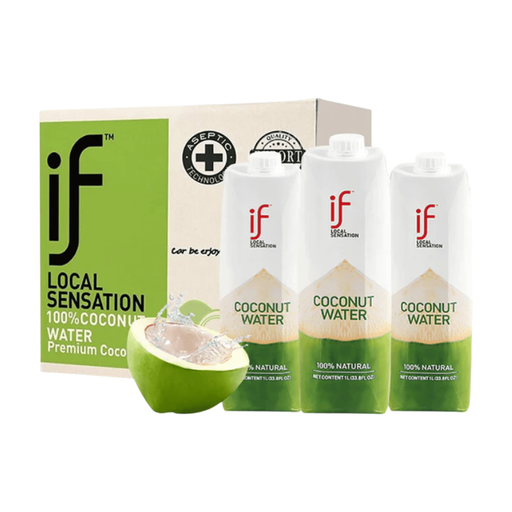
Why it suits this profile: The box of 12 one-litre packs is designed for high-volume use, such as in families, offices, hospitality venues or for regular sports activities.
The size of each pack and the total number of packs are clearly stated. This makes it easier to match your supply to how much you’ll actually use.
12 x 1 litre; 100% coconut water and 21 kcal per 100 ml according to the product information.
We’ve put together a complete, up-to-date list of products that meet these strict selection criteria and the applicable European safety regulations.
Choose coconut water for drinking, chilling and taking with you. For Thai curry, soup, pudding or baking, you’ll need coconut milk. According to the product information, Aroy-D Original Coconut Milk contains 70% coconut extract and has 19 grams of fat per 100 ml. Green Life Coconut Milk contains 5–7% coconut extract and is intended for dishes such as curries, desserts and smoothies.
A tin or carton of coconut milk is therefore not an alternative to coconut water. The texture, nutritional content and uses are clearly different.
That depends on your personal circumstances and the type of exercise. Coconut water naturally contains carbohydrates and minerals, but its composition varies from brand to brand. Compare the label with your needs, and don’t automatically use it as a substitute for a specialist sports or medical product.
Keep opened coconut water in the fridge and follow the timeframe on the pack. This can vary between brands. Seal the pack tightly and check the smell, taste and appearance before drinking.
Many varieties contain around 19 to 23 kcal per 100 ml, but this varies. Always check the nutritional information. “No added sugar” doesn’t mean the product contains no natural sugars.
