
Vandaag of morgen in huis

Kwaliteit gegarandeerd

Welkomstaanbiedingen ontgrendelen: GRATIS bezorging | Tot 80% korting | Gratis 30 dagen JoyPlus-proefperiode
Download de app
Whether you want to buy coconut snacks for on the go, with your coffee or as a dessert, you'll quickly notice that many products look similar. Yet they differ significantly in ingredients, portion size, allergens and nutritional values. A coconut bar isn't automatically a light snack, and a product with coconut flavouring may contain very little real coconut.
With this practical selection guide, you can compare coconut snacks, coconut nibbles and Asian varieties in a straightforward way.
Packaging sometimes boasts "coconut flavour" in large letters, even though coconut has only been added as an flavouring. Always check the ingredients list. With Three Squirrels Freeze-Dried Thai Coconut Flakes, the product information states it consists of 97% coconut and 3% sugar. With ChaCha Coconut-Flavored Sunflower Seeds, coconut flavouring is just a small part of the recipe.
That difference determines whether you're mainly buying a coconut snack or a flavoured snack.
Marketing terms don't always tell the full story. Look at the nutritional information per 100 grams and at the portion size. The Hero Coconut Muesli Bar, for example, contains 28 grams of sugar per 100 grams and comes as six bars of 25 grams each. So a product can be conveniently packaged but still contain relatively high sugar per portion.
A brand claim about low sugar content should be read as a claim from the brand. Always check the official packaging and the current product information.
Coconut itself isn't in the same category as peanuts or nuts under EU allergen information, but a product may contain other allergens. Coconut biscuits, waffles and coconut bars often contain wheat, milk, soya, egg or peanuts. Sum & Sam Grated Coconut lists 100% desiccated coconut and none of the 14 major EU allergens according to the product information provided.
Also pay attention to the difference between a shelf-stable product and a frozen product. China Town Glutinous Rice Ball Coconut must be stored at -18 °C or below and must be fully cooked before consumption.
Ingredients are usually listed in descending order by weight. If sugar, syrup or palm oil appears before coconut in the list, then coconut may be mainly a flavour accent. For baking and cooking, desiccated coconut without additions is more straightforward than a sweetened version.
Also check whether you're looking for:
Always use the same unit of measurement. Pay particular attention to:
Coconut products can be relatively high in fat because coconut naturally contains fat. Sum & Sam Grated Coconut, for example, lists 64.5 grams of fat and 16.3 grams of fibre per 100 grams. That makes it an ingredient for small amounts, not automatically a snack you eat freely.
If you're looking for extra protein, you can compare the Optimum Nutrition Chocolate Sweet Coconut Protein Bar. The product information states 18 grams of protein per bar. Always check the full ingredients list and allergens with sports nutrition, as this bar lists milk, soya, peanuts, nuts and gluten-containing grains among its ingredients.
Individual packs are practical for school, the office or on the go. The Hero Coconut Muesli Bar comes as six individually wrapped bars of 25 grams each. For sharing with guests, a bag of 200 to 500 grams is more convenient, such as ChaCha Coconut-Flavored Sunflower Seeds at 500 grams.
For products with a crunchy texture, resealability is important. Seal a bag of coconut chips, waffles or filled biscuits well after opening to prevent moisture and loss of crispness. With frozen products, you mainly need to check whether you have enough freezer space and whether refreezing is not permitted.
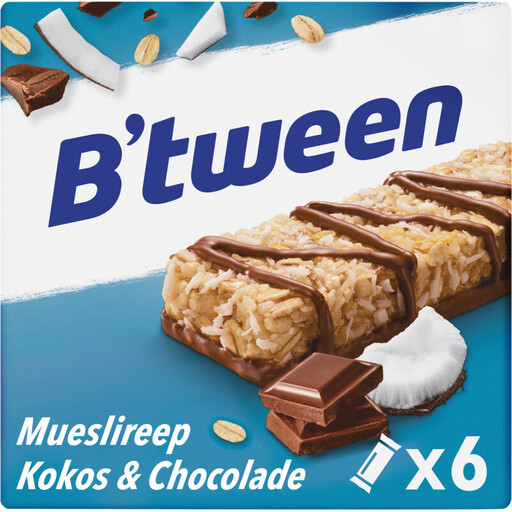
Why this fits the profile: Six individually wrapped bars of 25 grams each are easy to take to work, school or on the go.
The portion size and ingredients are clearly stated. Be aware of milk, wheat, barley, oats and possible traces of nuts and peanuts.
6 x 25 grams, individually wrapped, with coconut flakes and milk chocolate.
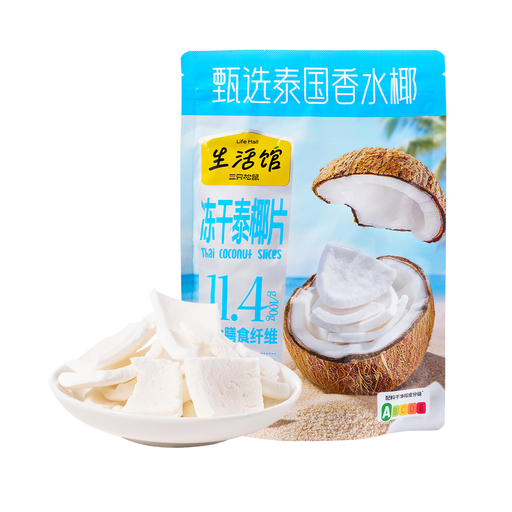
Why this fits the profile: Ideal for anyone looking for a short ingredients list and a pronounced coconut texture.
The product information states 97% coconut and 3% sugar, so the proportion of real coconut is verifiable.
100 grams, ready to eat straight away, with coconut as the main ingredient and a crunchy texture.
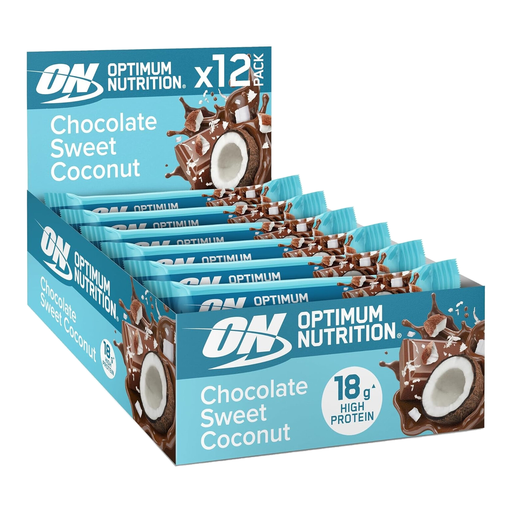
Why this fits the profile: A practical choice for active consumers who want a coconut protein bar to take after training or between meals.
The product information states 18 grams of protein per bar. Do check the allergen list and sweeteners before purchasing.
Multipack with 12 bars of 59 grams each; combination of chocolate and desiccated coconut.
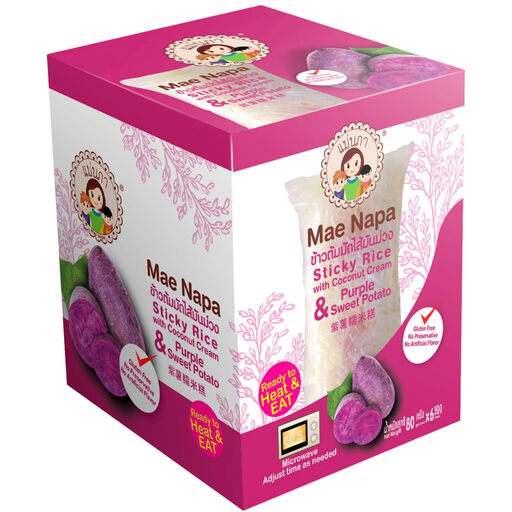
Why this fits the profile: For anyone wanting to try coconut rice balls, glutinous rice desserts and soft Thai flavours.
The portions are individually wrapped and the composition lists 36% coconut cream, 28% glutinous rice and 19% purple sweet potato.
6 x 80 grams, individually wrapped, ready to eat and, according to the product information, gluten-free.
We've put together a full, up-to-date list of products that fully meet these strict selection criteria and comply with current European safety regulations.
Individually wrapped bars or small bags are practical. Alongside the weight, also look at the packaging, allergens and shelf life. The Hero Coconut Muesli Bar has six individual portions, while a larger bag of sunflower seeds is more suitable for sharing.
That varies by product. Sum & Sam Grated Coconut lists 100% desiccated coconut and, according to the product information, is suitable for vegan and gluten-free diets. Other products contain milk, soya, egg or wheat. Always check the current ingredients list on the packaging.
Store shelf-stable coconut chips, waffles and biscuits in a cool, dry place away from direct sunlight. Seal the packaging well after opening. A coconut dessert or coconut rice ball from the freezer should generally be kept at -18 °C or below according to the storage advice. When in doubt, follow the instructions on the packaging.
