
Same-day & Next-day Delivery

Quality Guaranteed

Unlock Your Welcome Offers: FREE Delivery | Up to 80% OFF | Free 30-day JoyPlus trial
Download the APP
When you want to buy coconut milk online, you soon come across many similar-looking options. Yet they can differ considerably in fat content, ingredients, packaging and intended use. A 400ml tin is not automatically suitable for every curry, and coconut water or coconut drink cannot replace coconut milk in a sauce.
This buying guide helps consumers, home cooks, vegans and fans of Thai and Asian cuisine make an informed choice. Below, you’ll find practical checks and a selection of popular options from the range.
Coconut milk is usually used in curries, soups, desserts and smoothies. Coconut cream is thicker and generally contains more fat, such as KARA Coconut Cream with 24% fat. It is better suited to concentrated sauces, desserts or cocktails.
Coconut water is a light drink from the coconut. It contains little fat and is usually enjoyed chilled. FOCO Coconut Water with Pineapple, for example, contains coconut water with 5% pineapple juice. It is therefore not an alternative to coconut milk in a curry.
When browsing search results, also look out for terms such as coconut drink, coconut juice and coconut beverage. These products can be refreshing thirst-quenchers, but they have a different composition and purpose from coconut milk.
Aroy-D, KARA and Sunlee are well-known names in Thai coconut milk and Asian coconut milk. However, the brand does not tell you everything. Always check:
According to the product description, AROY-D Coconut Milk Cooking contains 19% fat and coconut extract with water as its ingredients. Sunlee Coconut Milk 20-22% lists 20-22% coconut flesh extract, while Green Life, with 5-7% fat, is a noticeably lighter option.
A 1-litre coconut milk is practical if you often make curry, soup or desserts. For a one-off recipe, a 400 or 500ml pack may be more convenient. Once opened, coconut milk should be stored in the fridge according to the product information and used within the stated period.
A multipack may seem good value, but it only suits your household if you will use the products in good time. So check the best-before date and storage instructions before buying in bulk.
The fat content mainly affects the thickness and intensity of the coconut flavour:
Fat content is not, by itself, a measure of quality. The right choice depends on the recipe. For a creamy curry, 19% can be a practical option; for a light smoothie, a lower percentage may work better.
Check the ingredients list rather than looking only at the front of the pack. Some varieties contain nothing but coconut extract and water. Others use stabilisers such as xanthan gum, guar gum or carrageenan to reduce splitting and natural separation.
“Vegan” and “lactose-free” do not mean the same as “suitable for everyone with an allergy”. Always check the allergen information on the current packaging. The product information for Aroy-D Original Coconut Milk and KARA Coconut Milk Classic lists none of the 14 major EU allergens, while KARA Coconut Cream does list milk as an allergen.
Coconut milk in a tin is compact and easy to stack in the cupboard. A 500ml or 1-litre Tetra Pak is often easy to pour and can be practical if you use coconut milk regularly. A 400ml pack works well for many recipes serving two to four people.
When buying multipacks, check the number of units. A box of 12 packs may suit frequent users, but be less convenient if you rarely cook Asian food.
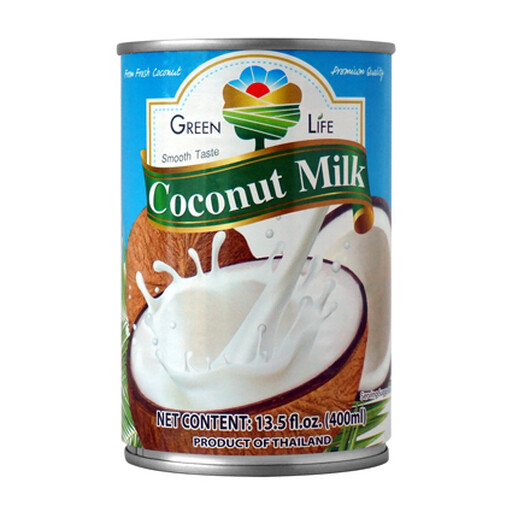
Why it suits this profile: The 400ml pack is a manageable size for making your first curry, soup or dessert. Its low fat content offers a milder starting point.
You won’t be buying a large stock pack before you know how much coconut milk you use. The product information states 5-7% fat and a quantity of 400ml.
Vegan according to the product description, in a 400ml tin, with 5-7% fat and suitable for curries, soups and desserts.
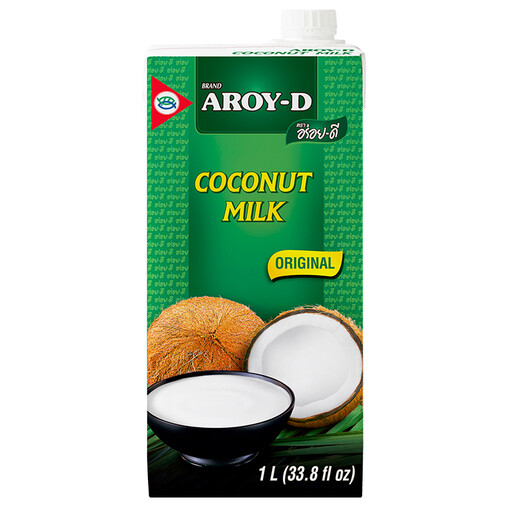
Why it suits this profile: The 1-litre quantity is ideal for home cooks who regularly prepare Thai curries, soups, desserts or smoothies.
The fat content and composition are clearly stated: 19g of fat and 70% coconut extract per 100ml, according to the product information.
1-litre quantity, 19% fat, vegetarian and vegan according to the product description; suitable for sweet and savoury dishes.
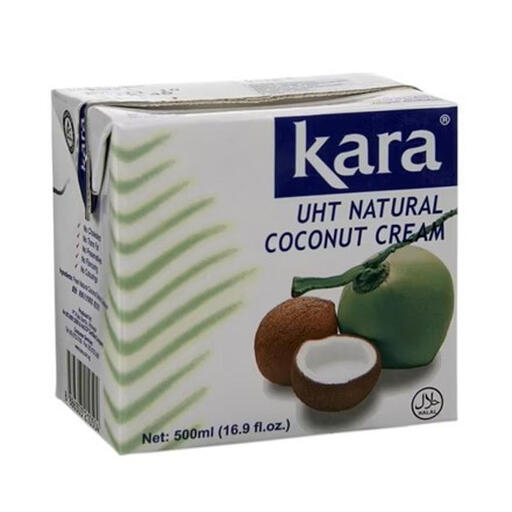
Why it suits this profile: Its thicker texture and 24% fat content are well suited to concentrated sauces, desserts and cocktails.
The name makes it clear that this is coconut cream, not a thin coconut drink. This means you can choose it specifically when extra thickness is needed.
24% fat, 500ml, UHT-treated and, according to the product information, free from colourings, flavourings and preservatives.
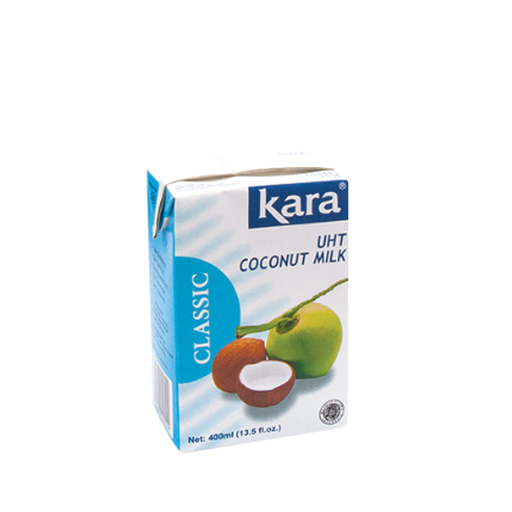
Why it suits this profile: The 400ml pack is suitable for smaller households and recipes where you’re looking for a dairy-free base.
The product information states 17% fat, a 400ml quantity and none of the 14 major EU allergens. Check the packaging again when you purchase.
17% fat, UHT packaging, 400ml and, according to the product description, suitable for vegan and vegetarian recipes.
We’ve put together a complete, up-to-date list of products that fully meet these strict selection criteria and the applicable European safety regulations.
Shake or stir coconut milk if you notice natural separation or solidification. This is not unusual with coconut products. Store unopened packs and tins according to the label in a cool, dry place, away from direct sunlight and heat.
Once opened, coconut milk should be kept in the fridge. Use the product within the period stated on the packaging and seal a Tetra Pak or tin properly. Discard the pack if it is bulging, leaking, damaged or has an unusual smell.
For a creamy Thai curry, varieties around 17-22% fat are often a practical choice. AROY-D Coconut Milk Cooking with 19% fat, Sunlee Coconut Milk with 20-22% fat and KARA Classic with 17% fat all fall within this range. The final choice depends on the thickness you want and the recipe.
No. Coconut milk is made from coconut extract and water and contains considerably more fat. Coconut water is a light drink with little or no fat. So check the product name before ordering: coconut milk for curry and coconut water have different uses.
This varies by packaging and brand. Refrigerate opened coconut milk immediately and follow the storage period stated on the label. Choose a smaller pack if you usually only need part of the coconut milk. This helps reduce waste and keeps your pantry organised.
