
Vandaag of morgen in huis

Kwaliteit gegarandeerd

Welkomstaanbiedingen ontgrendelen: GRATIS bezorging | Tot 80% korting | Gratis 30 dagen JoyPlus-proefperiode
Download de app
Coconut milk is a staple ingredient in many Thai and Asian recipes. However, packaging, fat content and ingredients can vary considerably from one product to the next. If you only look for the word "creamy" or a tropical-looking carton, you could end up with a product that is too thin for a curry, too heavy for a smoothie, or awkwardly large if you only use it occasionally.
These pointers will help you compare coconut milk based on verifiable information, without relying on marketing claims.
Coconut milk and coconut cream are sometimes used interchangeably, but their composition can differ. Always check the percentage of coconut extract and the nutritional values. A higher fat content generally gives a fuller mouthfeel, while a lower-fat version can be lighter in soups, smoothies or desserts.
A 1-litre pack of coconut milk is practical if you cook often or make multiple portions. For a single curry, however, 400 ml may be enough. Once opened, coconut milk should be kept refrigerated as per the packaging and used within the stated period. A small tin or multipack helps prevent waste if you only make Thai dishes occasionally.
Coconut milk is naturally plant-based, but always check the actual ingredients list and allergen information on the packaging. Also look out for stabilisers or emulsifiers if you want the simplest possible composition. The coconut milk products mentioned here do not list any of the 14 major EU allergens, but the packaging remains the definitive source.
The proportion of coconut extract gives you more context than just the product name. Aroy-D Original Coconut Milk, for example, lists 70% coconut extract, water and polysorbate 60 (E435). According to the product information, the nutritional values per 100g are 182.60 kcal, 19g fat and 17g saturated fat.
Green Life Coconut Milk lists 5–7% coconut extract and 5g fat per 100ml. According to the product description, this makes it suitable for lighter applications such as soups, smoothies and desserts. So don't just compare brands – compare the figures per 100ml or 100g too.
An unopened carton is usually easy to store in a cupboard, as long as the packaging allows it. Once opened, follow the storage instructions on the label.
For coconut milk for curry, the extract percentage, fat content and desired thickness are important. For desserts, puddings and baking, a pronounced coconut flavour may be desirable. For smoothies or soups, a milder version can work better. Also check whether the coconut milk is unsweetened, so you retain control over the flavour in both savoury and sweet recipes.
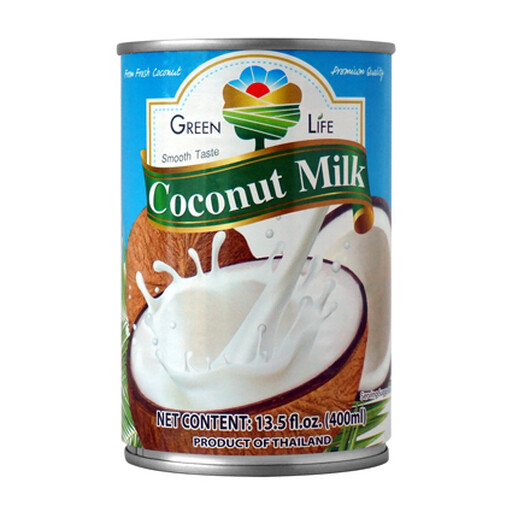
Why this fits the profile: The 400 ml pack is a manageable size for a first curry, soup or dessert. The product information mentions a mild coconut flavour profile and 5–7% fat.
The quantity reduces the chance of leftovers. The ingredients list includes coconut extract, water and guar gum as a stabiliser.
400 ml per tin; 5g fat per 100ml; according to the product information, vegan, lactose-free and gluten-free.
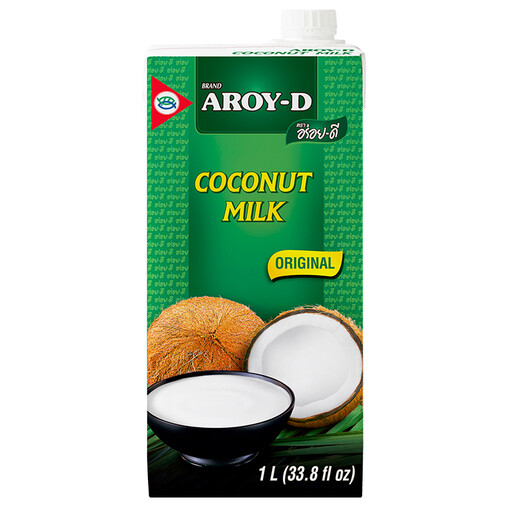
Why this fits the profile: If you regularly make Thai curry, Tom Kha, desserts or baked goods, one litre gives you plenty of stock for multiple recipes.
The extract percentage and nutritional values are clearly stated, so you don't have to judge the product by brand name alone.
1,000 ml content; 70% coconut extract; according to the product information, vegetarian and vegan.
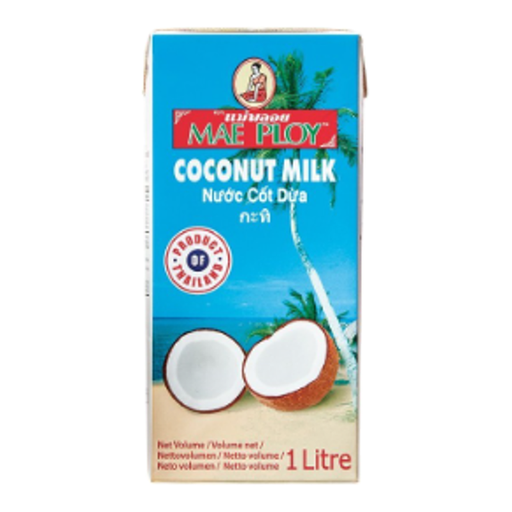
Why this fits the profile: This Thai coconut milk carton is designed for households that want to keep a stock for curries, soups, desserts, smoothies and baking.
The UHT processing and 1-litre packaging are clearly stated in the product information. Unopened, the carton can be stored outside the fridge according to the label.
1 litre content; 19g fat per 100ml; ingredients include coconut extract, water and stabiliser E466.
We've put together a full, up-to-date list of products that fully meet these strict selection criteria and comply with current European safety regulations.
Shake or stir coconut milk before use if the solid and liquid parts have separated. This is especially relevant for varieties with a higher fat content. Store an unopened pack according to the label in a cool, dry place, away from direct sunlight and heat. Once opened, coconut milk should generally be kept refrigerated. Always check the best-before date and information about use after opening.
Want to buy coconut milk for a vegan recipe? Don't just look for the word "plant-based" – also check the ingredients list, allergen information and any cross-contamination warnings. For those avoiding lactose, the coconut milk varieties mentioned here offer a dairy alternative based on the listed ingredients. They are not a substitute for every type of cooking cream: flavour, fat content and thickness determine the final result.
Yes, coconut milk is commonly used in curries. A variety with a higher fat content and more coconut extract gives a fuller result. Add the coconut milk gradually and taste as you cook, because spices, stock and vegetables all influence the final flavour.
This varies by brand and packaging. Put opened coconut milk in the fridge and follow the period after opening stated on the label. Use a clean spoon or pouring spout and seal the pack or tin tightly. When in doubt, don't rely solely on smell or appearance – follow the product instructions.
Coconut milk is made from coconut extract and water and is plant-based. Lactose-free milk is still cow's milk, but contains less or no lactose according to the product composition. They are therefore different products with a different flavour profile, fat content and use in recipes.
