
Vandaag of morgen in huis

Kwaliteit gegarandeerd

Welkomstaanbiedingen ontgrendelen: GRATIS bezorging | Tot 80% korting | Gratis 30 dagen JoyPlus-proefperiode
Download de app
A cleaning brush might seem like a simple household item, but you'll quickly notice the wrong choice. A brush that's too soft won't shift caked-on residue properly, while bristles that are too hard can cause scratches. An awkward handle, a brush that doesn't dry well, or the wrong size can all mean you'll need to buy a replacement before long.
As a Joybuy Product Recommendation Officer, I focus on verifiable features: material, dimensions, bristle firmness, intended use and maintenance. That way, you avoid letting attractive product claims outweigh the practical qualities that really matter.
A sturdy pot and pan brush is handy for baked-on food residue, but it won't automatically be suitable for non-stick coatings, delicate plastic or lacquered surfaces. A toilet, grout, bottles and a car interior all need different brush shapes.
So pay attention to the specific intended use. A washing-up brush is designed for crockery and kitchen utensils, a grout brush for narrow gaps, and a toilet brush for the toilet bowl. A car wash brush or detailing brush usually needs softer bristles to reduce the risk of damaging surfaces.
A cleaning brush set might seem like good value, but first check which brushes are actually included. A set with three almost identical brushes offers less value than a combination of different sizes and brush types.
Also look at the materials. Products made from PP, PET, nylon or silicone each have different properties. PP is lightweight and moisture-resistant. Nylon can be firm and is suitable for intensive scrubbing, but the hardness varies between models. Silicone brushes are often easy to rinse off and, with certain products, can be sterilised – as with the Momcozy bottle brush set, according to the product description.
A brush that stays constantly wet can develop an unpleasant smell and wear out more quickly. A holder or stand helps, but only if water can drain away. After use, check the brush for loose bristles, distortion and cracks.
Always follow the instructions for use. Don't use harsh cleaning agents unless the product is designed for them. If in doubt, use a neutral cleaning solution, rinse thoroughly and let the brush dry completely.
The bristles determine how much pressure you can apply. Firm nylon or PP bristles are practical for pans, tiles and stubborn dirt. Softer fibres or microfibre are better suited to dashboards, glass, plastic and other surfaces that scratch more easily.
Also consider the shape. A narrow head reaches inside bottles, around taps or along edges. A wide head works faster on pans, basins and larger surfaces. For a radiator, length is especially important; a radiator brush of 64 cm can reach between or behind radiators without you having to stretch.
A long handle keeps your hands further from hot water, dirt and cleaning products. The JORDAN&JUDY brush with a long handle is, according to the product information, 22 cm long and has a PP handle with nylon bristles. A short brush gives you more control when scrubbing pans or small surfaces.
Check that the length suits the task. For a toilet brush, a length of around 36 to 37 cm is practical when used with a holder. For a brush for hard-to-reach areas, a narrow head, flexible bristles or a curved handle are more useful than just a longer shaft.
A plastic or PP brush is generally easy to rinse off. With a product that has wooden parts, you need to be extra careful about prolonged exposure to moisture; always check the product information. The JORDAN&JUDY brushes mentioned are not made from solid wood, according to the description.
Rinse a cleaning brush after use, remove any visible dirt and store it upright or in a way that allows water to drain away. Use a toilet brush only for the toilet bowl. A bottle brush must be able to dry completely after cleaning food or baby products.
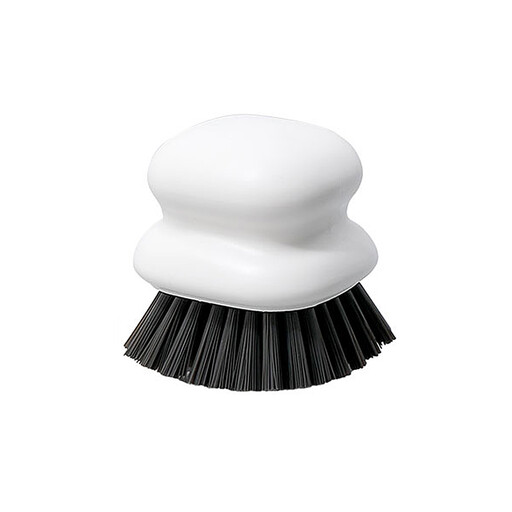
Why this fits the profile: The short handle gives you direct control for everyday washing-up, cleaning pans, the sink and surfaces in the kitchen or bathroom.
The application and material are clearly described: plastic, a short handle and use without assembly. Use the brush carefully on delicate coatings.
Compact size, ready to use straight away and suitable for multiple household cleaning tasks.
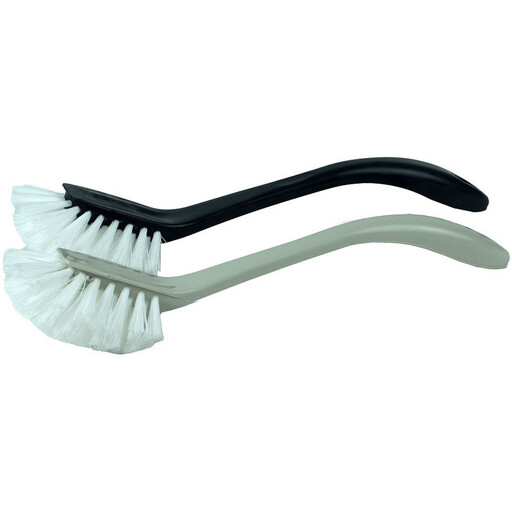
Why this fits the profile: According to the product description, this kitchen brush has firm bristles, an ergonomic handle and a design that can be easily rinsed and dried.
The product information mentions its use for plates, pans and kitchen surfaces. Still, always check the sensitivity of your crockery before scrubbing firmly.
Ergonomic handle, firm bristles and a one-piece design for regular use.
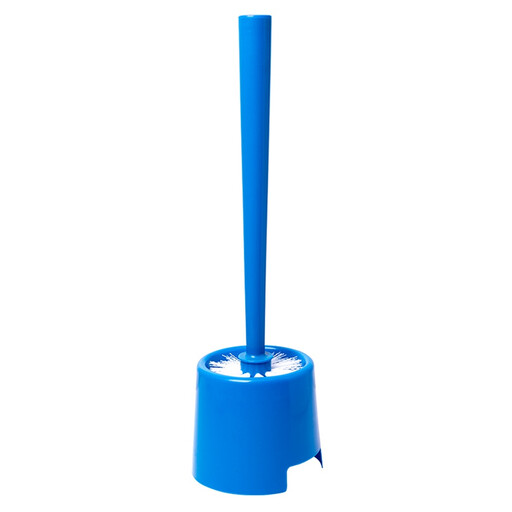
Why this fits the profile: The brush is specifically designed for the toilet bowl and comes with a compact holder. The total height is 37 cm and the PP bristles are 25 mm long, according to the specifications.
It's not a universal brush but a product for one clear task. The holder supports storage and drip-drying; keep the holder itself clean and dry.
25 mm long PP bristles, a total height of 37 cm and an included holder.

Why this fits the profile: The set includes a bottle brush, teat brush, straw brush, soap dispenser, drying rack and storage case. That suits households that clean multiple bottle parts.
The different attachments prevent one wide brush being used in narrow openings. According to the product description, the silicone parts can be boiled; always follow the included instructions.
Seven components, a foldable drying rack and a compact case for home or on the go.
We've put together a full, up-to-date list of products that fully meet these strict selection criteria and current European safety regulations.
That depends on use, material and maintenance. With daily intensive scrubbing, bristles wear out faster than with light dusting. Replace the brush when bristles come loose, bend or no longer clean evenly. A brush that is rinsed after each use and stored dry will generally last longer.
That's not practical. Use separate brushes for each room and task. A brush for the toilet should not be used in the kitchen. Label or store brushes separately to avoid mixing them up.
Rinse the bristles thoroughly after use, remove any food residue or dirt and let the brush dry completely. Clean a holder regularly with a suitable product. Do not use boiling water, bleach or strong chemicals if the product information doesn't allow it. If in doubt, the instructions on the packaging are what you should follow.
