
Vandaag of morgen in huis

Kwaliteit gegarandeerd

Welkomstaanbiedingen ontgrendelen: GRATIS bezorging | Tot 80% korting | Gratis 30 dagen JoyPlus-proefperiode
Download de app
Buying chocolate snacks online might seem straightforward, but product photos and eye-catching flavour names don’t always tell the full story. A packet can look large, while the contents are actually made up of small portions. Likewise, terms like “no added sugar”, “premium” or “Japanese limited edition” don’t tell you much about taste, ingredients or whether they’re right for you.
With these practical checks, you can compare chocolate bars, chocolate biscuits, chocolate wafers and international sweets more effectively before you order.
Always check the net weight and number of portions. A multipack with individually wrapped snacks can be handy for school, work or on the go, but the price per 100 grams may be higher than a standard bar. With a gift set, the presentation also counts, whereas for everyday use you might want to focus more on what’s inside.
“Dark chocolate”, “white chocolate” and “milk chocolate” have different flavour profiles and compositions. A product with a dark appearance doesn’t always contain only dark chocolate. So look at the ingredients list and the percentage of cocoa solids, if stated.
Even with “no added sugar”, you need to read the nutritional information. For example, the Hero B’Tween Muesli Bar Zero White Chocolate contains sweeteners, including maltitol. The product information also notes that excessive consumption may have a laxative effect. That’s important information that isn’t obvious from a product photo.
International snacks can contain milk, soya, wheat, nuts, peanuts, egg or sesame. If you have an allergy, always check the physical label and the actual product packaging. Product information online can change, and the packaging may include additional warnings.
Also pay attention to storage. Many chocolate snacks should be kept cool, dry and away from direct sunlight. In warm weather, chocolate can soften or develop a slight bloom. That isn’t always a sign the product is unsafe, but the texture and flavour may change.
For a snack on the go, individually wrapped portions or a small pack are practical. Pocky, KitKat and small wafers are easy to carry in a bag or lunchbox. For sharing when you have visitors, bars of 90 to 220 grams or multipacks make more sense.
Decide in advance whether you’re looking for a single treat, a family supply or a gift. That way you avoid paying too much for packaging that doesn’t suit how you’ll use it.
Compare products per 100 grams, not just per item. A small biscuit may have few calories, but several portions in a pack change the total. Also check:
The nutritional values aren’t a judgement on a product. They mainly help you compare chocolate snacks with each other in a consistent way.
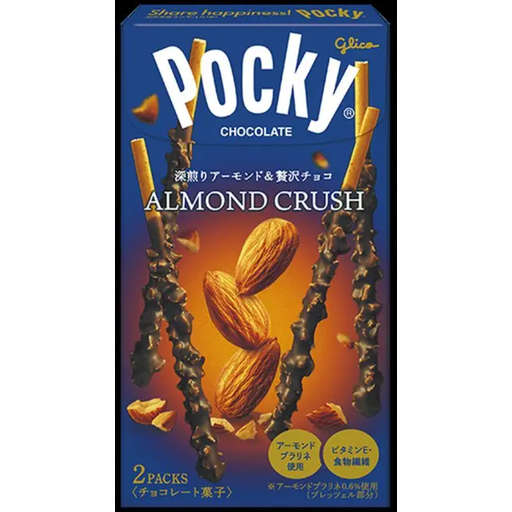
Why this suits the profile: This small pack is ideal for trying Japanese snacks without buying a large quantity straight away. The biscuit sticks are practical for a break, lunchbox or snack on the go.
The net weight of 46.2 grams is clearly stated. This makes it easier to compare the price with larger bars or multipacks.
Biscuit sticks with a cookies-and-cream flavour, handy packaging and clear allergen information: wheat, milk and soya.
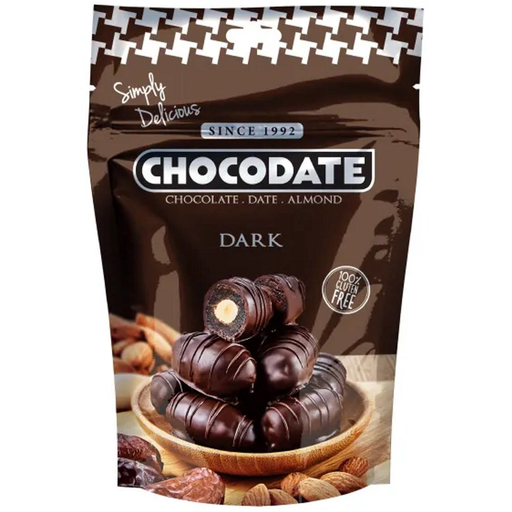
Why this suits the profile: A more refined combination of dates, almonds and dark chocolate for those who want more texture than a standard chocolate bar offers.
The product information mentions whole dates, almonds and 85% cocoa solids in the dark chocolate. Do check the current label before buying.
90 grams, suitable for vegetarians according to the product information and stated to be palm oil-free. Contains milk, soya and almonds.
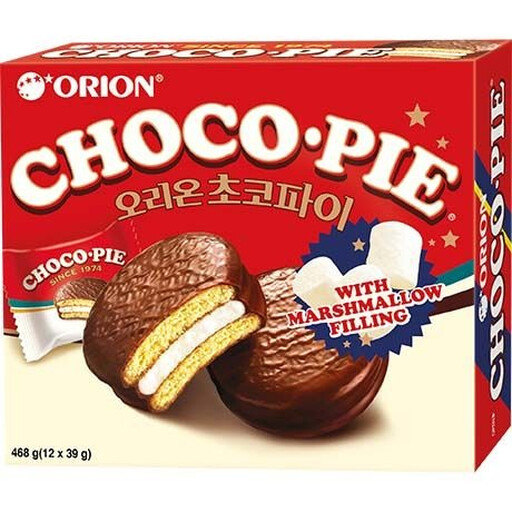
Why this suits the profile: The 468-gram pack is ideal for families, offices or times when you want to share Korean snacks.
The larger size makes the portion size and total quantity clear. So it’s more obvious that you’re buying a multi-pack and not one large bar.
A combination of cocoa, dairy and wheat-based pastry. Allergens include gluten, milk, egg and soya; also check the warning for possible traces.
We’ve put together a full, up-to-date list of products that fully meet these strict selection criteria and comply with current European safety regulations.
Small, individually wrapped products like Pocky, KitKat or a small wafer are practical. They take up little space and you don’t have to open a whole bar straight away. Keep chocolate in a bag out of the sun and check the packaging for damage.
Generally, store them cool, dry and away from direct sunlight. A fridge isn’t always necessary and can cause condensation when the chocolate is later brought to room temperature. Follow the storage instructions on the packaging and seal opened bags or boxes properly.
Compare the net weight, price per 100 grams, ingredients, allergens, nutritional information, best-before details and delivery terms. With international products, it’s wise to check the Dutch-language or current labelling again when you receive them. That way you choose chocolate snacks that suit your taste, when you’ll eat them and your budget.
