
Vandaag of morgen in huis

Kwaliteit gegarandeerd

Welkomstaanbiedingen ontgrendelen: GRATIS bezorging | Tot 80% korting | Gratis 30 dagen JoyPlus-proefperiode
Download de app
Looking to buy Chinese snacks for home, on the go or for an evening with friends? The selection of Asian snacks is extensive, ranging from spicy gluten snacks and dried tofu to marinated eggs, chicken feet and ready-to-cook frozen products. However, the packaging does not always make it immediately clear what you are getting.
Keep an eye out for three common pitfalls:
Do not compare only the price per pack. Also look at the net weight and the number of servings. A 50-gram bag of konjac is suitable for a single snacking occasion, while a 500-gram pack of dough sticks is better suited to several people or multiple eating occasions.
Also check the preparation instructions:
A product with a longer shelf life is not automatically more convenient if it needs to be refrigerated after opening.
When buying Chinese snacks, it is wise to review the ingredients list before looking at the product photo. Pay particular attention to:
A plant-based snack may therefore be suitable for vegetarians but not for someone avoiding soy or gluten. Always check the label on the packaging you receive, as ingredients and allergen warnings may change.
Spicy Chinese snacks often contain salt, sugar, oil and flavour enhancers. That does not necessarily make them unsuitable, but it is useful information when putting together a snack selection.
Some examples from the product information:
Use these figures to combine products thoughtfully. For example, pair a salty chicken-foot snack with a milder tofu snack and serve smaller portions. Nutritional values are not health advice; they mainly help you compare labels from one product to another.
The selection below is based on verifiable information from the product descriptions, including weight, ingredients, allergens, nutritional values and preparation method. Claims about an “authentic” or traditional flavour are statements made by the brand or included in the product listing, not independently verified quality assessments.
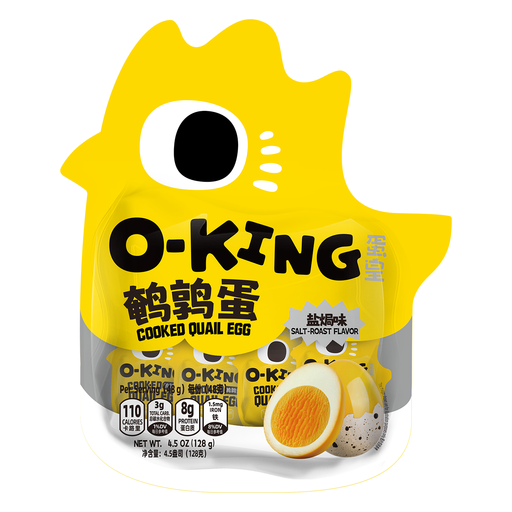
Why it is a good fit: Individually packed quail eggs are easy to take with you and share. The pack contains approximately 16 eggs, and the snack is ready to eat.
The product clearly states the number of eggs, weight, preparation method and allergens: egg, soy and wheat gluten.
128 grams, individual portions and ready to serve. Per 100 grams: 227 kcal and 1.7 grams of salt.
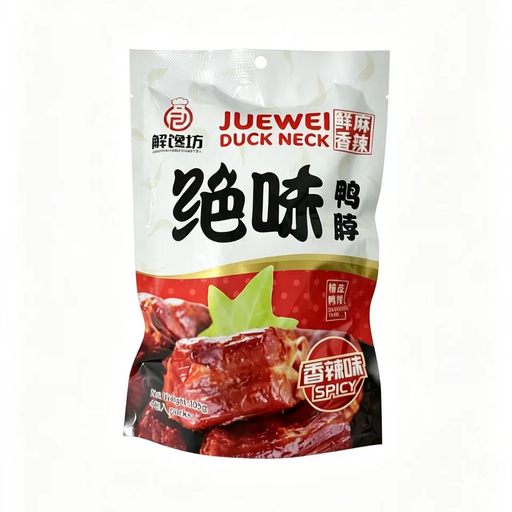
Why it is a good fit: For anyone looking for a satisfyingly chewy snack to enjoy with a drink. According to the product description, the flavour is inspired by Sichuan-style seasoning and the product is ready to serve.
The ingredients list specifies 95% duck neck and explicitly identifies soy and wheat as allergens. This makes clear that it is not a vegetarian snack.
105 grams, ready to eat and 27 grams of protein per 100 grams according to the stated nutritional information.
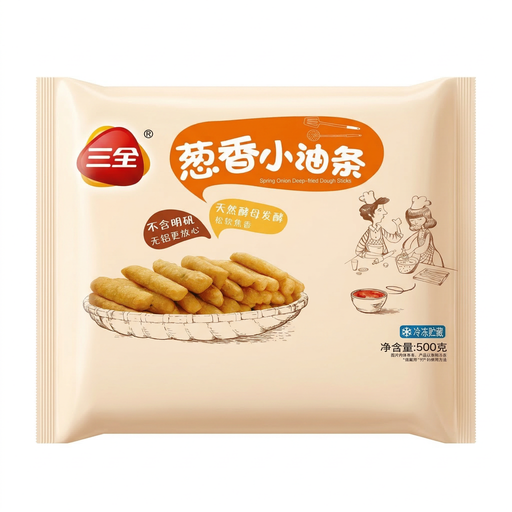
Why it is a good fit: The 500-gram bag is practical for parties, breakfast or a hotpot meal. Cook it straight from frozen in the oven, air fryer or deep fryer.
The preparation instructions are clear: cook from frozen and do not refreeze after thawing. Store at a maximum of -18 °C.
500 grams, several preparation options and spring onion listed as a clearly identified ingredient. Contains wheat gluten and soy.
Browse a current selection of Chinese marinated snacks and compare flavour, packaging, ingredients and preparation method before ordering.
For a varied snack platter, combine different textures:
Many dried tofu products, tofu jerky, konjac snacks, eggs, chicken feet, duck neck and gluten snacks are ready to eat straight from the pack, according to the product information. Always check the usage instructions. Rou Jia Mo and frozen dough sticks must be heated first.
Look for products made with soy protein, tofu, konjac or wheat gluten, such as Yuxiniang Vegetarian Chicken and various Wuxianzhai snacks. However, always check the full ingredients list. “Vegetarian” does not mean that a product is free from soy, gluten, sesame or other allergens.
Dry, unopened snacks should generally be stored in a cool, dry place away from direct sunlight. After opening, some products need to be refrigerated and consumed promptly. Store frozen products at -18 °C or below. Always follow the date and storage instructions on the packaging.
