
Vandaag of morgen in huis

Kwaliteit gegarandeerd

Welkomstaanbiedingen ontgrendelen: GRATIS bezorging | Tot 80% korting | Gratis 30 dagen JoyPlus-proefperiode
Download de app
Are you looking to buy Chinese snacks, but not sure which bag best suits your taste? The range of Asian snacks varies widely, from sweet-and-sour plums and candied fruit to red dates and soft mochi. A striking packet tells you very little about the actual flavour, texture or ingredients.
Watch out for three common pitfalls:
Start with the first ingredients on the label. These are listed in descending order by quantity. With Bestore Candied Hawthorn, the product information states it contains 67.73% hawthorn, supplemented with rock sugar and white sugar. That gives you a much clearer picture than just the product name “candied hawthorn”.
Also compare the nutritional values per 100g. For example, the Bestore hawthorn snack contains 65g of sugar per 100g. That’s useful information if you plan to eat several portions or want to compare different Chinese snacks.
Also look out for warnings:
The name gives you a general idea, but the product description provides the practical details:
Choose a soft snack if you want to enjoy it slowly with tea. For on the go, individually wrapped mochi or small bags of dried fruit are more practical.
A portion size of 60 to 120g is handy for trying a flavour first. Larger packs, such as 280g or 500g, make more sense for families or a snack table. Do check whether the packaging is resealable.
Store dried fruit and candied fruit according to the product information in a cool, dry place, away from sunlight and moisture. Seal the opened bag properly. Mochi can become hard after opening; the product information for Bamboo House recommends an airtight container.
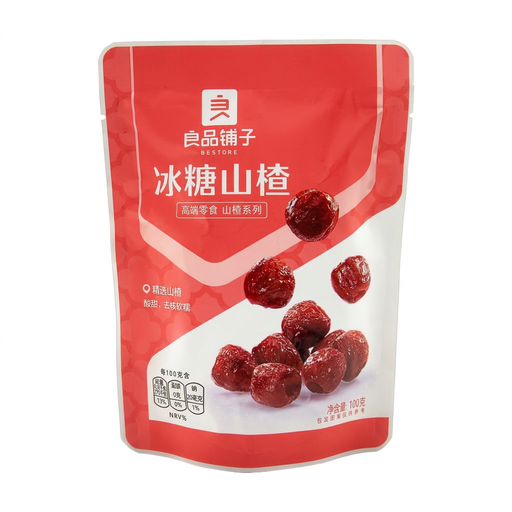
Why this fits the profile: A straightforward 100g pack to try the distinctive sweet-and-sour taste of candied hawthorn first.
The product information states the hawthorn content of 67.73% and clearly shows the ingredients and nutritional values.
100g, ready to eat and, according to the product description, also suitable for use in fruit tea.
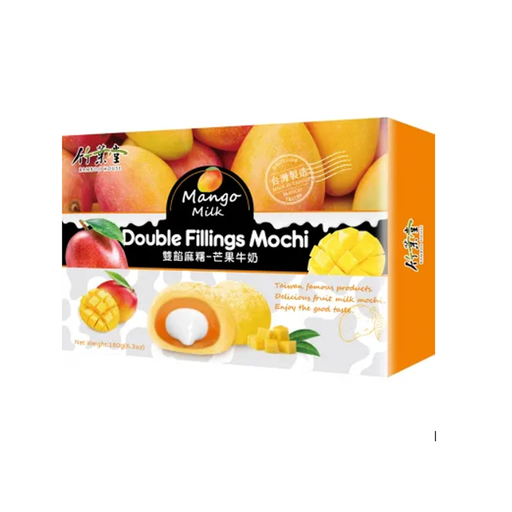
Why this fits the profile: For those looking for a dessert-like snack with multiple textures: a soft glutinous rice layer, mango filling and milky centre.
The product description specifies the double filling and lists allergens such as milk and egg.
180g, individually wrapped and made in Taiwan according to the product information provided.
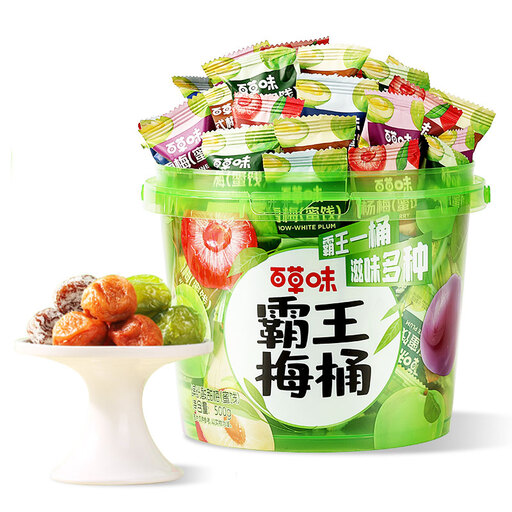
Why this fits the profile: The bucket with 70 individual wrappers is designed for sharing, stocking up or regularly taking a plum snack with you.
The packaging and composition make it clear that this is five types of preserved plums, containing sulphites and sweeteners.
500g, 70 portions and a mix including green plum, waxberry and Suzhou plum.
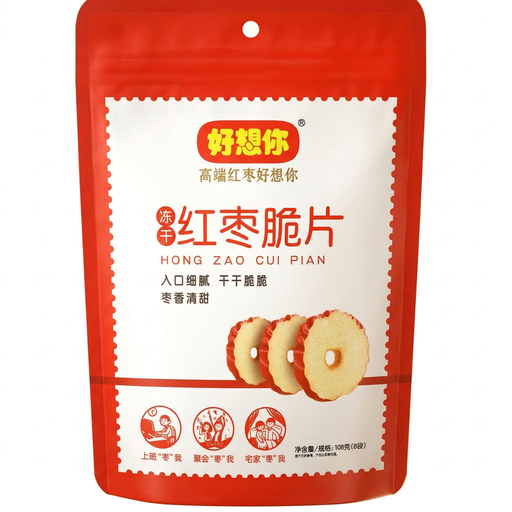
Why this fits the profile: A simple choice for anyone wanting to try red dates in a crunchy, light form without a long ingredients list.
According to the product information, the product consists of red dates with no listed additives.
108g, crunchy texture and ready to eat straight from the pack.
We’ve put together a full, up-to-date list of products that fully meet these strict selection criteria and comply with current European safety regulations.
A small pack of candied hawthorn, dried plums or crispy red dates is practical to start with. If you prefer a soft dessert-style snack, you can buy mochi. Check beforehand whether you expect a sweet-and-sour, salty or just a mildly sweet flavour.
Store the snack in a cool, dry place away from direct sunlight. Seal the bag well to limit moisture and flavour loss. After opening, store mochi preferably in an airtight container so the rice layer doesn’t dry out as quickly. Always follow the instructions on the packaging.
That depends on your portion size and the ingredients. Dried and candied fruit can contain relatively high amounts of sugar or salt. So check the nutritional information table per 100g and look out for warnings about sweeteners, sulphites and allergens. That way you can choose a snack that fits your diet, without relying on marketing claims.
