
Vandaag of morgen in huis

Kwaliteit gegarandeerd

Welkomstaanbiedingen ontgrendelen: GRATIS bezorging | Tot 80% korting | Gratis 30 dagen JoyPlus-proefperiode
Download de app
When you buy Chinese snacks and pastries online, you’re quickly faced with plenty of choice: from mooncakes and sachima to egg yolk buns, egg biscuits and filled egg rolls. Yet a striking packet doesn’t always tell you about taste, portion size or ease of use. With a few checks, you can avoid a snack that disappoints, one you buy too much of, or one that doesn’t suit the occasion.
Words like “egg yolk”, “custard” or “durian” often describe the flavour direction, but not automatically the amount of the ingredient. So check the quantitative ingredient declaration. For example, the Bakery Village Egg yolk bun states that the salted egg yolk filling makes up at least 14%, and the salted egg yolk within that is at least 24%.
A pack of 320 to 526 grams looks appealing when you’re sharing with family or entertaining guests. For one person, however, a large size can be less practical, especially with products that quickly lose their crispy texture once opened. Individual wrappers, as found with some sachima, egg rolls and egg biscuits, help with storage and portion control.
Many Chinese biscuits, rice snacks and mooncakes are ready to eat. Frozen dim sum snacks are not. For example, SAN QUAN Steamed Egg Yolk Bun must be prepared from frozen. Freshasia Salted Yolk Custard Bun is also a raw frozen product that needs thorough steaming. So always check the preparation method, storage temperature and best-before date.
Chinese snacks often contain wheat or gluten, egg, milk, soya, peanuts, nuts and sesame. This applies to mooncakes, custard buns and filled egg rolls, among others. Read the allergen information on the product page and also check the label on the packaging when it arrives.
Also pay attention to the order of ingredients. Ingredients are usually listed in descending order by quantity. With Mi Lao Tou Egg Yolk Pancake Original Flavour, the base is wheat flour, sugar, palm oil and starch. Egg makes up 0.5% and milk powder 0.2%. So this is a crispy snack with egg and milk flavour, not a product with a large egg filling.
Compare products on the same basis: per 100 grams. This way you can see the difference between small and large packs. HSUFUCHI Sachima Classic Egg Flavour contains, according to the product information, 510 kcal, 28.8 grams of fat and 35.6 grams of sugar per 100 grams. The variant with 30% less sugar lists 491 kcal, 28.7 grams of fat and 12 grams of sugar per 100 grams.
“30% less sugar” should be read as a comparison within the product range, not as a general nutritional claim. The variant also contains sweetener, and the packaging warns that excessive consumption may have a laxative effect.
For shelf-stable Chinese biscuits and snacks, a cool, dry place is usually suitable. Seal opened packs well to limit moisture and loss of crispness. Frozen products need to be stored at -18 °C or lower.
Also check the practical preparation. SAN QUAN buns can be steamed for 10 to 12 minutes according to the product information. Freshasia buns need around 8 to 10 minutes of steaming time and do not need to be defrosted. A microwave can be handy, but always follow the manufacturer’s instructions and check that the filling is piping hot all the way through.
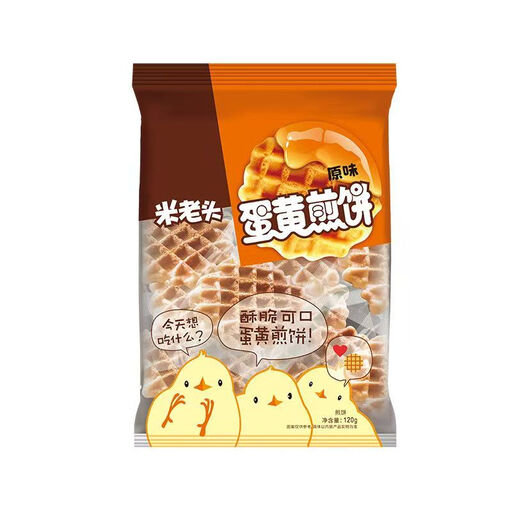
Why this fits the profile: A compact pack with individually wrapped snacks for a first introduction to Chinese egg biscuits.
The 120-gram size limits the risk of buying too much. The ingredients and the egg and milk percentages are clearly stated.
120 grams, individually wrapped, ready to eat and 485 kcal per 100 grams according to the product information.
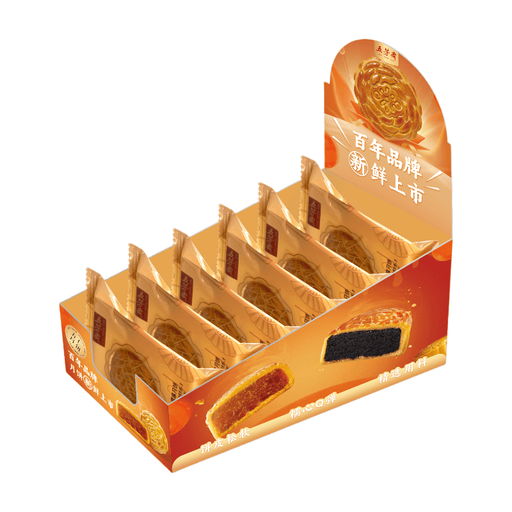
Why this fits the profile: Designed for a celebratory tea moment, sharing with guests or as a gift with multiple portions.
The packaging states six pieces, 57.94% mixed nut filling and 9.5% salted egg yolk. This makes the composition verifiable.
360 grams, six individual mooncakes, ready to eat and suitable for serving with tea.

Why this fits the profile: For those who want to prepare dim sum snacks or egg yolk buns regularly for breakfast, lunch or a snack.
The product information clearly states that the buns must be stored frozen and prepared from frozen.
360 grams, steam in 10 to 12 minutes and 263 kcal per 100 grams according to the stated nutritional values.
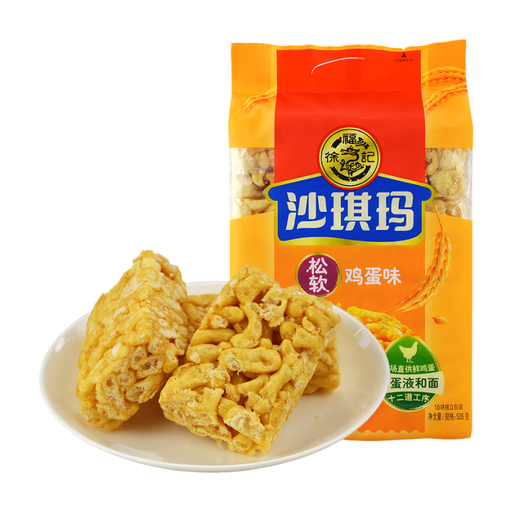
Why this fits the profile: A large supply for the office, guests or multiple tea and coffee breaks.
The large size makes most sense when you’re sharing. The packaging states egg 14% and milk powder, plus a portion-friendly individual wrapper.
526 grams, ready to eat and individually wrapped. Contains, according to the label, 510 kcal and 35.6 grams of sugar per 100 grams.
We’ve put together a full, up-to-date list of products that fully meet these strict selection criteria and current European safety regulations.
That depends on the product. Shelf-stable mooncakes, biscuits, sachima and many egg rolls are ready to eat. Frozen products such as custard buns and steamed egg yolk buns must first be steamed or heated according to the label.
Store shelf-stable snacks in a cool, dry place and keep them well sealed. This helps crispy products stay pleasant in texture for longer. Frozen products should be stored at -18 °C or lower. Do not refreeze a product if the packaging advises against it.
Check whether the product contains a real egg yolk filling, egg yolk powder or just a flavouring. Also look at the stated percentage, allergens such as egg and milk, the nutritional values per 100 grams and the preparation instructions. This way you can compare egg yolk snacks, mooncakes and buns based on concrete information rather than just the product name.
