
Vandaag of morgen in huis

Kwaliteit gegarandeerd

Welkomstaanbiedingen ontgrendelen: GRATIS bezorging | Tot 80% korting | Gratis 30 dagen JoyPlus-proefperiode
Download de app
When you buy Chinese sauces online, you’ll quickly spot dozens of bottles and jars with very similar labels. A Chinese soy sauce, hoisin sauce or chilli sauce might look appealing, but the differences in salt, sugar, ingredients, volume and usage matter far more than flashy marketing claims. With the right checks, you’ll buy a sauce you’ll actually use in stir-fries, marinades, noodles, dips or hotpot.
A well-known brand tells you something about its origin and recipe, but it doesn’t automatically mean the sauce is right for your dish. An oyster sauce with 1% oyster extract has a very different composition to a variant with 3%. Likewise, two light soy sauces can differ significantly in salt and sugar content.
Always check the ingredients list, nutritional values and allergen information. According to the manufacturer’s product information, claims about traditional production or authentic flavour cannot be separated from the actual composition shown on the label.
Hoisin sauce, char siu sauce and sweet and sour sauce generally contain more sugar than light soy sauce. They are intended for different uses. A sweet and sour sauce works well as a glaze or dip, but isn’t always suitable as a base for a salty stir-fry sauce.
With chilli sauce, also pay attention to the ratio of chilli, oil, sugar and salt. A sauce with a lot of oil can taste powerful, but it’s less convenient if you only want to add a little heat to a soup, noodle dish or marinade.
A 750 ml bottle might seem attractive for daily use, but opened sauces often need refrigeration. Check the storage instructions after opening and estimate how much you’ll actually use. A smaller pack can be more practical if you want to try a sauce first or only cook Chinese dishes occasionally.
Many Chinese seasonings contain soya and wheat. This applies to various types of Chinese soy sauce, bean sauce, hoisin sauce and oyster sauce. Oyster sauce also contains molluscs. Read the allergen information carefully, even if you’ve bought the product before.
Examples from the range:
The packaging remains the final authority, as recipes and labels can change.
Soy sauce is concentrated. Haday Superior Light Soy Sauce lists 14.3 grams of salt per 100 ml; Lee Kum Kee Premium Light Soy Sauce lists 18 grams per 100 ml. So use both sparingly and taste before adding extra salt.
With sweet sauces, the sugar content is higher. Lee Kum Kee Sweet & Sour Sauce lists 31 grams of sugar per 100 grams, and the Char Siu Sauce lists 54 grams per 100 grams. That’s fine for glazing and marinating, but it’s something to bear in mind if you want a less sweet dish.
Choose your sauce based on your cooking routine:
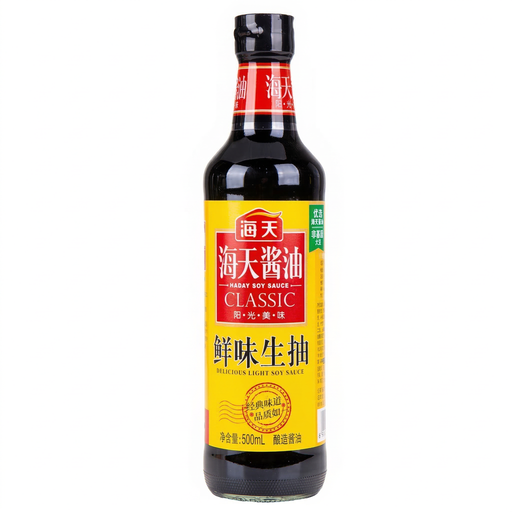
Why this fits the profile: A versatile base for anyone starting out with one Chinese soy sauce. According to the product information, the sauce is suitable for stir-frying, marinating, cold dishes and dips.
The 500 ml volume is manageable for daily use. The listed nutritional values and allergens make comparison easier.
500 ml; suitable for multiple cooking methods; made in China according to the product listing.
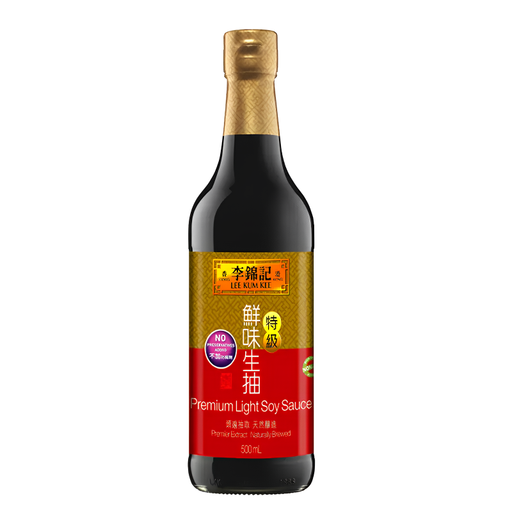
Why this fits the profile: Ideal for home cooks who want a reliable base for dips, marinades and stir-fries, and who like to compare product specifications beforehand.
The nutritional information lists 18 grams of salt per 100 ml. This allows you to adjust the quantity precisely and avoid uncontrolled extra salting.
500 ml; ingredients include soya beans and wheat; suitable for dipping, marinating and cooking.
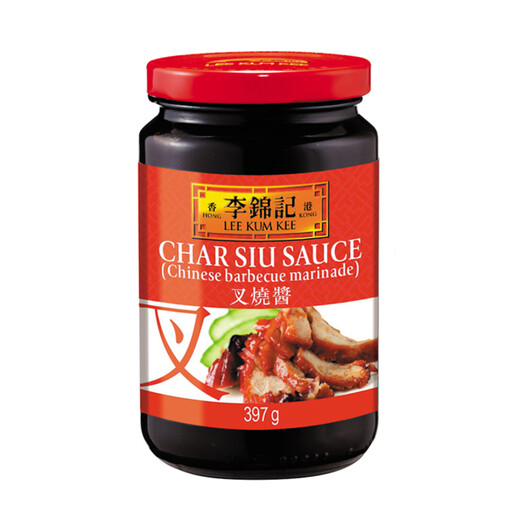
Why this fits the profile: For those who regularly marinate meat, tofu or vegetables and want a ready-to-use glaze for the oven, air fryer, grill or pan.
The product is specifically intended as a marinade and glaze. The usage instructions recommend 70–100 grams of sauce for 500 grams of pork.
397 grams; suitable for multiple cooking methods; contains soya and wheat, clearly listed as allergens.
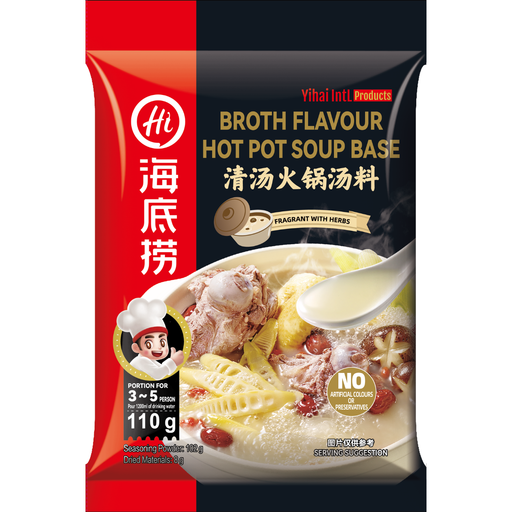
Why this fits the profile: A practical choice for a hotpot evening or a spiced base for soup, without having to measure out several individual seasonings.
The instructions state 110 grams for approximately 1,200 ml of water. This allows you to control the concentration better than by using guesswork.
110 grams; contains red dates and goji berries according to the product information; refrigerate after opening and use within 2 days.
We’ve put together a full, up-to-date list of products that fully meet these strict selection criteria and comply with current European safety regulations.
For everyday cooking, you don’t need ten different bottles straight away. A logical starting point is:
Store opened products according to the label. Use clean spoons, seal jars properly and check the best-before date and packaging before using a sauce.
Start with light soy sauce. For more depth, you can add a small amount of oyster sauce or hoisin sauce. Use dark soy sauce mainly when you want colour and a deeper flavour.
Light soy sauce is generally intended for seasoning, marinating, dipping and general cooking. Dark soy sauce is mainly used for colour and flavour depth in stews, braised dishes and marinades. Use dark soy sauce sparingly, as the colour can quickly dominate.
This varies by product. Many sauces need to be refrigerated after opening. The hotpot soup base above must be refrigerated after opening and used within 2 days, according to the product information. Always check the label for the specific storage time and don’t use any product where the packaging is bloated or damaged.
