
Livraison le jour même et le lendemain

Qualité garantie

Débloquez vos offres de bienvenue: Livraison GRATUITE | Jusqu'à -80 % | 30 jours d'essai gratuits à JoyPlus
Téléchargez l'application
Chinese noodles are handy for a quick meal, but the range varies greatly in texture, preparation and flavour. A bag of wide noodles isn’t automatically suitable for a stir-fry, and a pot of instant noodles can contain significantly more salt from the sauce than you’d expect from the packaging alone.
So when you buy Chinese noodles online, it pays to look beyond a flashy packet or a promise of “authentic” taste. Pay particular attention to these three pitfalls:
The shape largely determines how the noodle behaves in a dish.
Think ahead about the end result. If you’re after chewy noodles for a thick sauce, choose a thick or wide variety. For a light broth, udon or dried wheat noodles are more practical.
The term “instant” doesn’t always tell you exactly what to do. For some products, steeping in boiling water for 5 to 6 minutes is sufficient. Other types of Chinese noodles need to be boiled in a pan.
Look out for these points:
Cooking time is also important for texture. A product like Chen Ke Ming Extra Wide Wavy Noodles requires around 7 to 9 minutes according to the product information. Thinner instant noodles are often ready more quickly.
Wheat flour is common in Chinese noodles and udon. So always check the allergen information for wheat or gluten. Some seasonings also contain soya, sesame, peanut or mustard.
Instant noodles often come with several sachets of oil, sauce, vinegar and spices. The nutritional values can vary from product to product. For example, A’KUAN Broad Noodle Spicy Hot Flavor states 4.5 grams of salt per 100 grams, while Hakubaku Udon Noodles contain 1.8 grams of salt per 100 grams according to the product information. These values aren’t directly comparable when the preparation method or portion size differs, but they do help with comparison.
Choose the packaging based on your use:
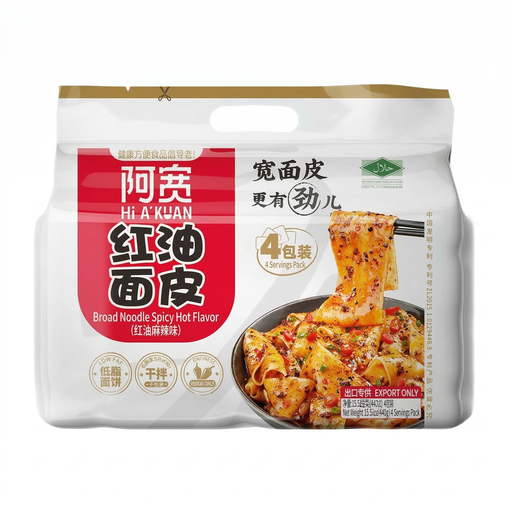
Why this fits the profile: The wide noodles are prepared in 5 to 6 minutes with boiling water according to the product instructions. The included sauce and spices mean extra ingredients aren’t necessary.
The preparation time and steps are clearly stated. Do check the allergens: the product information mentions wheat and soya.
440 grams per pack, wide chewy noodles and preparation without a hob.
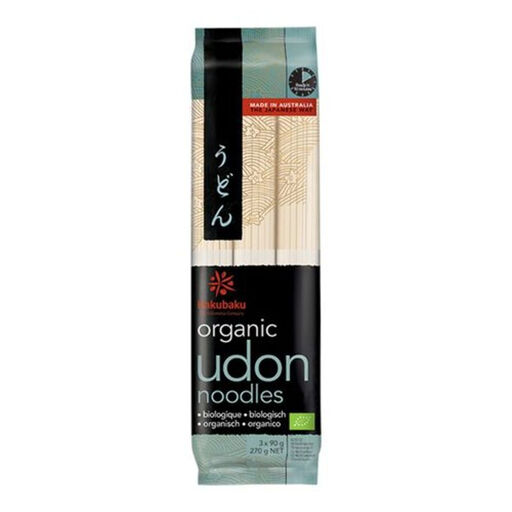
Why this fits the profile: The ingredients list is short: wheat flour, salt and water. The thick noodles are suitable for light soups and stir-fries.
The packaging describes the type of noodle and its main use, so you won’t easily confuse it with rice noodles or instant noodles.
270 grams, wheat udon with 64.7 grams of carbohydrates and 7.2 grams of protein per 100 grams according to the product information.
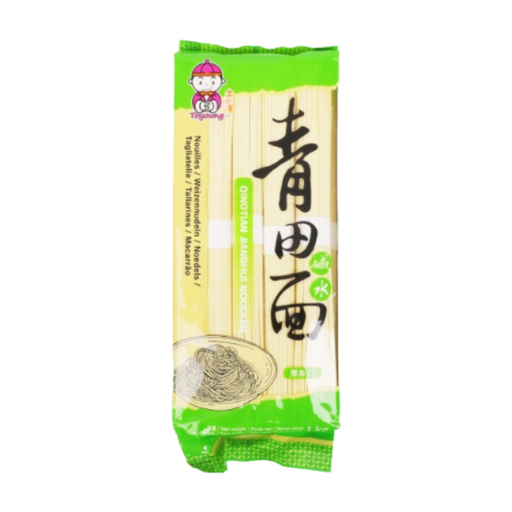
Why this fits the profile: The 1-kilogram pack is aimed at regular cooking. According to the product description, the noodles are suitable for soup, stir-fries and cold preparations.
The possible uses and cooking instructions are stated. You’re buying a dry base noodle without pre-portioned sauce, so you control the flavour and portion size yourself.
1 kilogram content, firm texture and a composition of wheat flour, salt and edible alkali.
Spicy instant noodles, such as Sichuan noodles with chilli oil, are quick to prepare and need few extra ingredients. Do check how much sauce you use and read the allergen information. With a neutral base, like udon, wide dried noodles or rice noodles, you can add your own broth, vegetables, tofu, egg or meat.
If you’re looking for noodles for soup, pay attention to how well they hold up during cooking and their thickness. For stir-fry noodles, wide or wavy varieties are practical because they hold sauce well. For hotpot, soft starch noodles and udon work well, as long as you heat them according to the instructions.
We’ve put together a full, up-to-date list of products that fully meet these strict selection criteria and comply with current European safety regulations.
Follow the instructions on the packet. Usually you place the noodle block in a bowl, add boiling water and leave it covered for 5 to 6 minutes. Then drain the water if instructed and stir in the sauce sachets.
Unopened dry noodles can be stored until the best-before date on the packet, provided they are kept dry, cool and out of direct sunlight. Seal an opened packet tightly. It’s best to consume prepared noodles immediately according to the product instructions.
Wide noodles, alkaline noodles, udon and wavy wheat noodles are practical choices for a wok. Cook or soak them first according to the packet, drain them well and then add them briefly to the pan. Pay attention to thickness: thinner noodles need less time and can soften more quickly.
