
当日/次日达

品质保障

开启新人专享福利: 全场免邮 | 低至 2 折 | 免费试用 30 天 JoyPlus 会员
下载 Joybuy
Are you looking to buy Chinese instant noodles, but struggling to tell the difference between all the red packaging and flavour claims? When it comes to spicy noodles, it’s not just about how much chilli is in them. The type of noodle, preparation method, sauce sachets and portion size all play a huge part in whether your purchase is right for you.
For students, busy professionals and fans of Chinese cuisine, instant noodles are a handy quick meal or store-cupboard staple. However, there are a few pitfalls you can avoid before you buy.
A product with chilli can be sweet-spicy, sour-spicy, aromatic or mala. Mala refers to the combination of chilli heat and the tingling sensation of Sichuan pepper. So a noodle with red oil isn’t automatically the same as a Sichuan or Chongqing noodle.
Always check the flavour description and the sachets included. Sichuan pepper, sesame, vinegar, bean paste and chilli oil each give a different result. With instant noodles with chilli, it’s also important whether you add all the oil or can adjust the amount yourself.
A bulk pack can be convenient, but pay attention to the number of individual portions and the net weight. A box with several small sachets is ideal for regular use. A large pack with a single opened portion, on the other hand, needs to be properly sealed and stored in a dry place.
Also check the nutritional information per 100g and per portion. Some products contain relatively high levels of salt or fat due to the oil and flavour sachets. That doesn’t make them unsuitable, but it does help you make an informed choice.
Some wide noodles are ready in five to six minutes with boiling water. Other varieties need to be cooked for three to eight minutes, after which you add the broth, sauce or oil. A microwave pot may require a different method altogether.
So check before you buy whether you have access to a kettle, hob or microwave. That way, you avoid a quick meal becoming impractical.
Wide Chinese noodles tend to hold more sauce than thin noodles. They have a firm, springy bite and work well with red oil noodles or Dan Dan noodles. Thin noodles and vermicelli are often quicker to cook and can be nicer in soup.
Check the preparation instructions. Baijia A’KUAN wide noodles need to be steeped in boiling water for five to six minutes according to the product info. HUI JI Youyimian noodles require five to eight minutes of cooking. That difference matters if speed is your priority.
A dry mix with sauce sachets generally gives a different eating experience from a Chinese noodle soup. With dry noodles, you usually drain the water completely and then mix in the oil, vinegar or spices. With soup noodles, some of the cooking water is kept.
For fans of Sichuan noodles, Sichuan pepper, sesame paste and chilli oil are key markers. With Chongqing noodles, you often see a combination of chilli, sesame, Sichuan pepper and spices. Always read the ingredients list to compare marketing language with verifiable product specifications.
Many Chinese instant noodles contain wheat and gluten. Soya, sesame, egg, peanuts and mustard are also common. Check the allergen information on the product page and on the packaging, especially if you’re buying a mixed bundle.
Store unopened products in a cool, dry place away from direct sunlight. Once opened, you should prepare and eat the noodles immediately according to the product information. The packaging is always the final guide for the best-before date, preparation method and storage.
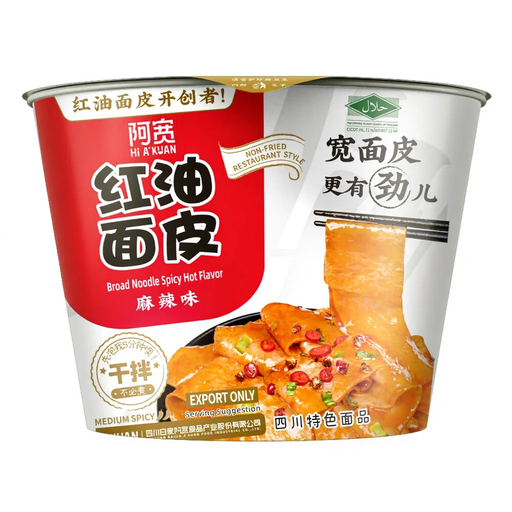
Why it fits this profile: A single pot is practical for getting to know wide noodles and the combination of chilli and Sichuan pepper, without buying a large stock straight away.
The product information clearly states a 110g portion and preparation with boiling water for five to six minutes.
Wide, non-fried noodles; chilli oil, spices, vinegar and dried spring onion are supplied separately.
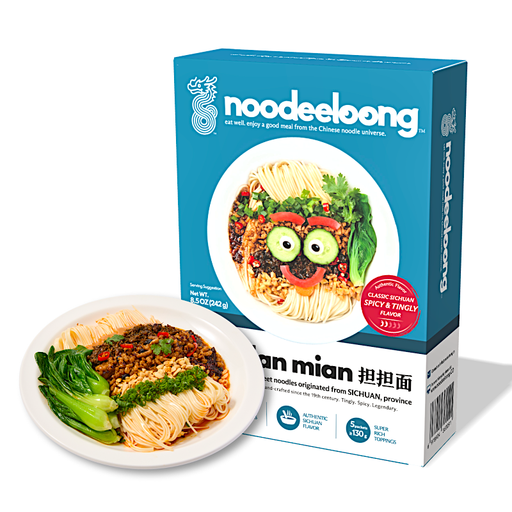
Why it fits this profile: Ideal for anyone looking for a sauce-based meal with sesame paste, chilli oil and Sichuan pepper, and who likes to add their own toppings.
The instructions describe cooking separately, mixing the sauce with a few tablespoons of cooking water and then tossing. So you know in advance what’s needed.
Sauce sachets with sesame paste and chilli oil; preparation time of around four to five minutes; suitable for toppings like spring onion or peanuts.
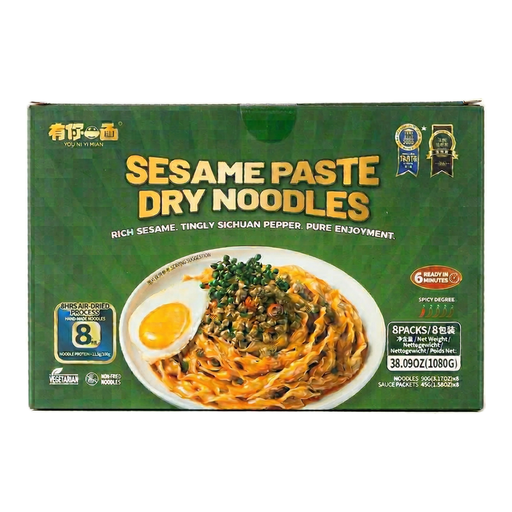
Why it fits this profile: An eight-pack suits households that eat Sichuan noodles more often or want to build up a store of quick meals.
The packaging states eight portions of 135g, a cooking time of five to eight minutes and a clear allergen declaration for wheat, soya and sesame.
Bulk pack of 1080g; wide noodles; sauce with sesame paste, chilli and Sichuan pepper.
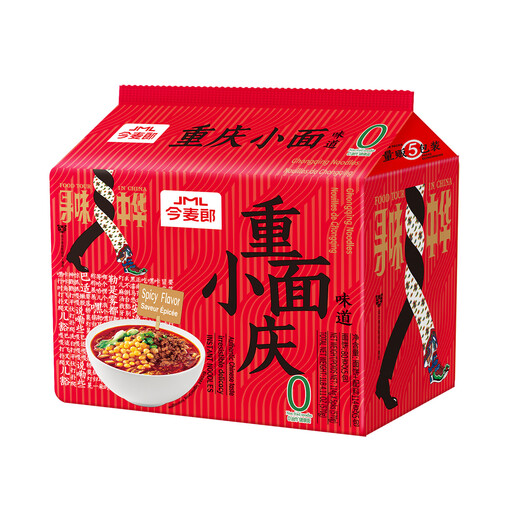
Why it fits this profile: A five-pack is handy for anyone who wants to prepare a hearty, spicy bowl of noodles using a hob and around 550ml of water.
The instructions give a cooking time of three minutes and explain when to add the sauce sachet. Plus, you can adjust the flavour to your taste.
Five portions of 114g; sauce with chilli, sesame and Sichuan pepper; dried vegetables included.
We’ve put together a full, up-to-date list of products that fully meet these strict selection criteria and comply with current European safety regulations.
Unopened noodles can usually be stored until the best-before date if kept in a cool, dry place away from direct sunlight. The exact date is on the packaging. After opening or preparing, instructions vary by product; some must be consumed immediately.
No. There are mild broth varieties, sweet-spicy sauces, sour-spicy noodles and pronounced mala noodles with Sichuan pepper. Check the flavour name, ingredients and any chilli oil before you order.
Both cuisines often use chilli and Sichuan pepper, but the sauce and composition differ by product. Sichuan varieties are often associated with sesame, Dan Dan sauce and red oil. Chongqing varieties tend to emphasise a spicy, aromatic sauce with chilli and Sichuan pepper in the product description. The packaging and ingredients list give the most concrete information.
