
Same-day & Next-day Delivery

Quality Guaranteed

Unlock Your Welcome Offers: FREE Delivery | Up to 80% OFF | Free 30-day JoyPlus trial
Download the APP
Chinese bao buns are perfect for breakfast, a quick lunch, a snack, or a table full of Asian dim sum. Straight from the freezer, many varieties are on the table in just a few minutes. Yet packaging can sometimes look more alike than the contents. If you rely only on photos or terms like “traditional”, you could end up choosing a product that doesn’t match the flavour, preparation method or dietary preference you had in mind.
This buying guide from the Joybuy Product Recommendation Officer will help you focus on verifiable information: the filling, allergens, weight and cooking instructions.
Not every bao is filled with meat or vegetables. Sweet bao buns with black sesame, red bean, taro, brown sugar or custard are better suited to breakfast, dessert or a snack. So always check the name of the filling and the ingredients list before you order.
Most frozen bao buns need to be steamed straight from the freezer. Other varieties require a longer cooking time or are intended for frying. A bun sold raw is not ready to eat. Always follow the instructions on the packaging and never eat the product raw.
Wheat flour, soya, sesame, milk, egg and shellfish are common ingredients in Chinese steamed buns. Meat varieties may also contain ingredients such as gelatine, lard or chicken stock. If you eat a vegetarian diet or have an allergy, you must check the full product information. A label like “vegetable” does not automatically mean the product is suitable for every dietary preference.
First, decide what you want the bao buns for:
A higher stated percentage of an ingredient tells you something about the composition, but it doesn’t alone determine how you will experience the taste or texture.
For steaming bao buns you will need a steamer basket or a steaming pan. Place the buns with space between them on baking paper or a perforated liner. This allows them to expand and reduces the chance of them sticking together.
Many varieties in this range require around 8 to 12 minutes of steaming after the water has boiled. Some raw buns need longer. The instructions on the packaging are the final word. Do not use a microwave unless that method is explicitly stated.
Don’t just compare the price per pack – also compare the net weight. The packs available range from around 240 to 510 grams. Store them at -18 °C or lower and do not refreeze a thawed product. Once opened, it is best to prepare and consume the buns immediately according to the packaging instructions.
Also pay attention to the nutritional values per 100 grams. For example, some sweet varieties contain more carbohydrates and sugars, while savoury buns often contain more salt. These are product details to compare – not a judgement on what you should eat.
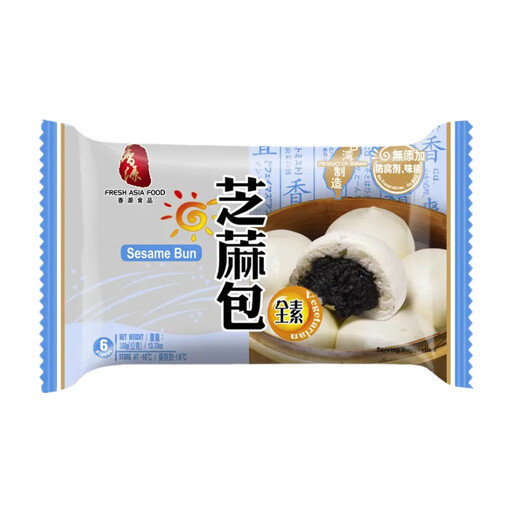
Why this fits the profile: An accessible choice for anyone buying bao buns for the first time who wants to try a sweet snack. The buns are steamed from frozen for 8-10 minutes.
The product name clearly states the black sesame filling. So you won’t expect a savoury meal variety.
390 g pack; black sesame paste; clear steaming time of 8-10 minutes. Contains wheat, sesame and milk.
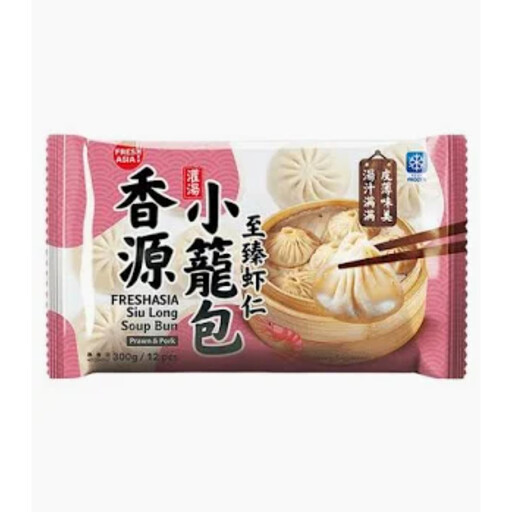
Why this fits the profile: For anyone specifically looking for soup-filled dim sum with pork and prawn. The instructions state 10-12 minutes steaming without defrosting.
The packaging mentions the hot soup filling and advises eating carefully. This prevents a wrong expectation about the texture.
13% prawn and 48% pork according to the ingredients list; serving with ginger and black vinegar is suggested. Contains shellfish, wheat, soya and sesame.
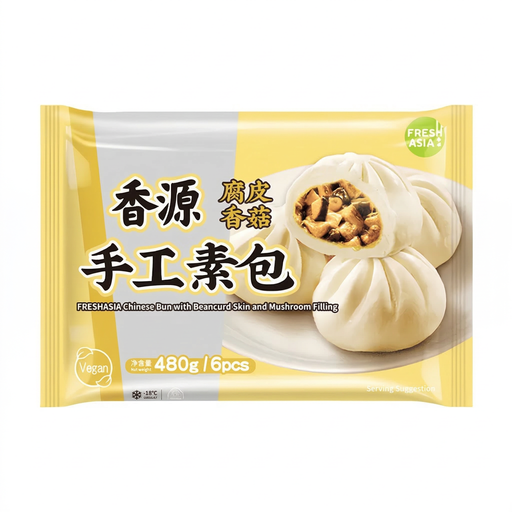
Why this fits the profile: A practical staple choice for fans of vegetarian bao buns and savoury flavours. The larger pack suits multiple eating occasions.
The product information mentions the vegetarian filling and states 10-12 minutes steaming from frozen.
480 g pack; beancurd skin, shiitake and bamboo shoots listed as ingredients; savoury flavour profile. Contains wheat, soya and sesame.
We have compiled a full, up-to-date list of products that fully meet these strict selection criteria and comply with current European safety regulations.
A microwave is only suitable when this is specifically stated on the packaging. For some products, such as taro buns, frying may be the prescribed method. So always check the individual product rather than relying on one general preparation method.
Most frozen bao buns need around 8-12 minutes after the water has boiled. Raw or larger buns may take longer. The preparation instructions on the packaging take priority.
Usually not. Many Chinese steamed buns go straight from the freezer into the steamer. Defrosting can affect the texture and is not permitted for every product. So check the packaging.
Store them continuously at -18 °C or lower and follow the best-before date on the packaging. Do not refreeze thawed bao buns. Once opened, it is best to prepare them immediately according to the stated instructions.
