
Same-day & Next-day Delivery

Quality Guaranteed

Unlock Your Welcome Offers: FREE Delivery | Up to 80% OFF | Free 30-day JoyPlus trial
Download the APP
Chinese bao buns are perfect for breakfast, lunch, dim sum or a quick snack. Most frozen bao buns don't need defrosting first: just pop them in a steamer basket and heat according to the packet instructions. However, Chinese steamed buns vary considerably in filling, size, allergens and cooking time.
An attractive packet doesn't tell you much about what you'll actually be eating. So pay particular attention to the points below.
A 450g or larger packet might look like good value, but always check how many buns are inside and how much filling each bun contains. With some products, a large proportion is just dough. So look at the ingredients list and the quantitative ingredient declaration, for example the stated percentage of pork or vegetables.
Filled bao buns can be savoury, sweet, vegetarian or soup-filled. A char siu bun, for example, contains pork and soy sauce, whereas a custard bao bun may contain milk and egg. If you're watching out for allergens or eating vegetarian, you need to check the full product information rather than just the front of the packet.
Some Chinese steamed buns need to be steamed straight from the freezer. Other products can be defrosted for an alternative cooking method. Heating for too short a time can leave a cold centre, especially with steamed buns containing pork or xiao long bao with hot broth. Always follow the cooking instructions on the product.
First, choose the type of bao that suits the occasion:
With composite fillings, also check the order of ingredients. Ingredients are usually listed in descending order by quantity. A higher percentage of meat, prawn, mushroom or vegetable gives you more information than a general term like "rich filling".
For shoppers in the UK, the most relevant allergens are wheat and gluten, soya, sesame, milk, egg, crustaceans and molluscs. These can be in the dough, the sauce or the filling. MENGFU Charsiu Bao, for example, lists wheat, soya and molluscs due to the presence of oyster sauce. KUNGFU Juicy Bao Pork & Prawn contains wheat, soya, sesame, milk and crustaceans, among others.
Also look out for warnings such as "may contain traces of". If you have a serious allergy, it's wise to check the packaging again on delivery, as labelling can change.
Don't just compare the price per packet, but also the price per 100g. The products on offer range, for example, from 240g to 450g. Also check:
A frozen product is only practical if you have space in your freezer and you use it in time after opening.
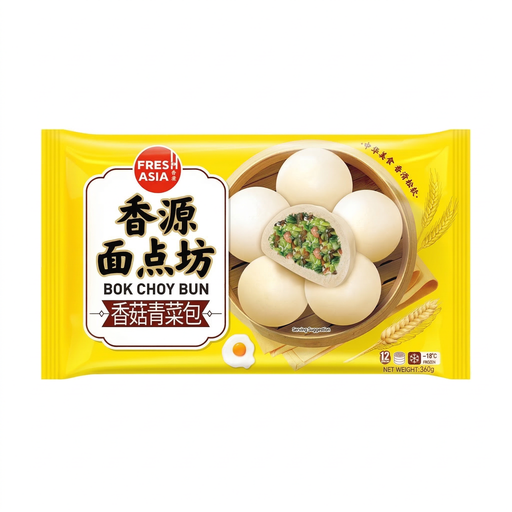
Why this suits the profile: The vegetarian mushroom and vegetable filling is ideal for a simple introduction to bao buns, whether for breakfast or a light snack.
The product information clearly states a vegetarian filling, a net weight of 360g and the allergens wheat and soya.
Vegetarian option, mushroom and vegetable filling and suitable for steaming.
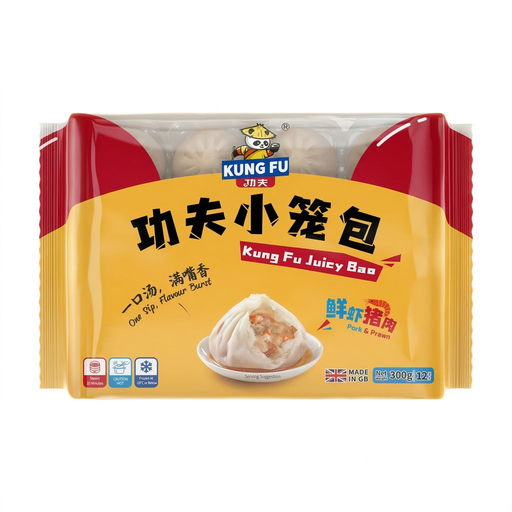
Why this suits the profile: This choice is ideal for fans of a composite, savoury filling with pork, prawn and broth.
The ingredients list 23% or more pork and visible pieces of prawn; the allergen list includes crustaceans, soya, wheat and sesame, among others.
Steaming time of around 8 to 10 minutes and a filling with pork, prawn and broth.
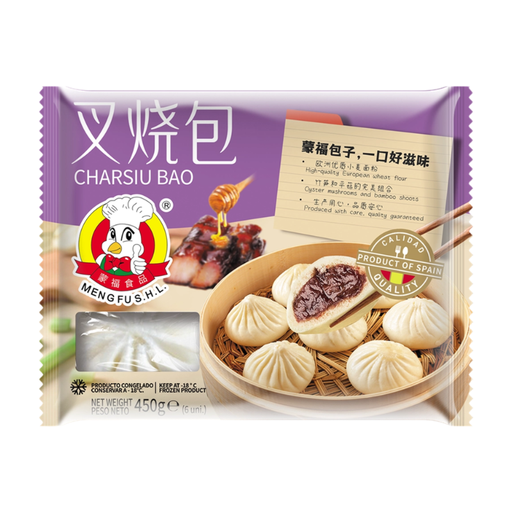
Why this suits the profile: The larger packet is practical for families, guests or multiple eating occasions with a savoury char siu filling.
The product information states 40% filling, with 28% pork, and gives a clear steaming time of around 15 minutes from frozen.
450g per packet and char siu filling with a sweet-savoury flavour profile.
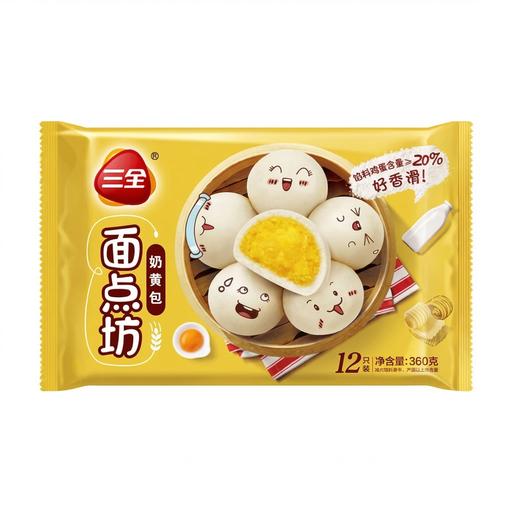
Why this suits the profile: An option for breakfast, dessert or a sweet snack, with a creamy custard filling instead of meat or vegetables.
The ingredients and allergens clearly list wheat, egg, soya and milk. This makes it easier to match the choice to your household's needs.
360g per packet and cooking from frozen in around 10 to 12 minutes.
We've put together a full, up-to-date list of products that fully meet these strict selection criteria and comply with current European safety regulations.
Use a steamer basket with baking paper or perforated steaming paper so the buns don't stick to the bottom. Leave space between the buns; the dough expands during steaming. First bring the water to the boil, then place the basket on top.
Most frozen bao buns are ready after 8 to 12 minutes, but larger packets or thicker buns may need longer. Meat and soup-filled varieties must be piping hot all the way through. Don't cut a xiao long bao open directly over your hand: the hot liquid can spill out.
With many products, yes. Always check the instructions. SAN QUAN Custard Bun and KUNGFU Juicy Bao state that you can steam from frozen. Defrosting can affect the texture and isn't always recommended.
Allow 8 to 12 minutes after the water has boiled. MENGFU Charsiu Bao states around 15 minutes. The exact time depends on the size, filling and how many are in the steamer basket.
Keep them at -18 °C or below and don't refreeze a product after defrosting. Once opened, follow the instructions on the packet; some products need to be used soon after opening. Always check the packaging and best-before date on delivery.
