
Vandaag of morgen in huis

Kwaliteit gegarandeerd

Welkomstaanbiedingen ontgrendelen: GRATIS bezorging | Tot 80% korting | Gratis 30 dagen JoyPlus-proefperiode
Download de app
When you want to buy chilli sauce, you’ll quickly come across dozens of jars, bottles and sachets labelled “authentic”, “extra hot” or “traditional”. Those words don’t always tell you enough about the taste, how to use it, or what’s inside. A sweet Vietnamese sauce works very differently from Chinese chilli oil, Korean chilli paste or a jar of Hunan chilli.
With this practical guide, you can compare products based on verifiable information: ingredients, heat level, size, allergens, storage method and the type of dishes you plan to use the sauce for.
“Hot”, “spicy” and “extra fiery” aren’t standard units of measurement. One sauce is mostly oil and chilli flakes, while another contains a lot of sugar, vinegar or tomato. As a result, the perceived heat can vary enormously.
So look at the ingredients and usage instructions. A product with chilli listed as the first ingredient usually has a different flavour profile from a sauce where water, sugar or oil comes first. Also pay attention to the form: chilli powder and dried chillies deliver concentrated heat, whereas a sweet chilli sauce often tastes milder.
A 500g jar is handy if you cook regularly with gochujang or chilli paste. For occasional use, a 210g or 280g jar can be more practical. Also check the storage instructions. Some products need to be refrigerated after opening; others just need to be kept tightly sealed and stored in a dry place.
Chinese chilli sauce, chilli oil and Korean chilli paste often contain soya, peanuts, sesame, wheat or sulphites. Check the label before you order, especially if you’re cooking for several people. Product information online can change or be incomplete, so also read the packaging when it arrives.
First, decide what you’ll use the sauce for:
Pay attention to the chilli content. Tantanxiang Premium Chopped Chili, for instance, lists 75% fresh chilli, while TanTan Xiang Selected Small Chili lists 52% chilli. These are useful details for comparing products side by side, without relying solely on the front of the packaging.
Fiery flavourings can contain relatively high levels of salt. In the product information for several Hunan sauces, you’ll find around 9.5 to 12.5g of salt per 100g. So use such products as a seasoning rather than the main component of a meal.
With chilli oil, the fat content is also relevant. Lao Gan Ma Spicy Crispy Oil Chili lists 71.1g of fat per 100g and contains peanut, soya and sesame. Ji Xiang Ju Handmade Chili Oil states 25% chilli flakes in its product information and is intended as a topping or dipping sauce. So don’t just check the heat level – also look at the texture and composition.
For daily use, jars of 280g to 500g can be convenient. A smaller pack of 100g to 210g is better if you want to try different flavour profiles. Bear in mind:
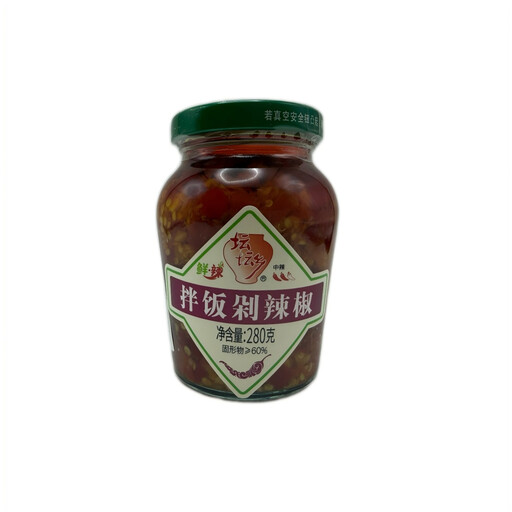
Why it suits this profile: A ready-to-use Hunan seasoning for rice, stir-fries and noodles. The 280g pack is a manageable size for regular home cooking.
The product information lists ingredients, allergens, salt content and its use as a seasoning. So you can check the composition in advance.
280g; ready-to-use; suitable for rice, stir-fries and noodles; contains soya and sulphites.
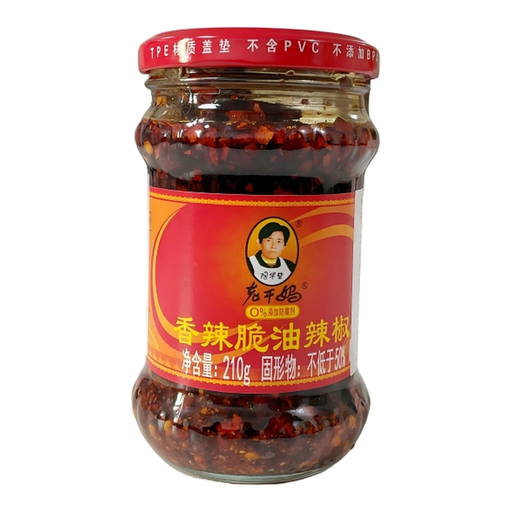
Why it suits this profile: For those who want texture as well as heat. The product description mentions chilli, peanut, black beans and oil with crunchy pieces.
The amount of chilli flakes, peanut and soya is stated. So you know this isn’t a smooth, sweet chilli sauce.
210g; crispy texture; suitable for noodles, rice, dumplings and stir-fries.
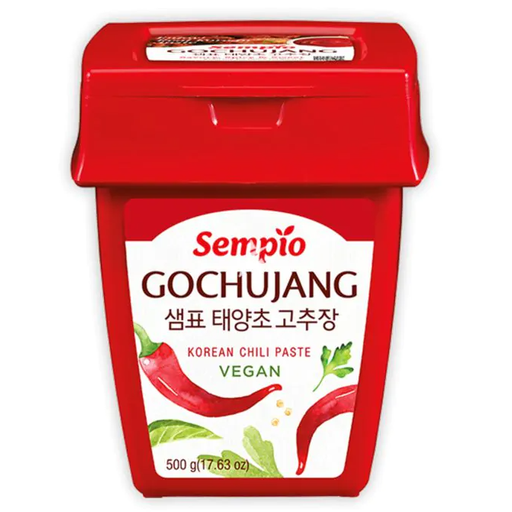
Why it suits this profile: A large pack for those who frequently make Korean dishes, marinades, stir-fry sauces or dips.
The product information lists 11% chilli powder, soya, wheat and gluten. That makes comparison easier for frequent use.
500g; thick paste; suitable for marinades, dips, soups and stir-fries.

Why it suits this profile: Whole dried cayenne chillies give you control over quantity, preparation and use in chilli oil, stews and marinades.
You’re not tied to a pre-mixed sauce with sugar, salt or oil. You can use the chillies whole, crushed or ground.
200g; single ingredient; suitable for homemade chilli oil and spice blends.
We’ve put together a full, up-to-date list of products that fully meet these strict selection criteria and comply with current European safety regulations.
That depends on the texture you’re after. Crispy chilli oil and chilli oil add oil and chilli pieces to noodles or rice. Chinese chilli sauce with garlic or fermented black beans adds more savouriness. For a sweeter, smooth dipping sauce, you could consider a Vietnamese chilli sauce such as CHINSU.
Gochujang is a thick Korean chilli paste made with fermented rice and soya ingredients, often with sweeter elements added. Regular chilli sauce is usually more liquid and can contain vinegar, sugar, garlic or tomato. Gochujang works well in marinades, stews and bibimbap; a thin sauce is more convenient as a dip or topping.
The shelf life varies by product. Check the date on the packaging and follow the storage instructions. Seal an opened jar that needs refrigeration tightly and preferably use clean utensils. With oily products, solid ingredients can sink to the bottom; stir according to the usage instructions for an even distribution.
