
Vandaag of morgen in huis

Kwaliteit gegarandeerd

Welkomstaanbiedingen ontgrendelen: GRATIS bezorging | Tot 80% korting | Gratis 30 dagen JoyPlus-proefperiode
Download de app
Are you looking to buy chilli sauce, but can’t decide between sweet, sour, hot, garlicky or fermented? On the shelf and in online shops, many bottles look alike. Yet they differ greatly in ingredients, heat level, texture, allergens and usage.
An attractive label doesn’t always tell you how a sauce will perform in the kitchen. So pay close attention to the product information. That way, you can avoid buying a large bottle that’s too sweet, choosing a sambal that doesn’t suit your dish, or overlooking a sauce that contains soya, wheat or shellfish.
A hot chilli sauce can be sharp, but also sweet, sour, savoury or garlicky. The terms “hot” or “spicy” aren’t a standard unit of measurement. So check the ingredients and usage instructions. A sambal with a high proportion of fresh chillies often has a different profile from a sauce where sugar, vinegar or starch are the main ingredients.
A 500 ml bottle might seem appealing if you often use chilli sauce for noodles or rice. But if you only need a small amount occasionally, a smaller jar can be more practical. Also look at the shelf life and storage instructions after opening. Some products need to be refrigerated, while others just require a cool, dry place.
Asian chilli sauce can contain soya, wheat, sesame, peanuts or shellfish. If you have an allergy, always check the label on the packaging. Product information on a website can change or be incomplete. If there’s conflicting information, such as an ingredients list that includes an allergen, the physical label takes precedence.
Look at the first ingredients on the list. With Go-Tan Original Chili Sauce, water, sugar and vinegar come before red pepper. According to the product description, this sauce is mildly sweet, spicy and fine in texture, without garlic and without coarse chilli seeds. That makes it suitable as a table sauce or for cooking.
With sambal oelek or ground chilli, the emphasis is usually more on chilli and salt. Flower Sambal Jeanette consists of 92% Madam Jeanette, according to the product information, with salt and acidity regulators added. That suits anyone looking for a powerful chilli flavour without tomato or lots of sugar.
For a Chinese chilli sauce, you might look for extra layers of flavour. Tan Tan Xiang Chao Tian Chili Sauce contains, among other things, Chaotian chilli, oil, fermented soya beans and garlic. According to the description, this sauce is therefore suitable for stir-fries, marinades and noodles.
Use a mild or sweeter chilli sauce as a dip for spring rolls, snacks, chicken or chips. A robust sambal works better in nasi, rijsttafels, soups or stews. For Korean dishes, Korean gochujang is a different category: this fermented red chilli paste usually contains grains, soya and sweetening ingredients. Its texture is thicker than a regular chilli sauce and it’s suitable for marinades, bibimbap, soups and stir-fries.
If you’re mainly after extra heat, choose a sauce with Madam Jeanette, concentrated chilli or hot pepper. When in doubt, add a small amount first. That way, you can build up the flavour without overpowering a dish unnecessarily.
Compare per 100 grams or millilitres, not just per pack. A sauce can be low in fat but relatively high in sugar or salt. Yun Shan Ban 0 Fat Chili Sauce states 0 grams of fat per 100 grams, but also 2,850 mg of sodium. So the term “0 fat” only tells you about the fat content, not the overall nutritional profile.
A chilli oil like Lao Gan Ma Spicy Crispy Oil Chili contains 71.1 grams of fat per 100 grams, according to the product information, and allergens such as peanut, soya, sesame and wheat. On the other hand, the oil with crispy pieces is suitable for noodles, rice, dumplings and stir-fries. So choose based on how you’ll use it, not just on one eye-catching claim on the front.
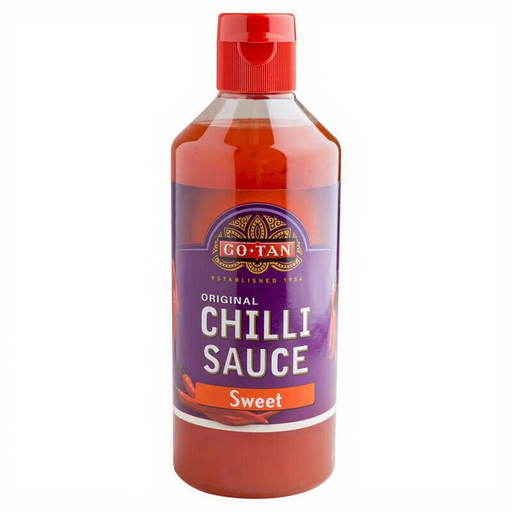
Why this fits the profile: The 500 ml content is practical for regular use with snacks, rice, noodles and simple stir-fries.
The product description clearly mentions a mildly sweet, spicy sauce without garlic and without coarse chilli seeds. That makes the flavour and texture more predictable.
500 ml content; 0.04 g fat per 100 g; according to the product information, free from the 14 main EU allergens.
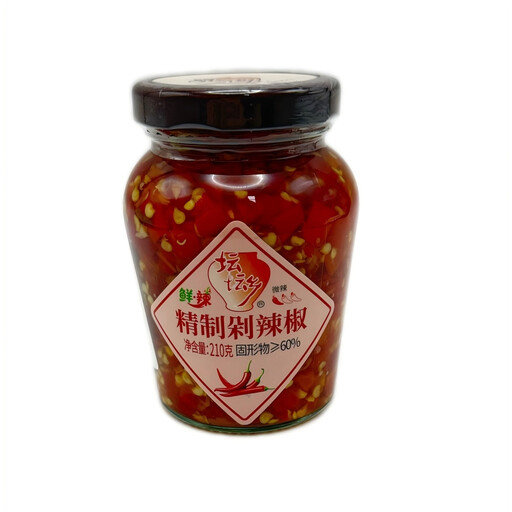
Why this fits the profile: The coarser, chopped texture and 75% fresh chilli suit lovers of a distinct chilli texture in rice, noodles and stir-fries.
The ingredients and quantitative declaration state 75% fresh chilli. So the jar isn’t a smooth, heavily diluted table sauce.
210 g; ready-to-eat; contains soya due to fermented black beans; 0.5 g fat per 100 g.
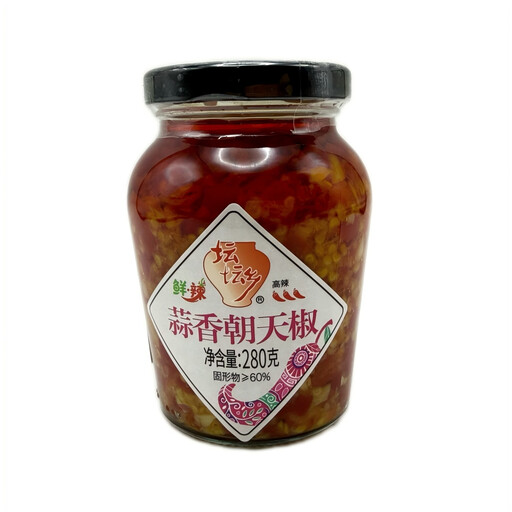
Why this fits the profile: This Chinese chilli sauce is designed for cooking: use it, according to the description, in stir-fries, marinades, noodles or as a dip.
The listed ingredients make it clear that oil and fermented soya are a significant component. So you know in advance that this isn’t a fat-free sauce.
280 g; garlic and fermented black beans; 34 g fat and 9.5 g salt per 100 g; soya present.
We’ve put together a full, up-to-date list of products that fully meet these strict selection criteria and comply with current European safety regulations.
This varies by product. Follow the instructions on the packaging. Store an opened sauce in the fridge if recommended, close the bottle or jar tightly, and don’t use any product where the packaging is damaged or the smell, colour or texture has clearly changed.
Sambal oelek usually consists of finely ground chilli with salt and acidity regulators, and has a direct chilli flavour. Chilli sauce often contains extra sugar, vinegar, tomato, garlic or thickeners. As a result, it’s often smoother and sweeter. Always check the ingredients, because recipes vary by brand.
Read the full ingredients list and allergen declaration. Look out for soya, wheat, peanuts, sesame, celery and shellfish, among others. When in doubt, the label on the packaging is the definitive source. This is especially important with composite products like chilli oil, fermented sauces and Surinamese sambals.
