
Vandaag of morgen in huis

Kwaliteit gegarandeerd

Welkomstaanbiedingen ontgrendelen: GRATIS bezorging | Tot 80% korting | Gratis 30 dagen JoyPlus-proefperiode
Download de app
If you want to buy chilli sauce, you’ll quickly come across dozens of jars labelled “authentic”, “extra hot” and “traditional”. Those words don’t always tell you how the sauce tastes or what you can use it for. A sweet sambal works differently from a fermented Korean chilli paste, while a Chinese chilli crisp mainly adds texture and oil.
For home cooks, vegetarians, vegans and catering professionals, there are three main pitfalls to watch out for:
The name on the label gives you a clue, but always check the ingredients list and usage instructions.
Sambal oelek typically consists of ground chilli peppers with salt and acid. This makes it easy to add to nasi, soup, marinades or peanut sauce. A fried variety, such as sambal badjak, often contains onion, garlic, oil and spices. It offers more sweetness and depth.
A Surinamese sambal can vary greatly in heat. Products containing Madam Jeanette are often aimed at fans of intense heat. Also check whether the sambal contains prawns or other animal ingredients. That’s relevant for vegetarians and vegans.
Buying gochujang makes sense if you want to make bibimbap, tteokbokki, bulgogi, kimchi-style marinades or Korean noodles. This Korean chilli paste usually has a thicker texture and a combination of chilli, sweetness, salt and fermented umami.
Pay attention to allergens. In the product information provided for various gochujang varieties, soya and wheat appear. The Bibigo variety is described as vegan in the product description, but it does contain wheat and soya. If you have an allergy, always check the current label.
A Chinese chilli sauce with garlic or black beans works well with stir-fries, rice and noodles. Chilli crisp usually contains oil and solid pieces of chilli, spices or other ingredients. This gives you not only heat but also a crunchy or coarse texture.
Lao Gan Ma Chili Crisp Sauce contains chilli, rapeseed oil, soya, mushroom and spices according to the product information. The classic Lao Gan Ma Chili Sauce contains fermented black beans with soya and wheat. This makes the sauce flavourful for savoury dishes, but less suitable for those with a soya or gluten allergy.
A red pepper paste is often intended as a base or flavouring. A Thai curry paste also contains herbs such as lemongrass, galangal, garlic and coriander seed. The Fair Trade Indian Red Curry Paste lists shallot, lemongrass, garlic and red chilli among its ingredients. Cock Brand Thai green curry paste contains 33% fresh green chilli according to the product information, alongside aromatic herbs.
So don’t automatically use curry paste as a dipping sauce. This paste works best when you fry it off and combine it with coconut milk, stock, vegetables or tofu.
Don’t just look at “vegan”, “halal” or “no artificial additives”. Check:
For example: the product information for Flowerbrand Surinamese Sambal Sauce lists prawns in the ingredients, despite the mention of the 14 main EU allergens. So always read the label yourself.
A low percentage of chilli doesn’t automatically mean little flavour. Gochujang gets its profile partly from fermentation, rice, soya and sweeteners. A sambal with 92% fresh Surinamese peppers, such as Lekker Bekkie Suriname Grinded Chili, has a much more direct pepper character.
Think about what you’re using the sauce for:
A 170 to 200 g jar is practical for occasional use. Pack sizes of 500 g, 570 g or 1 kg are more interesting for frequent home cooks, meal prep or catering. Once opened, a product often needs to be refrigerated; for other varieties, a cool, dry place is sufficient according to the product information. Always follow the packaging.
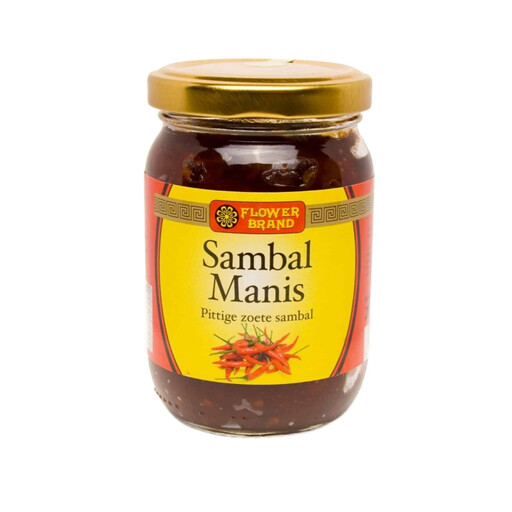
Why this fits the profile: The sweet-spicy flavour is accessible for anyone using sambal for the first time in rice, noodles or a stir-fry.
The product description clearly states a sweet-spicy profile. This means you don’t have to rely solely on a general claim about heat.
200 g; ingredients include red pepper, sugar, onion and tamarind; according to the product information, none of the 14 main EU allergens.
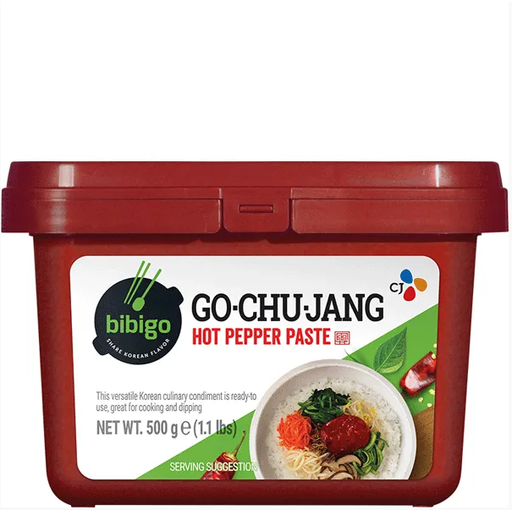
Why this fits the profile: This Korean chilli paste appeals to vegan cooks looking for one product for marinades, stews, dressings, tofu and noodles.
The product description mentions no animal ingredients and states a mild heat. Nevertheless, check the current packaging.
570 g; suitable for bibimbap, marinades, stir-fries and dips; contains soya and wheat according to the product information.
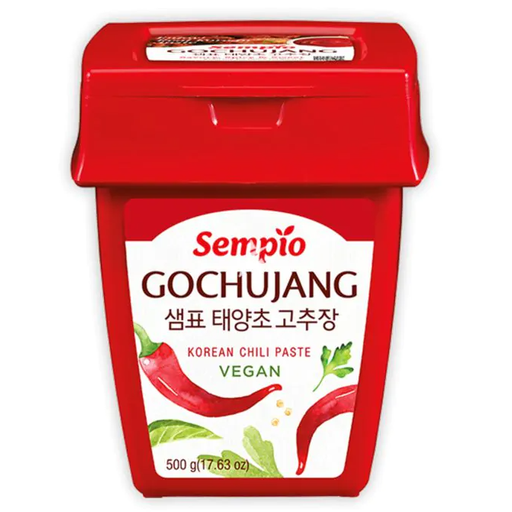
Why this fits the profile: The volume suits frequent home cooks and smaller catering kitchens that regularly prepare marinades, dips and stir-fries.
The product description mentions a rich texture and moderate heat. This helps in dishes where you want to build flavour without relying solely on sharp chilli.
500 g; can be used in marinades, dips and stir-fries; contains soya and wheat according to the ingredients list.
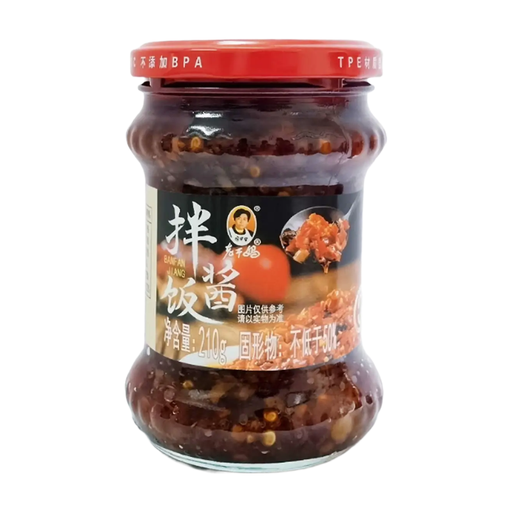
Why this fits the profile: Handy for anyone who wants to quickly add more oil, heat and texture to rice, noodles or stir-fries.
The product information mentions its use with rice and noodles and lists soya as an allergen. This makes the application and key point clearer than a general heat claim would.
210 g; oily chilli crisp with mushroom and spices; soya listed as an allergen according to the product information.
We’ve put together a full, up-to-date list of products that fully meet these strict selection criteria and comply with current European safety regulations.
A sweeter sambal, such as sambal manis, is often easier to add to rice, noodles and stir-fries. If you’re after a savoury, thicker sauce, you could try a mild gochujang. Start with a small amount and add more later.
This varies by product. Some jars need to be refrigerated after opening and used quickly; others can be stored in a cool, dry place according to the packaging. Always follow the storage advice on the label, seal the jar properly and don’t use any product with damaged packaging.
No. Sambal oelek is usually a simple ground chilli paste with salt and acid. Chilli sauce can also contain sugar, oil, garlic, fermentation, herbs or thickeners. This means not only the heat differs, but also the texture and how it’s used in a dish.
