
Vandaag of morgen in huis

Kwaliteit gegarandeerd

Welkomstaanbiedingen ontgrendelen: GRATIS bezorging | Tot 80% korting | Gratis 30 dagen JoyPlus-proefperiode
Download de app
Are you looking to buy chilli sauce but unsure whether to go for hot chilli sauce, chilli oil, sambal or sweet chilli sauce? The choice is vast, and the packaging doesn’t always tell you how a product actually performs in the kitchen. A sauce that works well with spring rolls might be too sweet for noodles, while a concentrated sambal can quickly become too salty in a marinade.
So don’t just rely on words like “extra hot” or “authentic taste”. Instead, look closely at the ingredients, texture, quantity and usage advice. That way, you’ll avoid ending up with a bottle that sits unused at the back of the fridge.
A spicy pepper sauce can taste predominantly sour, salty, sweet or smoky. The label “hot” doesn’t tell you much about the balance. Sriracha sauce often contains sugar, garlic and vinegar, whereas sambal usually tastes more direct and peppery. Gochujang adds a fermented, savoury depth.
So think about what you want to use the sauce for:
A large bottle might seem good value, but you’ll use a sweet sauce differently from a concentrated sambal. Check the net weight, the recommended use and the shelf life after opening. An 850 ml pack is practical for a large household, catering or frequent use, but less handy if you only serve a dip now and then.
Also pay attention to the nutritional information. Some sweet chilli sauce varieties contain around 42 to 48 grams of sugar per 100 grams. A sauce with a lot of oil, such as chilli crisp, can be significantly higher in energy. That doesn’t make the product unsuitable, but it does help you choose the right portion and application.
Always check the label, especially with chilli oil and fermented sauces. Products may contain peanuts, soya, wheat, sesame, mustard or sulphites. Lao Gan Ma Peanut Chilli Oil, for example, lists peanuts and wheat. A sriracha variety with mustard contains mustard as an allergen.
Also follow the storage instructions on the packaging. Some products need to be refrigerated after opening; others should be kept cool and dry. The information on the actual label always takes precedence over general product details.
A higher chilli content doesn’t automatically mean the flavour will suit your dish better, but it does give you an objective point of comparison. Flying Goose Sriracha Chilli Sauce with Mustard, for example, lists 61% chilli. Inproba Sweet Chilli Sauce lists 7.4% chilli pepper, alongside sugar, water, vinegar and garlic. That points to a different flavour profile: sweeter and milder versus a pronounced pepper base.
With dried chilli peppers, chilli flakes and chilli powder, there is often one main ingredient. You then control the amount yourself and can use the peppers in chilli oil, soups, stir-fries or marinades.
A smooth sauce is easy to pour and mix. A thick paste, like gochujang, clings well to meat alternatives, vegetables and noodles, but usually needs to be thinned first. Chilli crisp contains solid pieces such as chilli flakes, peanuts or other ingredients. Stir the pot well before using, as the oil and solids can separate.
Choose a format that suits your kitchen routine:
Check the allergen information before you order. Also look at salt and sugar per 100 grams or millilitres, especially if you use the sauce generously. Encona Hot Pepper Sauce, for example, lists 7.8 grams of salt per 100 grams and, according to the product information, contains none of the 14 main EU allergens. That makes this information useful for comparison, but always check the packaging again with each purchase.
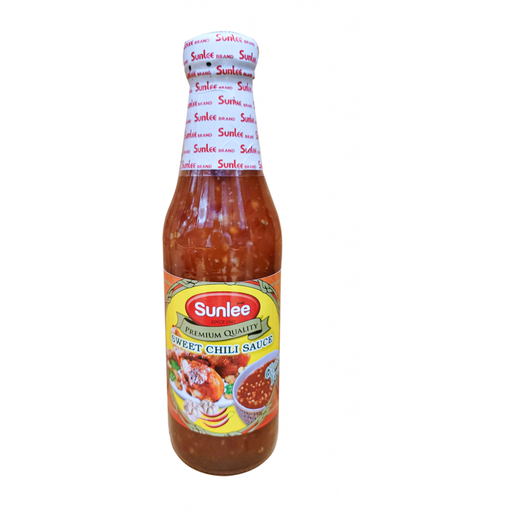
Why this fits the profile: The mild, sweet flavour is accessible for anyone trying an Asian sauce for the first time. Can be used as a dip, glaze, marinade or dressing.
The product description clearly mentions the mild heat and various uses. This means the sauce isn’t just suitable as a dip.
300 ml pack; ingredients include water, sugar, red pepper, vinegar and garlic; suitable for vegan dishes according to the listed ingredients.
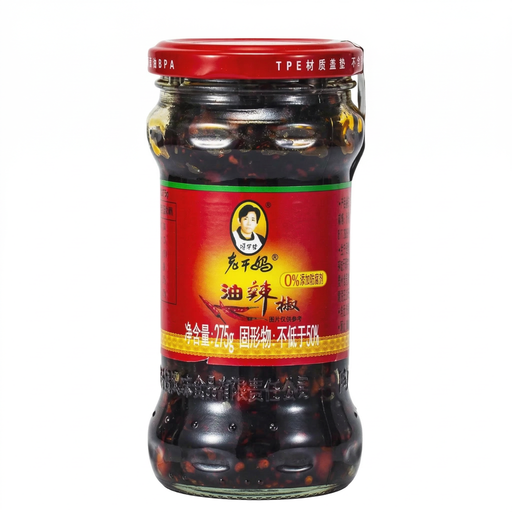
Why this fits the profile: Ideal for fans of chilli crisp, texture and a savoury topping for noodles, rice, dumplings and stir-fries.
The ingredient list states 22% chilli flakes and 15% peanuts. So you know you’re buying an oil with solid, crunchy components, not a smooth sauce.
275 g; ready to use as a topping; contains peanuts, soya and wheat, so allergens are clearly flagged.
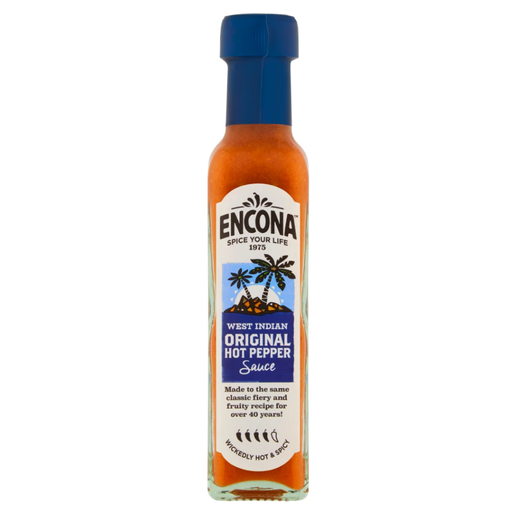
Why this fits the profile: The smooth, pourable texture works for pizza, soups, stews, dips and marinades. A practical choice for regular dosing.
The ingredients are clearly listed: cayenne peppers, vinegar, water, salt and natural flavourings. There are no solid pieces that a topping lover might be looking for.
142 ml; smooth liquid consistency; according to the product information, free from the 14 main EU allergens.
We’ve put together a full, up-to-date list of products that fully meet these strict selection criteria and comply with current European safety regulations.
For spring rolls, snacks and raw vegetables, sweet chilli sauce and a smooth hot chilli sauce are practical options. If you prefer less sweetness, you can choose a vinegar-based pepper sauce or sambal thinned with a little water, lime or oil.
Always follow the label. Keep an opened bottle or jar tightly sealed and out of direct sunlight. Some sauces need to be refrigerated, while others can be stored cool and dry. Use clean utensils to prevent contamination.
Gently heat the oil and add crumbled dried chilli peppers or chilli flakes. Do not let the mixture smoke, and allow the oil to cool before pouring it into a clean, suitable jar. Always check the product label and use a safe preparation method.
