
Vandaag of morgen in huis

Kwaliteit gegarandeerd

Welkomstaanbiedingen ontgrendelen: GRATIS bezorging | Tot 80% korting | Gratis 30 dagen JoyPlus-proefperiode
Download de app
Are you looking to buy chilli sauce, but can’t decide between sweet chilli sauce, spicy chilli sauce, chilli oil or sambal? The choice is vast, and a flashy label doesn’t always tell you enough about the taste, heat level or how to use it. A sauce that works well as a dip, for example, might be less suitable for noodles or stir-fries.
With this practical guide, you can focus on the information that really matters: ingredients, allergens, texture, origin, and how you plan to use the sauce.
The label “spicy chilli sauce” doesn’t follow a fixed European heat scale. Your experience depends on the type of chilli, the amount of sugar, vinegar, oil and other ingredients. A sauce with a high chilli content can taste much stronger than a sweet sauce with a similar red appearance.
So, look at the ingredients list and the product description. Sometimes it states the percentage of chilli, such as 61% chilli in Flying Goose Sriracha Chilli Sauce with Mustard or 20% chilli flakes in Lao Gan Ma Spicy Crispy Oil Chilli.
Sweet chilli sauce often contains a relatively high amount of sugar. According to the product information, Go-Tan Original Chili Sauce has 41g of sugar per 100g. This makes it suitable as a table or dipping sauce, but potentially less fitting when you’re after a savoury, dry chilli heat.
For spring rolls, prawn crackers and grilled chicken, a sweet chilli sauce can work well. For Sichuan noodles, dumplings or stir-fries, chilli oil or a savoury Chinese chilli sauce is a more obvious choice.
Asian sauces can contain, among other things, peanut, soya, sesame, wheat, mustard, shellfish or chicken. Lao Gan Ma, for example, lists peanut, soya, sesame and wheat. Flying Goose Sriracha Chilli Sauce with Mustard contains mustard. Sambal with shrimp is not suitable for people with a shellfish allergy.
Always check the current packaging. Online product information can change, and the label is the leading source for ingredients, allergens, shelf life and storage advice.
First, decide what flavour you’re looking for:
Don’t just rely on the name. A product with garlic, sesame or fermented soya will taste different from a smooth sauce with mainly sugar and vinegar.
The texture determines how you use the sauce. A smooth sauce spreads easily over snacks, sandwiches and marinades. An oil with chilli flakes or crunchy ingredients, on the other hand, adds texture to rice, noodles and stir-fries.
For chilli sauce for noodles, chilli oil and crunchy Chinese sauces are practical choices. A thick sauce works better as a topping or marinade. If you want to use chilli sauce as a dipping sauce, look for a pourer spout, a smooth texture and a flavour balance that isn’t just about heat.
Compare the net volume with how often you use the sauce. A 700ml or 850ml bottle is handy for a household that regularly cooks Asian dishes, but less practical if you only use a dipping sauce occasionally.
Also check:
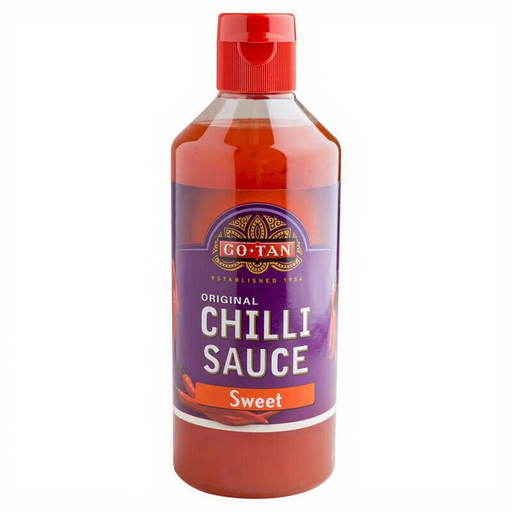
Why this fits the profile: The smooth, slightly sweet sauce is easy to dose and can be used as a table or cooking sauce. The product information does not list any of the 14 main EU allergens.
The product description clearly mentions a fine texture and a slightly sweet taste. This makes the difference from an oil or coarse chilli sauce visible in advance.
500 ml volume; suitable for dipping and cooking; according to the product information, 3.2% red pepper.
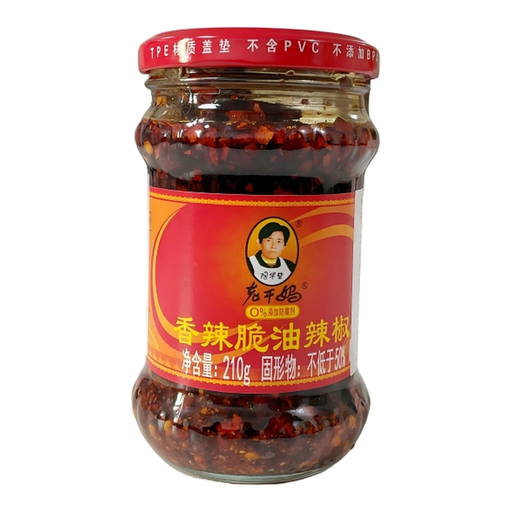
Why this fits the profile: This Chinese chilli sauce combines oil with chilli flakes, peanuts, soya beans, sesame and, according to the product information, Sichuan pepper.
The presence of 20% chilli flakes and visible ingredients makes it clear that this is not a smooth, sweet sauce.
Crunchy texture; ready to use in rice, noodles, dumplings and stir-fries; made in China.
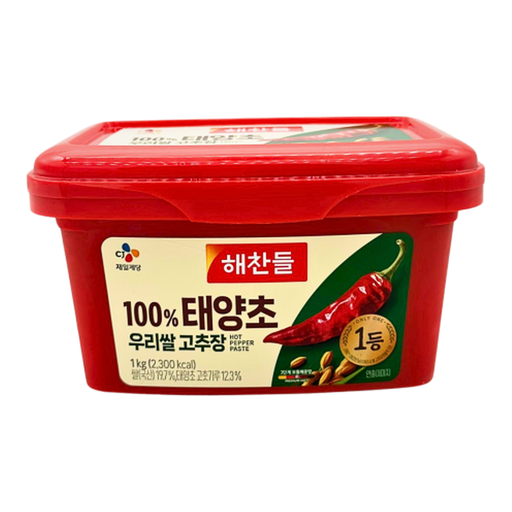
Why this fits the profile: The 1 kg pack suits households that frequently make Korean dishes, marinades, soups and stir-fries.
The product description explicitly mentions uses such as soup, stir-fry, seasoning and marinating. It is therefore not a universal sweet dipping sauce.
1 kg volume; made in South Korea; contains soya; suitable as a marinade and flavour enhancer.
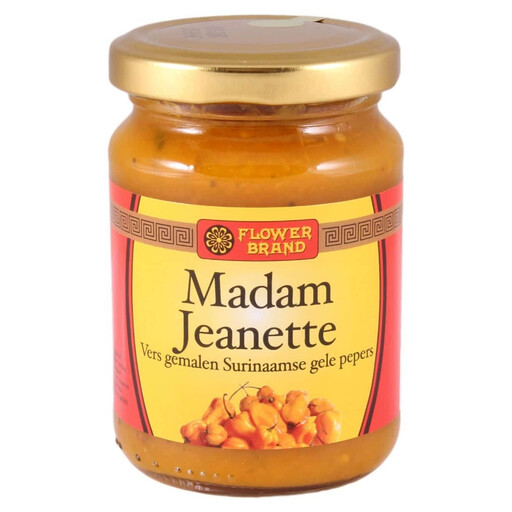
Why this fits the profile: According to the product information, this sambal uses 92% Madam Jeanette chilli and contains none of the 14 main EU allergens.
The high stated percentage of pepper makes the flavour direction clearer than a general label like “spicy”.
200 g volume; 92% Madam Jeanette according to the product information; zero grams of sugar per 100g stated.
We’ve put together a full, up-to-date list of products that fully meet these strict selection criteria and current European safety regulations.
For noodles, chilli oil, Chinese chilli sauce with chilli flakes or a savoury sauce with garlic and Sichuan pepper are suitable options. Gochujang works when you’re after a Korean, fermented and slightly sweet flavour. Add the sauce little by little, as salt and heat can quickly build up.
That depends on the product. Follow the storage and usage instructions on the packaging. Many sauces need to be kept tightly sealed after opening and sometimes refrigerated. Do not use a product with damaged packaging and pay attention to smell, colour and texture.
No. Chilli sauce is often more liquid and can contain sugar, vinegar and thickeners. Sambal is usually a thicker chilli paste with a more direct pepper taste. The exact composition varies by variant, so always check the ingredients list.
