
Vandaag of morgen in huis

Kwaliteit gegarandeerd

Welkomstaanbiedingen ontgrendelen: GRATIS bezorging | Tot 80% korting | Gratis 30 dagen JoyPlus-proefperiode
Download de app
Anyone looking to buy chilli sauce will quickly come across dozens of bottles labelled hot sauce, extra spicy, authentic and sweet chilli. Yet the packaging doesn’t always tell you enough about the flavour, how to use it, or how long it lasts once opened. A thin pepper sauce works very differently from a sweet chilli sauce or a garlic chilli sauce.
With this practical guide, you can compare sauces based on ingredients, volume, usage and storage. That way, you can make a targeted choice for snacks, stir-fries, marinades, Asian meals or a simple dipping sauce.
Heat isn’t the only flavour factor. A hot sauce can be predominantly sour from vinegar, whereas a sambal sauce has a robust pepper and garlic taste. A sweet chilli sauce tends to have a higher sugar content and a thicker consistency. So, also look at:
A mild salsa dip is not the same as a chilli sauce, either. Salsa typically contains tomato, onion and bell pepper, and works well with tortilla chips.
An 850 ml bottle might seem good value, but it’s less practical if you only use the sauce occasionally. A small 60 ml or 142 ml bottle is handier if you want to try different flavours. For families, parties or daily use, a larger pack can make more sense.
So, compare the volume in millilitres or grams with how much you expect to use. Also, check the storage information and the advice to refrigerate the bottle after opening.
International sauces can contain soya, wheat, sesame, mustard, milk, egg, peanut or fish ingredients. This applies, for example, to satay sauce, teriyaki and oyster sauce. Always check the actual packaging, especially when the product page and the label differ.
A product description may state that a sauce contains none of the 14 main EU allergens, but if in doubt, check the ingredients list and allergen information on the bottle.
First, decide what you need the sauce for:
Ingredients are listed in descending order by quantity. If sugar is near the top, it’s likely a sweeter sauce. For example, Inproba Sweet Chilli Sauce lists sugar as the first ingredient and, according to the product information, contains 42 g of sugar per 100 g.
Tabasco Red Pepper Sauce, according to the product information, lists just three ingredients: vinegar, red pepper and salt. This points to a simpler, more acidic flavour profile. The stated nutritional values are 16 kcal and 1.8 g of salt per 100 g.
Also, pay attention to salt and sugar per 100 g. If you use the sauce in small amounts, the portion per meal will of course be lower, but the value per 100 g helps you compare products fairly.
A squeezy bottle is practical for chips, rolls and snacks. A glass bottle or jar can be suitable for sauces you measure out with a spoon. Check:
For many products, the advice is to store them in a cool, dry place and to refrigerate after opening. Always follow the instructions on the current label.
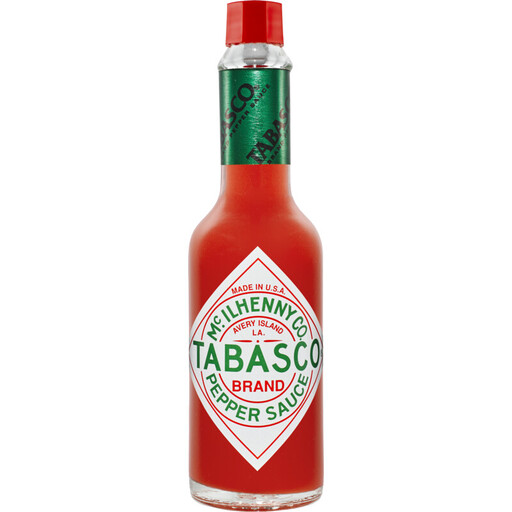
Why this fits: A compact bottle for anyone who wants to add extra flavour to pizza, pasta, soup or meat now and then, without buying a large pack straight away.
The size limits waste if you’re not a daily user. The product information lists three ingredients: vinegar, red pepper and salt.
60 ml, a thin liquid sauce and, according to the product information, suitable for pizza, meat and pasta sauces, among other things.
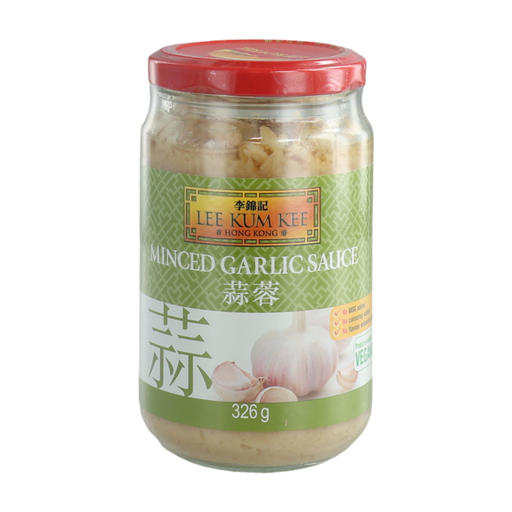
Why this fits: For home cooks who want garlic aroma alongside heat in noodles, dumplings, vegetables, meat or stir-fries.
The sauce isn’t chosen on heat alone: the product description mentions 25% garlic and a thicker texture suitable for dipping and cooking.
326 g, ready to use as a garlic chilli sauce, marinade base or sauce for stir-fries. Refrigeration after opening is stated as storage advice.
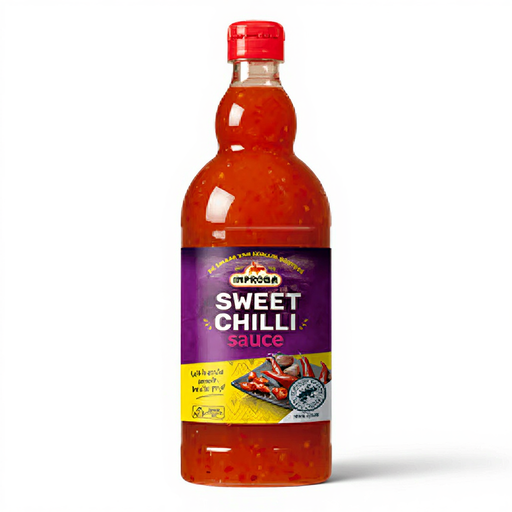
Why this fits: A large pack for families, parties and users who often serve snacks, chicken, raw vegetables or Oriental dishes.
The large bottle only makes sense with regular use. The product information states 45 g of carbohydrates and 42 g of sugar per 100 g; compare this with your desired flavour profile.
850 ml, sweet chilli sauce for dips, grilled chicken and Oriental dishes. According to the product information, it contains none of the 14 main EU allergens.
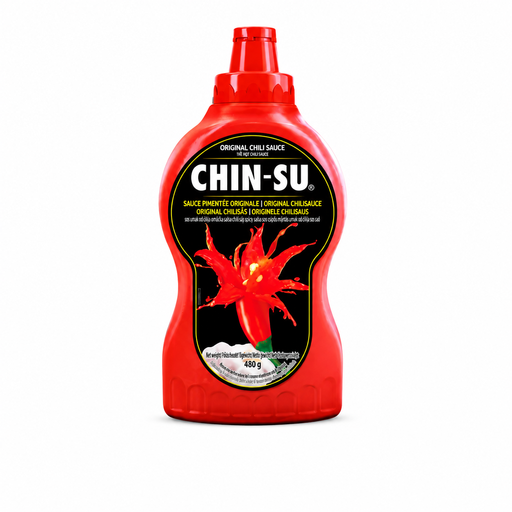
Why this fits: For anyone looking for a thicker sauce to go with Vietnamese snacks, spring rolls, noodles, soup or grilled food.
The product information describes a medium heat level. If you’re after a very hot sauce, you’d be better off choosing a product with a different pepper strength.
480 g, with a smooth, thick texture and a combination of chilli, garlic, tomato and sweetness, according to the product description.
Browse our current selection of dipping sauces and compare sizes, ingredients and uses before you order.
A hot sauce is often thinner and contains relatively more vinegar and pepper. Sweet chilli sauce is usually thicker and contains more sugar. As a result, hot sauce works well as a flavour enhancer added drop by drop, whereas sweet chilli sauce is more often used as a dipping sauce or glaze.
A garlic chilli sauce, sambal sauce or other Asian sauce often works well with stir-fries. Check whether the product information states that the sauce is intended for cooking. Lee Kum Kee Minced Garlic Sauce, for example, mentions use for stir-frying, noodles, vegetables, meat and tofu.
Store the bottle according to the label. Many products advise a cool, dry place before opening and refrigeration after opening. Seal the pack properly and do not use the product if the packaging is damaged. You’ll find the exact shelf life on the packaging, not just on the product page.
