
Vandaag of morgen in huis

Kwaliteit gegarandeerd

Welkomstaanbiedingen ontgrendelen: GRATIS bezorging | Tot 80% korting | Gratis 30 dagen JoyPlus-proefperiode
Download de app
Do you want to buy chilli oil, but find yourself lost among the jars, bottles and different varieties, unsure what you actually need? Chinese chilli oil, chilli crisp, sambal and chilli sauce can sometimes look similar, but they differ greatly in texture, heat, ingredients and use.
You’ll notice a wrong choice quickly. A smooth sauce can disappoint if you’re after crunchy bits. A large bottle isn’t good value if you only use the flavour occasionally. And a product containing peanut, soya, sesame or wheat won’t suit every kitchen.
As Joybuy Product Recommendation Officer, I therefore focus on verifiable information on the label: composition, contents, allergens, usage advice and storage instructions.
Chilli oil usually consists mainly of oil with chilli and spices. The flavour is often suitable as a finishing oil for noodles, dumplings or stir-fries.
Crispy chilli oil or chilli crisp also contains visible pieces of chilli, garlic, peanut, onion, soya or other ingredients. This gives more texture and a savourier taste.
A chilli sauce is usually thicker and may contain water, sugar, vinegar or starch. Think of sweet chilli sauce or Vietnamese chilli sauce. It’s handy as a dip, but behaves differently from hot oil for noodles.
Words like “spicy”, “hot” or “strong” don’t always give a comparable indication. One variety emphasises chilli, another garlic, Sichuan pepper, fermented beans or sweetness.
So also look at the ingredients list. A higher percentage of chilli says something about the composition, but doesn’t fully determine how sharp the taste is perceived. Sichuan chilli oil, for example, can have an aromatic or slightly numbing mouthfeel alongside the heat, thanks to Sichuan pepper.
A jar of 200 to 300 grams may seem small, but chilli oil often has an intense flavour. One or two spoonfuls are enough for a bowl of noodles or a portion of dumplings. Large packs are only sensible with regular use.
Always check the allergens. Among the products shown, peanut, soya, sesame and wheat occur. The product packaging is definitive, as recipes and labels can change.
For noodles and dumplings you can choose between:
Stir a jar with solid ingredients well before use. According to the product information for various Lao Gan Ma varieties, oil and solid components can separate during storage.
A percentage such as 20%, 22% or 25% chilli helps when comparing products, but doesn’t tell you everything about the final taste. Also check whether peanuts, sesame, fermented beans, garlic or Sichuan pepper have been added.
For example: Lao Gan Ma Peanut Chilli Oil contains, according to the product information, 22% chilli flakes and 15% peanuts. The second Lao Gan Ma Spicy Crispy Oil lists 20% chilli, 8% peanut and 6% soya. That doesn’t automatically make the two varieties interchangeable.
Pay attention to the net weight and storage instructions. Many jars need to be kept cool and dry. Some products recommend refrigeration after opening, while others, according to the product information, can remain in a cool, dry place.
Use the oil for its intended purpose:
The nutritional value can vary greatly. Chilli oil varieties generally contain a lot of fat and sometimes a lot of salt. Chilli sauce, on the other hand, often contains sugar. So compare the label if you use the same flavour maker daily.
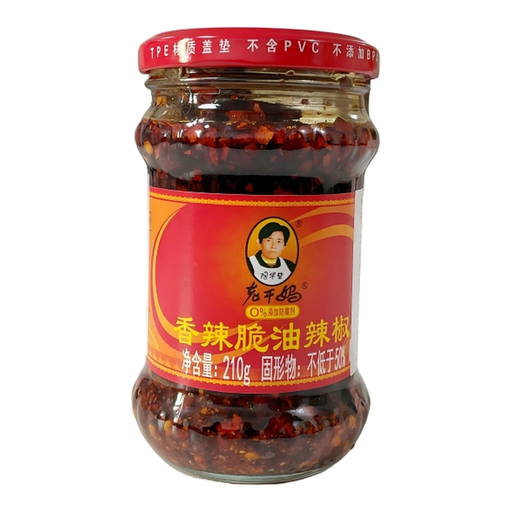
Why this fits the profile: A compact jar with crunchy ingredients for anyone wanting to try Chinese chilli oil without buying a large quantity straight away.
The product information clearly lists chilli, peanut, soya, sesame and wheat. This lets you check the composition beforehand rather than relying only on the name.
210 grams, 20% chilli and solid pieces of peanut and soya. Ready to use with noodles, rice, dumplings and hotpot.
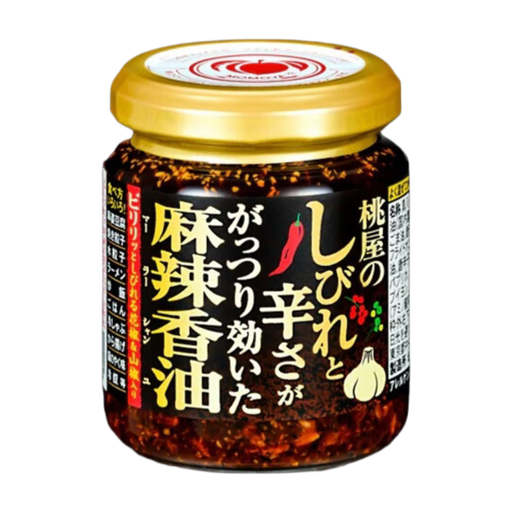
Why this fits the profile: For enthusiasts looking for a smaller jar with an extensive combination of garlic, sesame oil, chilli and Sichuan pepper.
The ingredients list makes it clear this isn’t a neutral oil: chicken, soya and sesame are present, among others. This prevents a wrong choice for a vegetarian or allergen-free recipe.
105 grams, produced in Japan according to the product listing, with fried garlic, sesame oil, chilli and Sichuan pepper among the ingredients.
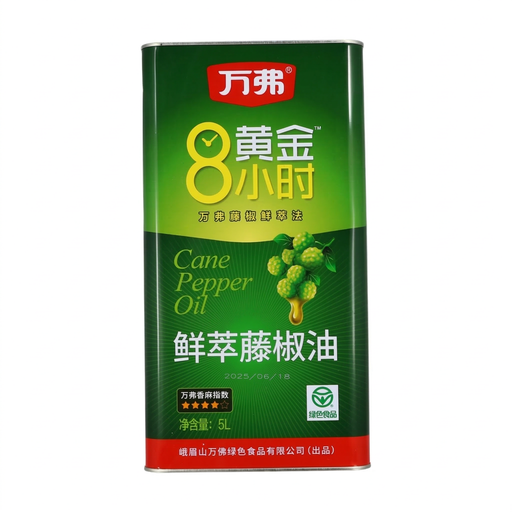
Why this fits the profile: Aimed at high-volume use, for example for a home cook who often prepares Sichuan dishes, hotpot or cold noodles.
The packaging is 5 litres. This makes the choice clearly aimed at intensive use, not occasional tasting. Check beforehand that you have enough consumption.
Refined rapeseed oil with fresh rattan pepper, with no listed allergens. According to the usage information, suitable as a finishing oil for noodles, dumplings and hotpot.
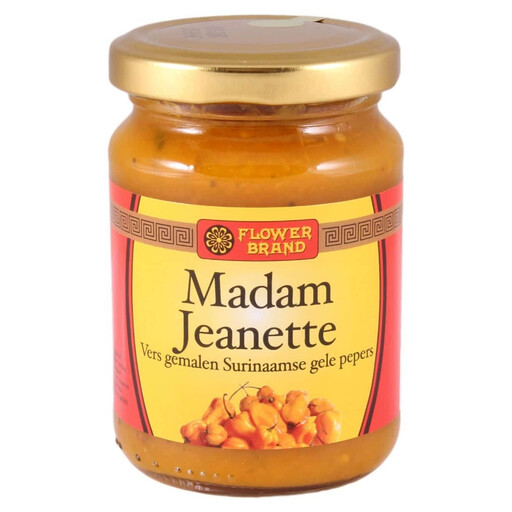
Why this fits the profile: For those who mainly want powerful chilli and have less need for oil, crunchy bits or sweet sauce.
The product description states 92% Madam Jeanette and makes it clear this is sambal, not classic chilli oil. This lets you know in advance which texture and application you’re buying.
200 grams, free from the 14 major EU allergens according to the product information. Suitable for adding in small amounts to rice, noodles or marinades.
We’ve put together a full, up-to-date list of products that fully meet these strict selection criteria and current European safety regulations.
For noodles, both a smooth Sichuan chilli oil and a chilli crisp are suitable. Choose chilli crisp when you want crunchy bits and more texture. An aromatic oil without many solid components is handier when you only want to lightly coat the noodles.
That varies per product. Store the jar or bottle according to the label, usually cool, dry and well sealed. Some varieties recommend refrigeration after opening. Also check the best-before date and don’t use any product whose packaging, smell or appearance is clearly off.
No. Sambal is usually a ground chilli mixture, chilli oil is oil with chilli and spices, and chilli sauce often contains water, sugar, vinegar or thickeners. Choose based on the dish: oil for noodles and dumplings, sambal for concentrated heat, and chilli sauce as a dip or marinade.
