
Vandaag of morgen in huis

Kwaliteit gegarandeerd

Welkomstaanbiedingen ontgrendelen: GRATIS bezorging | Tot 80% korting | Gratis 30 dagen JoyPlus-proefperiode
Download de app
The chili sauce aisle can be overwhelming. From bright red bottles to dark, mysterious jars, the selection is vast. But how can you be sure you're buying the right hot sauce? Many consumers fall into the same traps: they come home with a bottle that contains more sugar than pepper, or a sauce whose flavour profile is a complete mismatch for the dish they had in mind.
As a Joybuy Product Recommendation Officer, I'm here to help you cut through the marketing jargon. In this guide, we'll discuss the most common pitfalls and provide practical tips to find the chili sauce that truly suits your taste and cooking style.
Before you put a bottle in your basket, it's wise to be aware of a few common misconceptions that can lead to a disappointing purchase.
To avoid a bad buy, there are a few objective specifications you can check. These factors determine the sauce's flavour, texture, and use.
The most important indicator of quality and flavour is the ingredients list. A good rule of thumb is that the chili pepper should be high on the list, ideally as the first ingredient. This indicates that the flavour comes primarily from the peppers themselves, not from sugar, water, or vinegar.
Chili sauce is a broad term. The texture largely determines what you can use it for:
To help you get started, we've highlighted a few popular choices that suit different preferences and dishes. These recommendations are based on their product specifications and intended use.
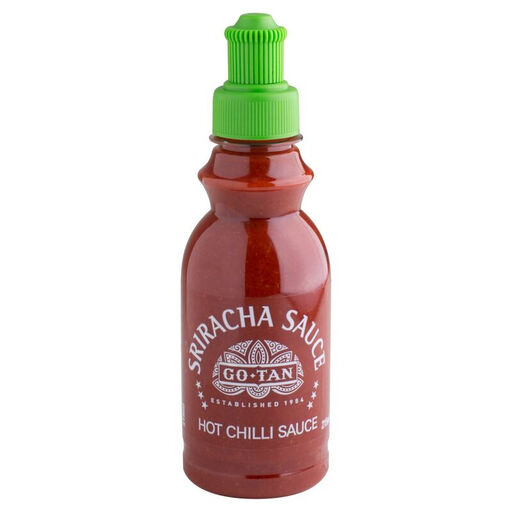
Why This Fits Their Persona: This is a versatile sauce that fits into almost any kitchen. The flavour is familiar and not extreme, making it suitable for stir-fries, on a sandwich, or mixed with mayonnaise for a spicy dip.
With approximately 54% red chili pepper, the base of this sauce is genuinely pepper, not sugar. The flavour is spicy and fresh, without the excessive sweetness of many cheaper alternatives.
Balanced flavour profile with garlic and a touch of acidity. The pourable bottle is convenient for daily use.
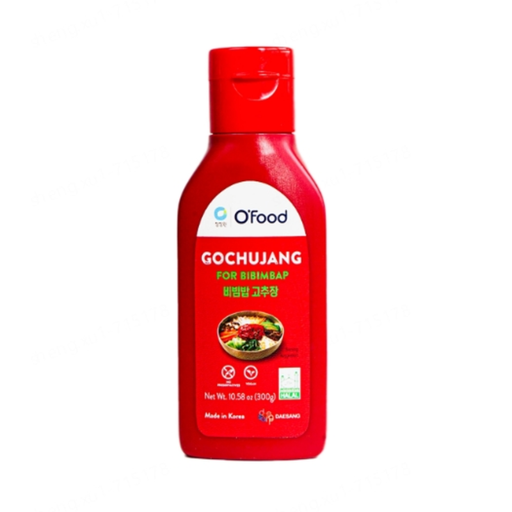
Why This Fits Their Persona: Ideal for those who want to recreate the authentic taste of Korean dishes like bibimbap, tteokbokki, or kimchi stew. This is an essential base ingredient for Korean cuisine.
This is a true fermented Gochujang paste, not a generic 'Korean chili sauce'. The fermentation process creates a deep, savoury umami flavour that cannot be imitated with simple sauces.
Specifically formulated for bibimbap, with a good balance of spicy, sweet, and savoury. The product is also halal certified.
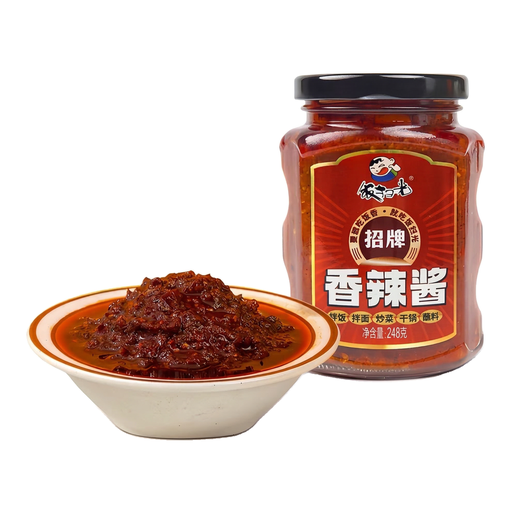
Why This Fits Their Persona: For those looking for more than just heat. This Chinese chili oil is a complex condiment with a layered flavour and texture, perfect for instantly elevating a simple bowl of rice or noodles.
This is not a one-dimensional hot sauce. The combination of chili, broad bean paste, sesame, peanuts, and Sichuan pepper creates a rich, aromatic, and savoury experience that is far from a simple, acidic chili sauce.
Complex, layered flavour and texture. Ready to use as a flavouring or topping right out of the jar.
We've compiled a complete, up-to-date list of products that meet these selection criteria and current regulations.
Although both are spicy, there are clear differences. Sriracha is a smooth, liquid sauce of Thai origin, made from chili peppers, vinegar, garlic, sugar, and salt. It has a spicy, slightly sweet-and-sour, and garlicky flavour. Sambal is a collective name for various Indonesian chili pastes. Sambal oelek, the most basic version, is a coarser paste of ground peppers and salt. Other sambals contain additional ingredients like trassi (shrimp paste), onions, or sugar, resulting in a wide variety of flavours and textures.
Most chili sauces are best stored in the refrigerator after opening. Due to their high salt and/or vinegar content, they often have a long shelf life, but refrigeration helps to preserve their colour and flavour optimally. Always consult the label on the packaging for specific storage instructions.
If you're looking for a less sweet sauce, check the ingredients list. Choose a sauce where chili pepper is listed as the first ingredient and sugar (or syrup) is low on the list or absent altogether. Traditional sambals like sambal oelek, many Chinese chili oils, and vinegar-based hot sauces like Tabasco are typically not sweet or only minimally so. Check the nutritional information table for the amount of sugar per 100 grams to get a good indication.
