
Vandaag of morgen in huis

Kwaliteit gegarandeerd

Welkomstaanbiedingen ontgrendelen: GRATIS bezorging | Tot 80% korting | Gratis 30 dagen JoyPlus-proefperiode
Download de app
Anyone looking to buy children’s drinks will quickly come across dozens of fruity flavours, cheerful packaging and multipacks. However, colourful packaging says little about the ingredients, serving size or practical usability. Parents generally want a drink that is easy to take to school, will not leak in a bag and suits their preferences, such as less sugar, vegan ingredients or no artificial colourings.
As a Joybuy Product Recommendation Officer, I therefore focus mainly on verifiable information on the label: the contents per pack, sugar content, percentage of fruit juice, allergens and storage advice.
A fruit name or image on the packaging can give the impression that a drink consists mainly of juice. So always check the ingredients section. According to the product description, for example, Capri-Sun Orange contains 10% concentrated fruit juice, alongside water, sugar, natural flavourings and stevia.
The product information for Wicky Strawberry also states that it contains 10% fruit juice from concentrate, of which 0.6% is strawberry. The flavour name therefore does not tell the whole story.
A product can contain natural sugars from fruit. When choosing a sugar-free fruit drink, do not just look at the front of the pack; check the nutrition table and ingredients list too. “No added sugar” does not automatically mean that the product contains no sugars.
According to the product description, Ella’s Kitchen The Red One contains no added sugar and its sugars occur naturally in the fruit. This is a fruit smoothie for babies and toddlers, not a standard school drink.
A 1.5-litre bottle can be good value at home, but is less practical for a school bag or day trip. For school drinks and fruit juice on the go, packs of around 200 ml are often easier to hand out. Do check the closure, straws and advice to keep an opened product refrigerated.
Do not just compare the price of a pack; compare the total volume as well. A 10-pack of children’s drinks with 200 ml pouches contains 2 litres in total. A multipack with three boxes of ten contains 6 litres.
Small portions are handy for a lunchbox or day trip. Larger packs, such as Wicky Strawberry or Wicky Apple in 1.5-litre bottles, are better suited to use at home and can be poured into glasses.
Check the following per 100 ml:
According to the product data, Capri-Sun Orange contains 4.4 grams of sugar per 100 ml. Capri-Sun Multivitamin contains 7.1 grams of sugar per 100 ml and 10% fruit juice. The products are therefore clearly different, even though they all fall into the category of fruit drinks for children.
According to the product description, Sweet16 Pomegranate Ade Zero Sugar contains no added sugar. However, the available product information does not include the full nutrition table. So always check the label on the pack delivered if sugar intake is important.
If you are looking for a fruit drink without artificial colourings, check the ingredients list. According to the product description, Capri-Sun Orange is offered without colourings or preservatives. This does not mean that every product from the same brand has the same ingredients.
For families with dietary preferences, vegan, lactose-free and gluten-free labels are relevant. According to the product information, Capri-Sun Cherry, Capri-Sun Elf and Capri-Sun Multivitamin are labelled as vegan. g’woon Zappie Forest Fruits, on the other hand, contains milk and is therefore not suitable for anyone avoiding milk ingredients.
Baby products also have an age recommendation. According to the product description, Ella’s Kitchen The Yellow One is suitable from 6 months. Always use a baby fruit smoothie in accordance with the instructions on the packaging.
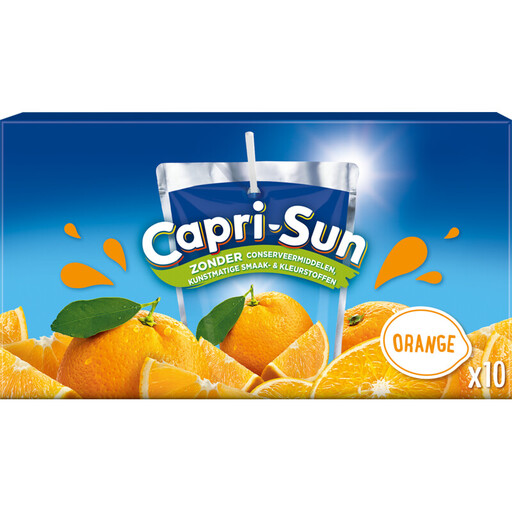
Why it suits this profile: A well-organised multipack with ten 200 ml pouches for school, visiting friends or a day out.
The product description states the fruit percentage and ingredients, and confirms the absence of colourings and preservatives. This allows you to compare the front of the pack with the ingredients list.
10 x 200 ml, 4.4 g of sugar per 100 ml according to the product data, and suitable for taking on the go.
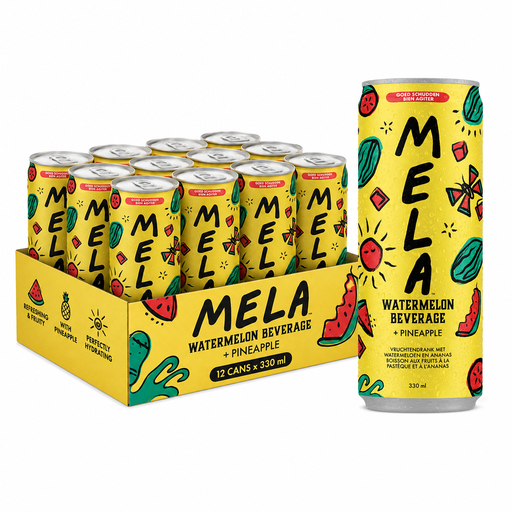
Why it suits this profile: For households looking for a larger supply with watermelon and pineapple flavour.
The product description specifically states 94% watermelon juice, 5% pineapple juice and 7.6 g of sugar per 100 ml. You can therefore see which information supports the fruit flavour.
12 x 330 ml, pasteurised and supplied as a stock box. According to the product description, it also contains vitamin C.
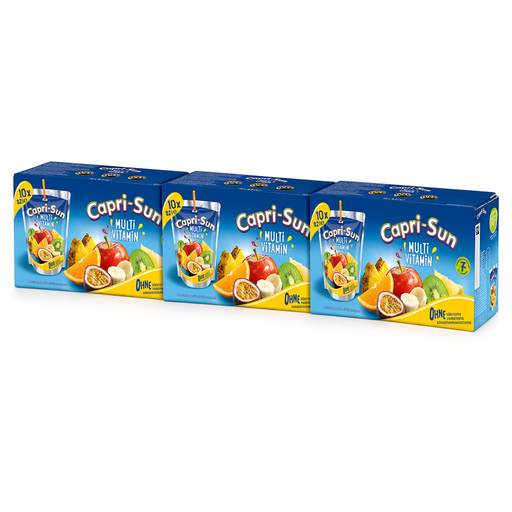
Why it suits this profile: A large stock pack for families, childcare settings or regular treats.
The pack contains three separate 10-packs. This means you can divide up your supply without having to store one large opened pack.
30 pouches of 200 ml, 10% fruit juice and, according to the product information, vegan, vegetarian, lactose-free and free from colourings.
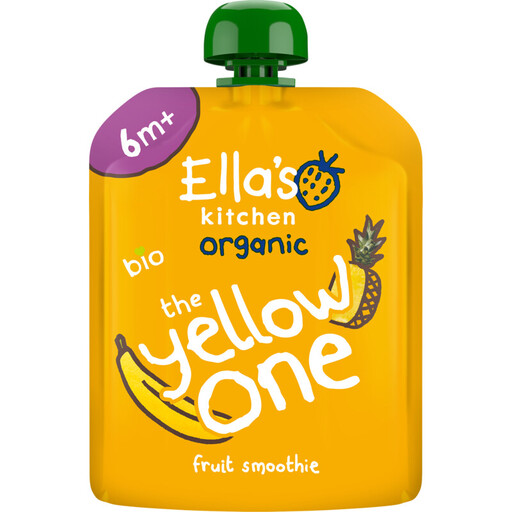
Why it suits this profile: The small pouch is designed for babies from the stated age and is practical at home or on the go.
The age recommendation, ingredients and storage instructions are listed separately. This is fruit purée, not a regular sweetened school drink.
90 g per pouch, organic fruit purée according to the product description and no added sugars.
We have put together a complete, up-to-date list of products that fully meet these strict selection criteria and the applicable European safety regulations.
Pouches or bottles of around 200 ml are practical for a school bag. Capri-Sun Orange, Cherry, Jungle and Multivitamin are supplied in 10-packs with 200 ml portions. Check in advance whether the school has rules about sugary drinks or packaging.
Always follow the label. Several products in this range state that an opened drink should be kept refrigerated and used within the specified period. Store unopened packaging in a cool, dry place away from direct sunlight. Also check the best-before date on the actual packaging.
Not necessarily. Compare the price per 100 ml or per litre and check the total quantity in the multipack. Also check whether “zero sugar”, “sugar-free” or “no added sugar” actually matches the nutrition table. This prevents a marketing term from influencing the comparison.
