
Vandaag of morgen in huis

Kwaliteit gegarandeerd

Welkomstaanbiedingen ontgrendelen: GRATIS bezorging | Tot 80% korting | Gratis 30 dagen JoyPlus-proefperiode
Download de app
Looking to buy chickpeas for hummus, curry, salad or a stew? You’ll soon come across different varieties, pack sizes and preparation methods. Choosing between dried chickpeas, tinned chickpeas, Turkish chickpeas and Indian varieties affects the cooking time, texture and price per portion.
Marketing copy often highlights terms such as “high in protein” or “traditional quality”, but they don’t tell you everything. Focus on the ingredients list, the net quantity and how you plan to use the chickpeas.
A jar or tin often contains chickpeas, water and sometimes salt or oil. The stated quantity isn’t always the same as the weight of the chickpeas once drained. For a fair price comparison, check:
With a multipack, such as HAK Chickpeas 6 x 225 g, you may pay more per pack, but you’ll have several portions ready to use.
Dried chickpeas keep for a long time and are often practical for larger households or commercial kitchens. They usually need to be soaked and cooked, so check that you have enough time to prepare them.
The usual method is:
Cooking times can vary by variety and harvest, so always follow the label.
Chickpeas are protein-rich pulses and typically contain carbohydrates and fibre too. However, nutritional values vary by product and preparation method. Dried chickpeas have different nutritional values per 100 grams from cooked chickpeas, as they absorb water.
According to the product information, Nitya Kala Chana contains 20 grams of protein per 100 grams when dried. In cooked varieties, the value per 100 grams is typically lower because of the water content. Always compare the same product form.
Dried chickpeas are a good choice if you’re preparing larger quantities and want to control how soft they become. Kabuli chana, also known as white chickpeas, works well in hummus, chole masala, soups and stews.
Cooked chickpeas are ready to use. Rinse them and add them to a salad, curry or soup. If you’re buying chickpeas in a tin or jar, check the ingredients list. Water and chickpeas make for a simple product, while salt, oil or food acids can affect the flavour and nutritional value.
Roasted chickpeas are intended as a snack or topping. They may be seasoned and contain more salt, oil or spices as a result. For example, Haldiram’s Spicy Roasted Chickpeas contains Bengal gram, vegetable oil, salt and spices. If you have allergies, also check for warnings about possible traces of nuts, peanuts, soya or gluten.
Turkish chickpeas are often referred to as nohut or Kabuli chana. Indian varieties have names such as kala chana and chana dal:
Origin doesn’t automatically guarantee flavour or quality. Use the ingredients list, nutrition table and preparation information as points you can check for yourself.
Before buying, check that the packaging is undamaged. Store dried chickpeas in a cool, dry place away from direct sunlight, following the product information. Once opened, an airtight storage container and a dry cupboard are practical options.
For ready-to-eat products, check the:
Allergen information can vary by product. Even if a product doesn’t list any of the 14 major EU allergens, it’s still a good idea to check the current label.
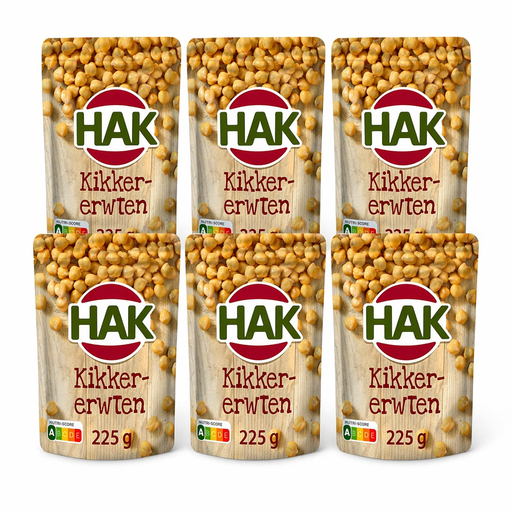
Why it suits this profile: The portions are already cooked and packed separately, so you can quickly make a salad, soup or hummus without soaking or cooking.
The fixed multipack makes the total quantity clear. Do check the salt content and ingredients on the pack.
Six individual packs, a cooked product and, according to the product information, 8.8 grams of protein per 100 grams.
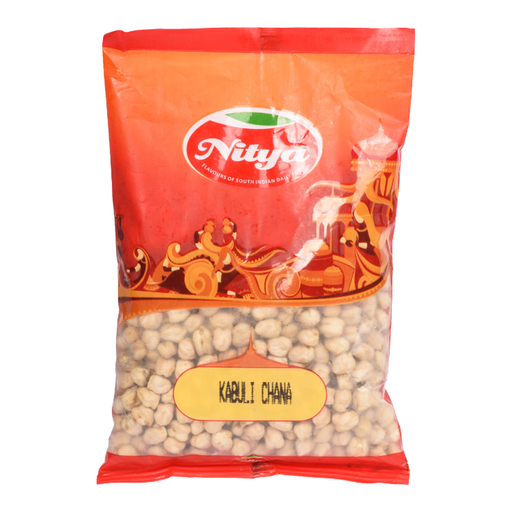
Why it suits this profile: These dried Kabuli chana are ideal if you want to choose how to prepare them, how soft they become and how much to serve.
The product is clearly labelled as dried, so you can allow time for soaking and cooking rather than expecting it to be ready to use straight away.
A 1 kg pack, suitable for chole masala, salads, soups and curries; the product information states 20 grams of protein per 100 grams.
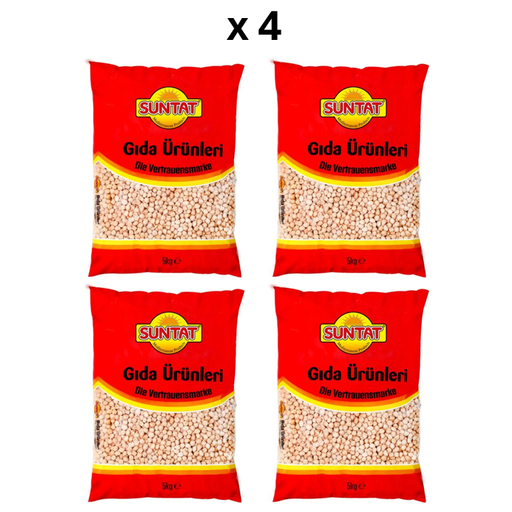
Why it suits this profile: This large pack is designed for high-volume use, such as in catering or for households that often make hummus and stews.
The pack is clearly marked as a large quantity. It’s less suitable for occasional use, but makes it easier to plan regular purchases.
A large total quantity and, according to the product description, suitable for hummus, soups, salads and stews. Soaking and cooking are still required.
We’ve put together a complete, up-to-date list of products that meet these strict selection criteria and current European safety regulations.
Add cooked chickpeas straight to a green salad with cucumber, tomato and herbs. For hummus, blend them with tahini, lemon juice and garlic. Dried chickpeas work well in an Indian curry or Turkish stew.
Kala chana has a firmer bite and can be used in spicy curries or salads. Chana dal softens more quickly when cooked and is suitable for vegetarian dal. When buying ready-made meals, such as bulgur with chickpeas, check whether you’re buying a complete dish or a single ingredient.
Yes, chickpeas in a tin or jar are usually already cooked and can be used after draining and rinsing. Always check the instructions and ingredients on the label.
Allow around 8 to 12 hours for soaking. Then cook them according to the product information until they’re soft enough for your dish. The exact time depends on the variety and age of the chickpeas.
Large, pale Kabuli chana or other soft, cooked chickpeas are a practical choice for hummus. Choose a product without strong seasonings and check the amount of salt or oil. That way, you can control the flavour and texture yourself.
