
Vandaag of morgen in huis

Kwaliteit gegarandeerd

Welkomstaanbiedingen ontgrendelen: GRATIS bezorging | Tot 80% korting | Gratis 30 dagen JoyPlus-proefperiode
Download de app
If you want to buy chewing gum online, you’ll quickly find dozens of varieties with similar packaging and marketing claims. Yet they can differ significantly in flavour, sweeteners, pack size and suitability for everyday use. A tub for the office, for example, needs different features from a small pack to take with you.
Look out for these common pitfalls before you order:
In sugar-free chewing gum, sugar is usually replaced with a combination of sweeteners. Don’t just check the front of the pack; read the full ingredients list too. Some products contain aspartame, acesulfame-K, sucralose or various polyols.
If you chew several pieces a day, it’s worth paying attention to the warning about excessive consumption. If you’re sensitive to certain sweeteners, check the ingredients beforehand. If you have an allergy, look out in particular for the statement “contains soya” or for possible traces of milk.
A tub containing 50 to 100 pieces is a good choice for a household, desk or regular supply. A resealable tub also helps protect the contents from moisture and odours. Portion packs or boxes are better suited to a bag or coat pocket.
Check the difference between net weight and the number of pieces too. Two packs weighing around 100 grams may contain different numbers of pieces because of differences in size and weight per piece.
Mint varieties such as peppermint chewing gum, wintergreen and menthol-eucalyptus have a distinctly refreshing flavour. Fruit chewing gum is often milder and sweeter, with flavours such as strawberry, cherry and watermelon, or a combination of strawberry and blueberry.
A liquid centre can add extra flavour, but that doesn’t automatically make a product suitable for everyone. If you’re looking for a simple chewing gum, focus on the base, sweeteners and flavourings rather than terms such as “intense” or “extra”.
When choosing chewing gum with vitamins, it’s important to check the amount per serving. For example, Mentos Gum Vitamins Citrus Blend lists vitamins C, B6 and B12. According to the product information, four pieces provide 25% of the daily reference intake. This is a product specification on the label, not a reason to treat chewing gum as a substitute for a balanced diet.
If you’re looking for vegan chewing gum, check the product description and ingredients list together. The Mentos Gum Vitamins Citrus Blend and Mentos Pure Fresh FreshMint mentioned above are described as vegan, but the product information also says they contain soya. A fruit- or vitamin-flavoured product isn’t automatically vegan or allergen-free.
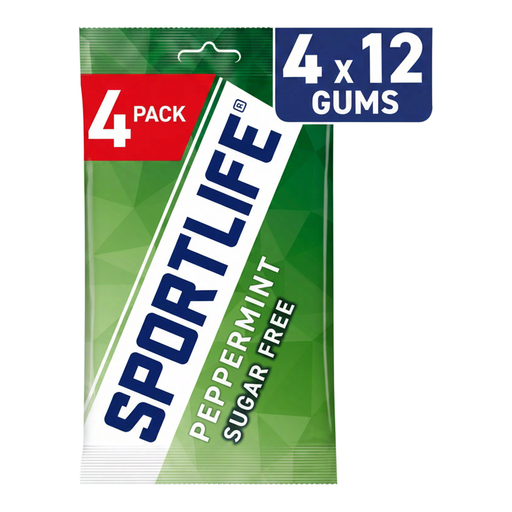
Why it suits this profile: Four portion packs make this sugar-free mint chewing gum practical for everyday use, at home or on the go.
The product information clearly lists four portion packs, zero grams of sugar per 100 grams and the sweeteners used.
Sugar-free, mint-flavoured and supplied in four individual packs. According to the product information, it contains none of the 14 major EU allergens.
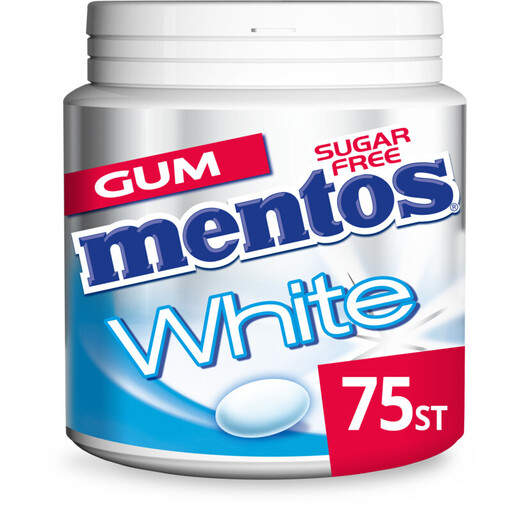
Why it suits this profile: According to the product description, the tub contains at least 75 pieces and is designed for use at home, at work or on the go.
The product page states that it’s suitable for vegans and that it contains soya. This helps you choose in line with your dietary preferences and allergies.
Sugar-free, described as vegan in the product information and supplied in a 113-gram tub with a sweet mint flavour.
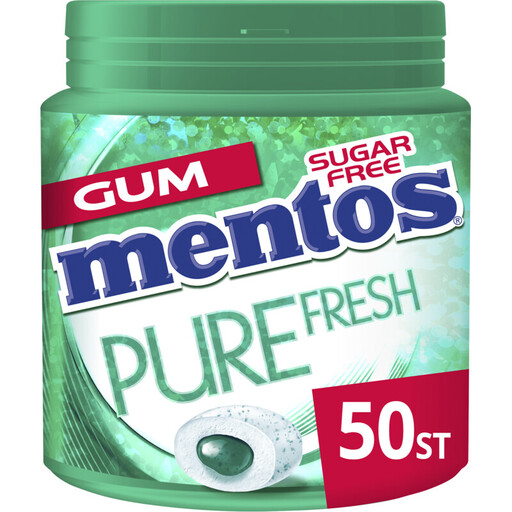
Why it suits this profile: The 100-gram tub contains 50 pieces, making it a good choice for regular use at the office, at home or while travelling.
The number of pieces and net weight are clearly stated. There’s also a warning that excessive consumption of polyols may have a laxative effect.
Sugar-free, with a wintergreen flavour and liquid centre, in a resealable tub that’s handy for keeping in stock.
We’ve put together a complete, up-to-date list of products that meet these strict selection criteria and current European safety regulations.
That depends on your personal preferences and the ingredients. Sugar-free chewing gum often contains polyols, so check the warning on the packaging and use the product as directed. If you’re unsure about an ingredient, compare the product’s ingredients with your own dietary needs.
The best-before information is on the packaging, usually on the tub, lid or bottom of the box. Store chewing gum in a cool, dry place, away from direct sunlight and moisture. Close the tub securely after use. Don’t use a pack that has been damaged.
A tub often has a higher net weight and contains more pieces, so it can be practical for regular use. Individual packs are more convenient on the go and help you keep your supply small. Always compare the price per 100 grams and the number of pieces, not just the price of the pack.
