
Vandaag of morgen in huis

Kwaliteit gegarandeerd

Welkomstaanbiedingen ontgrendelen: GRATIS bezorging | Tot 80% korting | Gratis 30 dagen JoyPlus-proefperiode
Download de app
Cheese crackers might seem simple at first glance: crunchy, savoury and ready to eat straight from the packet. Yet they differ quite a bit in flavour, size, ingredients and nutritional value. A large bag isn't always better value when you're mainly after small portions. And a product labelled "cheese flavour" doesn't automatically mean it contains much cheese.
As Joybuy Product Recommendation Officer, I filter the most important product information so you can compare marketing claims with verifiable data. Below, you'll find out what to look for when buying cheese crackers, cheese snacks, cheese biscuits and similar savoury crackers.
The packaging might emphasise a strong cheese taste, while the actual proportion of cheese powder is limited. For example, TUC Cheese Crackers lists 0.1% cheese powder. According to the ingredients list, the flavour there also comes from other aromas, whey powder and flavour enhancers.
Other products demonstrably contain more cheese. g'woon Cheese Crackers states 14% cheese and 5% cheese powder. Wasa Cheese Tomato Basil contains 9% cheese powder. So always check the ingredients list and the quantitative declaration before making your choice.
A multipack might seem handy for a family or a gathering, but individual portions can also mean you're buying relatively more packaging material. A 100-gram pack isn't directly comparable to three 40-gram portions either.
Pay attention to:
Cheese wafers and rice cakes with cheese flavour often feel light and airy, but always compare the nutritional values per 100 grams. Snack A Jacks Cheese Rice Wafers shows 382 kcal, 2.4 grams of fat and 1.2 grams of salt per 100 grams according to the product information. TUC Cheese Crackers lists 501 kcal, 24 grams of fat and 2.1 grams of salt per 100 grams.
That doesn't mean one variant is suitable for everyone. It does show why the nutrition table is more useful than just words like "light", "crispy" or "extra cheese".
First, look at the order of the ingredients. Ingredients are usually listed in descending order by weight. Also check whether there is:
For a pronounced cheese flavour, cheese powder and flavourings can be used. If you're mainly after the taste of real cheese, you can compare products with a clearly stated cheese percentage side by side.
Use the values per 100 grams for a fair comparison. Pay particular attention to:
A portion pack may contain fewer calories than a large bag, simply because the portion is smaller. So also look at the weight of one bag or one cracker.
Many cheese crackers contain milk and gluten. Some variants also mention soya, sulphites, sesame, egg or nuts as an ingredient or possible trace. If you have an allergy, always read the label on the packaging; recipes can change.
Once opened, crackers lose their crispness more quickly due to moisture. Store them according to the product information in a cool, dry place, seal the packaging well and don't use any product whose packaging is damaged.
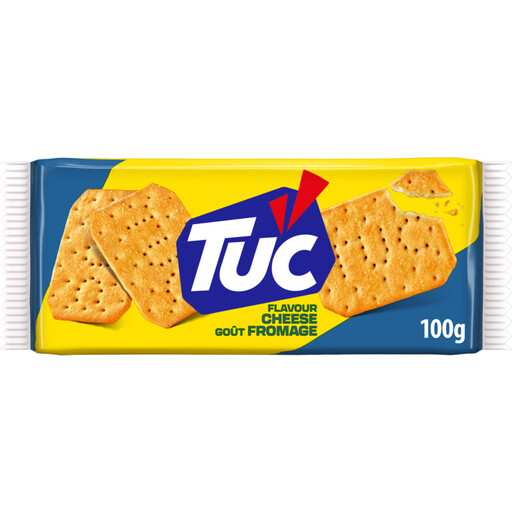
Why this fits the profile: The 100-gram pack is straightforward for a first purchase, a film night or a small get-together.
The nutritional values and ingredients are clearly stated, including 0.1% cheese powder. This way you won't confuse the cheese flavour with a high cheese percentage.
100 grams, oven-baked according to the product description and 501 kcal with 2.1 grams of salt per 100 grams.
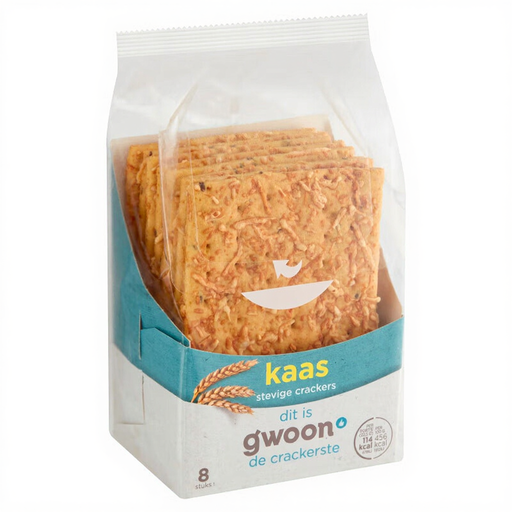
Why this fits the profile: This larger size suits a household that wants to share cheese crackers at a gathering or with a cheeseboard.
The stated cheese percentage of 14% makes the composition easier to verify than a product that only mentions cheese flavour.
200 grams, 15.4 grams of protein and 1.28 grams of salt per 100 grams according to the product information.
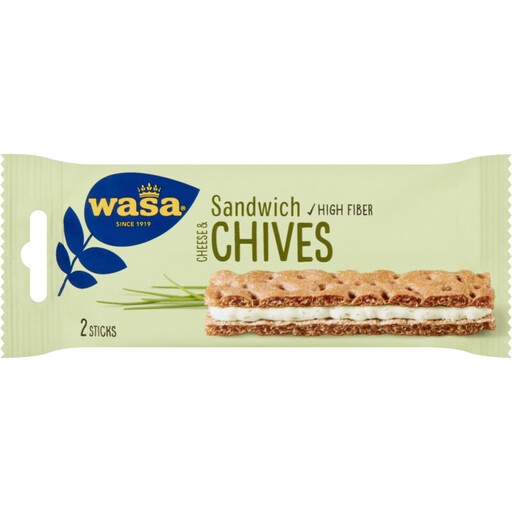
Why this fits the profile: The three individual portions are practical for work, travel or a snack on the go.
The portion packaging limits exposure to moisture after opening. The product information also mentions wholemeal rye and 13% fibre.
Three portions of 37 grams, 449 kcal and 0.95 grams of salt per 100 grams.
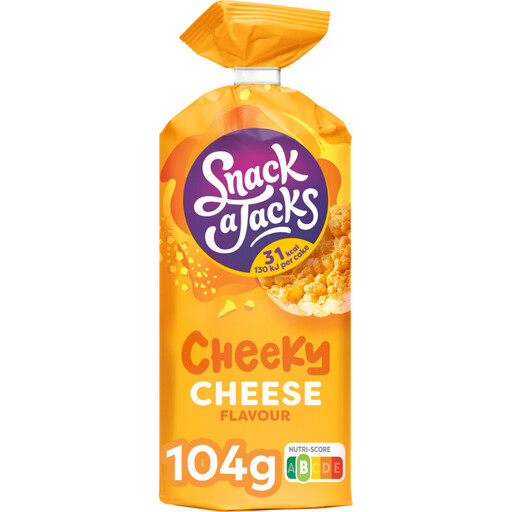
Why this fits the profile: These cheese-flavoured rice wafers suit anyone looking for a light texture and individual wafers rather than compact cheese biscuits.
The nutritional value is given per 100 grams and per pack. This helps you judge the portion size better than relying on the term "light" alone.
104 grams, 13 wafers per roll according to the product information and 2.4 grams of fat per 100 grams.
We've put together a full, up-to-date list of products that fully meet these strict selection criteria and comply with current European safety regulations.
For party snacks, you can combine different textures. For example, choose sturdy crackers for dips, cheese straws or grissini for a snack board, and small cheese wafers for easy sharing. Deli Di Paolo Grissini Wave Parmigiano Salt contains 7.5% Parmigiano Reggiano according to the product information and comes in a 150-gram pack.
If you'd prefer a filled snack, look at sandwich variants. ULKER CIZIVIC Sandwich Cracker with Cheese Cream comes as 3 x 82 grams and contains 2.7% cheese powder according to the ingredients list. Watch out for milk, gluten, soya and sulphites as listed allergens.
That varies by product. Some ingredients lists mention cheese with animal rennet or other animal-derived ingredients. So check the label or product information on the specific pack if a vegetarian composition is important to you.
Store them in a cool, dry place away from heat and moisture. Seal the packaging well or use an airtight container. This usually helps keep them crisp for longer. Always follow the storage instructions on the pack.
Cheese crackers are usually made from wheat flour and have a compact or light biscuit texture. Cheese-flavoured rice cakes use rice and sometimes maize as a base and are often lighter and more porous. Before you buy, compare the ingredients, salt content, cheese percentage and weight per pack.
