
Vandaag of morgen in huis

Kwaliteit gegarandeerd

Welkomstaanbiedingen ontgrendelen: GRATIS bezorging | Tot 80% korting | Gratis 30 dagen JoyPlus-proefperiode
Download de app
A cast iron pan is an investment in your kitchen. Chosen well, it will last a lifetime and elevate your dishes to the next level. But the market is full of pans that look robust but underperform in practice. Before you buy a cast iron pan, it's crucial to know what to look for. We'll discuss the three most common pitfalls that can lead to a failed purchase.
Many pans are advertised with unique non-stick coatings. For enamelled cast iron, the quality of the enamel layer is crucial. A cheap, thin layer can crack or chip after just a few months, especially at high temperatures or when using metal utensils. The pan loses its functionality and can even become unsafe.
A pan might carry the "pan for induction" label, but that's no guarantee of good performance. If the base isn't perfectly flat, the pan makes poor contact with the hob. The result: the pan heats up slowly or unevenly and consumes unnecessary energy. This is a common frustration with lower-quality pans.
Cast iron is heavy. That's a fact and part of its charm. But if the weight is poorly distributed or the handles are too small or awkward, the pan becomes a burden in the kitchen. Safely moving a full, hot cast iron casserole from the hob to the oven then becomes a risky endeavour.
To make the right choice, focus on a few objective features. These specifications determine the performance and lifespan of your pan.
This is the first and most important choice.
For anyone cooking on a ceramic, electric, or induction hob, a perfectly flat base is essential. Check the product specifications and opt for brands known for their precise finish. A concave or convex base leads to heat loss and frustration. The diameter of the base should also match the size of your cooking zone for optimal efficiency.
Don't just look at the diameter; consider the capacity in litres. This gives a better idea of its volume.
Below are some popular choices, matched to specific user profiles.
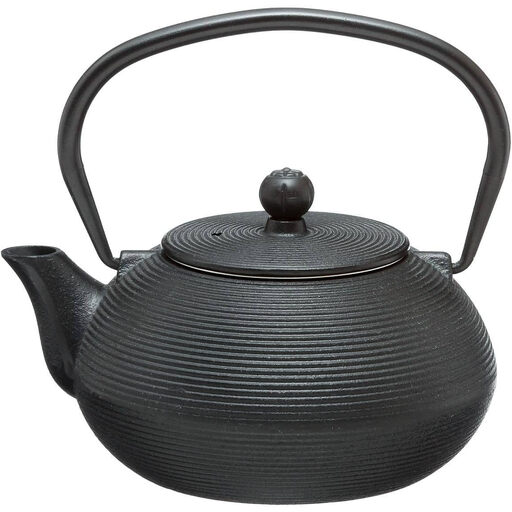
Why This Fits Their Persona: This traditional Japanese cast iron teapot is ideal for those who love a ritual. The cast iron keeps tea exceptionally hot for much longer than ceramic or glass. Perfect for a quiet moment alone or with a partner.
The enamelled interior prevents rust and makes cleaning easy, thus avoiding the maintenance pitfall of bare cast iron. It's a functional product, not a purely decorative item that fails to retain heat.
Keeps tea at temperature for an extended period. Comes with a stainless steel tea infuser for loose-leaf tea. The specially shaped spout doesn't drip.
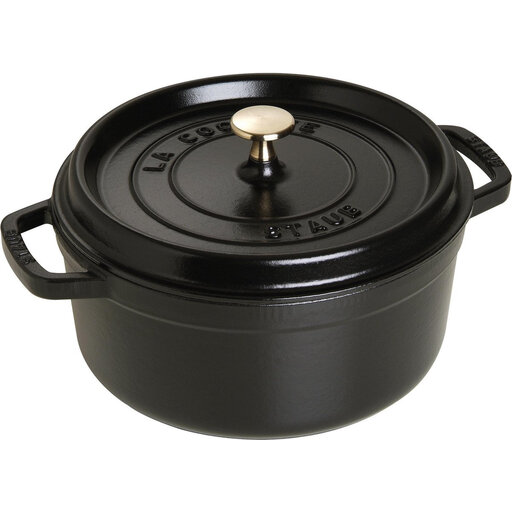
Why This Fits Their Persona: For those who take cooking seriously, a Staub pan is a workhorse. Ideal for stews, soups, and even baking bread. The 24 cm size with 3.8L capacity is perfect for a family of 3-4 and delivers consistent results.
The matte black enamel interior is extremely durable and specially designed for better searing (pitfall 1). The base is perfectly flat for optimal contact with induction (pitfall 2). The handles are sturdy and provide a good grip (pitfall 3).
The lid features 'picots' that evenly distribute condensation over the dish, ensuring extra-juicy meat and vegetables. Suitable for all heat sources, including the oven.
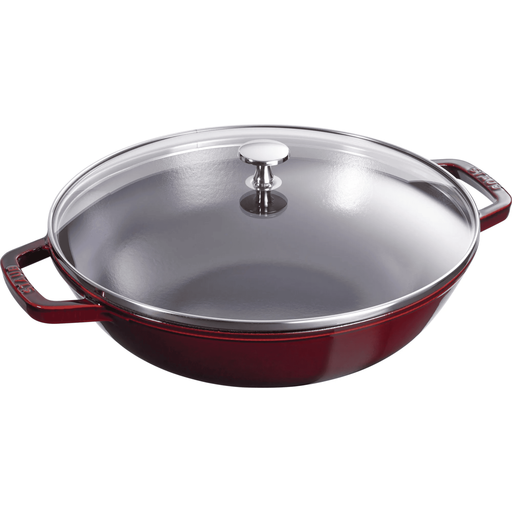
Why This Fits Their Persona: A cast iron wok retains heat much better than a traditional carbon steel wok. This ensures a constant, high temperature that is essential for a proper stir-fry. The 30 cm diameter is a versatile size for various Asian dishes.
Unlike traditional woks with a round bottom, this one has a flat base. This allows it to sit stably and work efficiently on flat hobs like induction (pitfall 2). The two handles provide a secure grip for the heavy pan (pitfall 3).
Superior heat retention for authentic stir-frying. Suitable for all heat sources. Comes with a glass lid, chopsticks, a spatula, and a draining rack.
We have compiled a complete, up-to-date list of products that meet these strict selection criteria and comply with current EU regulations.
For enamelled cast iron, it's simple: washing with a soft sponge and dish soap is sufficient. For bare, unseasoned cast iron, the process is different. Clean the pan with hot water and a brush (preferably no soap). Then, dry it immediately and completely, for example, by placing it on low heat for a minute. Finally, rub a very thin layer of vegetable oil on the inner surface to maintain the protective layer and prevent rust.
Brands like Le Creuset and Staub are known for their exceptional quality enamel, precise finish (like a perfectly flat base), and long lifespan. According to the manufacturer, Staub pans are still produced in France. While there are certainly cheaper alternatives, these premium pans often offer more consistent cooking performance and, with proper use, will last for generations. The choice depends on your budget and how intensively you plan to use the pan.
