
Vandaag of morgen in huis

Kwaliteit gegarandeerd

Welkomstaanbiedingen ontgrendelen: GRATIS bezorging | Tot 80% korting | Gratis 30 dagen JoyPlus-proefperiode
Download de app
Buying candy online is an adventure. The selection is immense, from familiar Dutch licorice to exotic Asian sweets you see trending on TikTok. But this abundance can also be overwhelming. How can you be sure that what you order will actually taste good and not end up being a letdown? As a Product Recommendation Officer at Joybuy, I see what's on the market every day. I'm here to help you recognize the common pitfalls and make a choice that's right for you.
Before you fill your digital shopping cart, here are a few common missteps you can avoid:
To make a smart choice, it's helpful to focus on a few objective characteristics. These specifications help you look past the marketing and determine if a product is right for you.
The ingredient list is your most important tool. It's wise to check it carefully, especially if you want to try Asian candy or other international varieties.
The description of the texture provides a good indication of the eating experience.
The candy selection is more diverse than ever. You can choose between familiar flavours and completely new experiences. For example, if you plan to buy licorice, you often know what to expect. With Japanese candy, the focus is often on unique textures (like mochi-style) and more subtle, fruity flavours. Knowing which type of candy you prefer allows you to search more effectively.
To help you choose, I've highlighted a few products that suit different preferences. These recommendations are based on their product specifications and unique qualities.
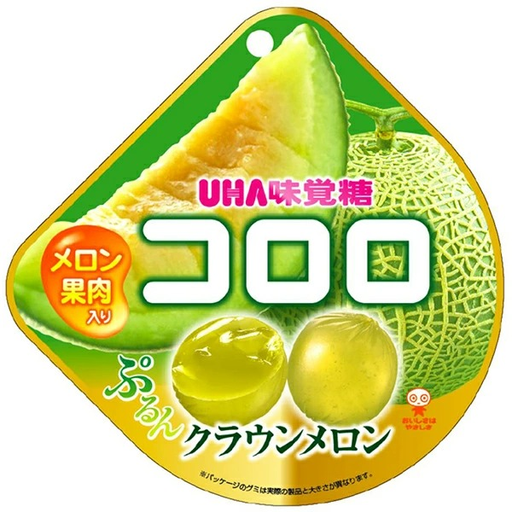
Why This Fits Their Persona: Ideal for those seeking a unique texture. This Japanese candy combines a soft, almost fruit-like gummy with pieces of real melon, an experience you won't easily find in the European candy aisle.
The product description is specific about the texture and the addition of "diced cantaloupe flesh." This avoids the "hype vs. reality" trap; you know exactly what unique structure to expect.
Made with real fruit juice and fruit pieces. It offers an authentic and innovative flavour and texture experience, characteristic of much Asian candy.
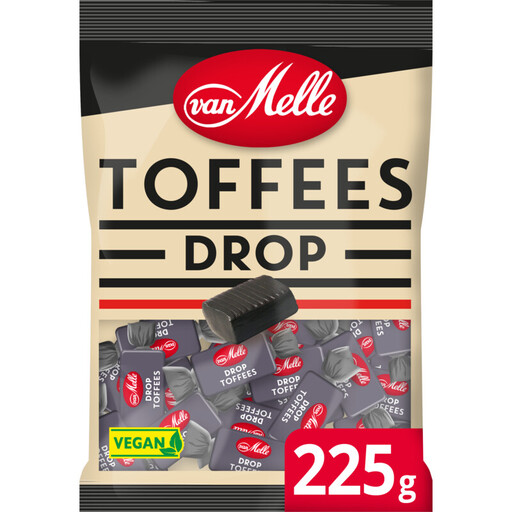
Why This Fits Their Persona: Perfect for those who love the familiar taste of licorice but are open to a slight twist. This product combines the classic licorice flavour with the soft, chewy texture of a toffee.
This is a product from a well-known brand with a clear flavour description. No vague promises, just a recognizable taste in a new form. The ingredient list is clear, and you know what you're buying.
Individually wrapped, making them convenient for on-the-go or sharing. The toffee texture offers a softer experience than traditional, harder licorice types.
Why This Fits Their Persona: This is a prime example of TikTok candy. It capitalizes on the "freeze-dried" trend, completely transforming the texture of familiar sour candies into a light, crunchy, and airy snack.
The product page is transparent about its contents. It not only states that it's freeze-dried but also includes the legally required warning for the AZO dyes present. This helps you avoid the vague ingredients trap.
Offers a completely new textural experience. The combination of the intense sour flavour with the surprisingly crunchy structure makes it a unique snack for those who love trying new things.
We've compiled a complete, up-to-date list of products that meet these selection criteria and comply with current regulations.
The biggest difference is often in texture and flavour profile. Whereas Dutch confectionery often has a distinct sweet or salty (licorice) taste, Asian candy more frequently focuses on complex textures, like the soft and springy structure of gummies or mochi. The flavours are typically more subtle and centered on real fruit, such as lychee, yuzu, or melon, and sometimes even savory (umami) varieties.
When ordering candy for a party or as a giveaway, a few things are practical. Check if the candies are individually wrapped; this is hygienic and makes them easy to hand out. Additionally, always read the full ingredient list to check for common allergens like milk, nuts, soy, and gluten, especially when sharing with a group of children.
The term "sour" is subjective, but the ingredient list provides an objective indication. Look for food acids like citric acid (E330) or malic acid (E296) high up on the list. The higher they are listed, the larger their proportion in the product, and the more sour the taste is likely to be. Product names containing "sour" are a good hint, but the ingredients are the deciding factor.
