
Same-day & Next-day Delivery

Quality Guaranteed

Unlock Your Welcome Offers: FREE Delivery | Up to 80% OFF | Free 30-day JoyPlus trial
Download the APP
Looking to buy burgers for a quick meal, a barbecue or a party? Comparing them might seem straightforward, but packaging can give a misleading impression. A larger pack isn’t automatically better value, and a term such as “Angus” only tells you so much unless you also check the meat percentage and cooking instructions.
This buying guide covers ingredients, portion size, storage and cooking methods. That way, you can make an informed choice between frozen burgers, an Angus burger, a chicken burger, a beef burger or a Chinese-style hamburger.
A burger can contain chicken, pork, beef, soya or a combination of these. For example, according to the product information, g’woon Burgers contain 62% mechanically separated chicken meat and also include pork fat. That makes them different from a beef burger or an Angus burger.
Always check:
A brand’s claim about taste or quality isn’t objective proof. With an Angus burger, you can check the stated meat percentage. Angus Burger 250g and The Meatlovers Angus burger 250g x 2 both state that they contain 99% Angus beef, with sea salt and herbs. That’s easier to verify than a purely promotional description.
Some brands or sellers describe their burgers as juicy, full of flavour or premium, based on their own information. Treat this as product positioning and compare it with the ingredients, fat content and cooking instructions.
A pack of 12 burgers is handy for a family, barbecue or party, but less suitable if you have limited freezer space. Don’t just look at the number of burgers: check the total weight and portion size too. Also check whether the burgers are individually wrapped. That affects how easy it is to use exactly the number of portions you need.
A seasoned chicken burger could be a good choice for a simple snack. If you’re after a distinct beef flavour, look for a beef burger with a high meat percentage and few additional ingredients. A soya-based veggie burger can be an alternative, but check its protein and salt content, as well as the allergens.
Take extra care with international products. According to the product information, SIJIA KITCHEN Chinese Beef Hamburger 165g contains 40% beef, as well as ingredients including wheat, soya and sesame. It’s a Chinese-style hamburger with soft, chewy flatbread and a seasoned filling. This is a different type of product from a burger designed for a standard burger bun.
When buying frozen burgers, follow the storage instructions. Products in this selection generally need to be stored at -18 °C or below. Once defrosted, they must not be refrozen. Keep defrosted products chilled and check the use-by period on the packaging.
Also look out for the difference between:
Angus Burger 250g states a minimum core temperature of 70 °C. Cook it in a pan, on a grill or on the barbecue, and check that it’s thoroughly cooked. The Chinese beef hamburger instructions state that it must be heated before eating.
A burger meal is about more than just the meat. Check that the diameter and thickness work with your burger buns. Lekhaven Bakkerij Brioche Hamburger Buns come in a pack of two and need around four hours to defrost. That’s handy for a small meal, but less practical if you’re cooking for a large group.
The sauce can also change the result. Ji Xiang Ju Chinese Burger Sauce 240g is a ready-to-use, mildly spicy sauce containing ingredients such as pickled mustard tuber, mushroom and fermented beans. According to the label, it contains allergens including gluten, soya and mustard. Check the allergen information before adding it.
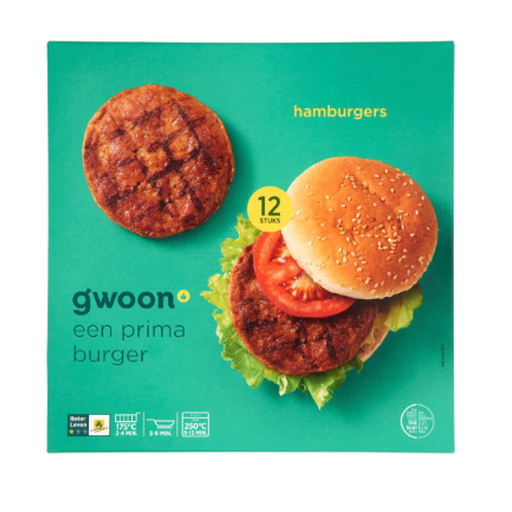
Why it suits this shopper: A pack of 12 is a good fit for families, stocking up the freezer and barbecues with several guests. These burgers are intended for grilling or frying.
The label clearly lists 62% mechanically separated chicken meat, pork fat and the allergens present. So you can see that these aren’t pure beef burgers.
12 burgers per pack; suitable for pan-frying and grilling; can be stored frozen.
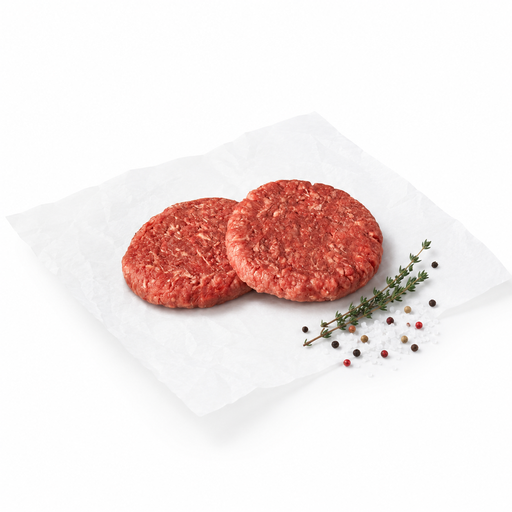
Why it suits this shopper: If you prefer a short ingredients list, this burger contains 99% Angus beef, sea salt and herbs.
The high stated beef percentage makes the ingredients easy to verify, without a long list of binding agents or flavourings.
99% Angus beef; none of the 14 major allergens listed; suitable for barbecuing and pan-frying.
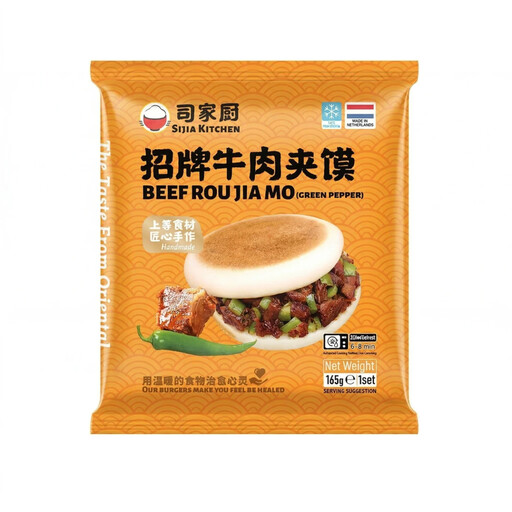
Why it suits this shopper: A good choice if you’re after a Chinese-style hamburger with flatbread, seasoned beef filling and a different texture from a classic burger.
The product information states that it contains 40% beef and needs to be heated thoroughly. So you know it isn’t a ready-to-eat snack.
165 grams per burger; 40% beef; suitable for cooking in a pan or oven; allergens clearly listed.
We’ve put together a complete, up-to-date list of products that meet these strict selection criteria and the relevant European safety regulations.
As a general guide, allow one burger per adult as a main course, and remember to include buns, salad, chips and sauces. A smaller portion may be enough for children or a buffet. Always compare the weight of each burger: two packs with the same number of burgers can still have different total weights.
It depends on the product instructions. Some frozen burgers can be cooked straight from the freezer, while others need to defrost in the fridge first. Always follow the label. Angus Burger 250g instructions say to defrost the burger fully in the fridge, then heat it to at least 70 °C.
Mild sauces work well with beef, chicken or veggie burgers. For a Chinese-style hamburger, you could choose a sauce with fermented beans, pickled vegetables or chilli. Always check the salt content and allergens in burger sauce. According to the product information, Ji Xiang Ju sauce contains gluten, soya and mustard, and has a salt content of 7 grams per 100 grams.
