
Vandaag of morgen in huis

Kwaliteit gegarandeerd

Welkomstaanbiedingen ontgrendelen: GRATIS bezorging | Tot 80% korting | Gratis 30 dagen JoyPlus-proefperiode
Download de app
A brush might seem like a simple product, but you’ll soon notice if you’ve made the wrong choice. A clothes brush that leaves lint behind, a washing-up brush with an awkward handle, or a car-wash brush that traps grit can cost you money and cause frustration. So if you’re looking to buy brushes, it’s worth considering the intended use, the materials and how to maintain them before you make a decision.
A cheap brush can be fine for occasional use, but always check how it’s made. Pay attention to how the bristles are fixed, how sturdy the handle is, and whether the brush can dry properly. With daily use, a less suitable brush can warp more quickly or become unhygienic.
Soft bristles aren’t automatically right for every surface. A clothes brush needs to remove lint without you having to scrub hard against delicate fabric. For a car-wash brush, the most important thing is that sand and dirt are rinsed out first. A hard nail brush can clean thoroughly, but it isn’t designed to be used with heavy pressure on sensitive skin.
Terms like “scratch-free”, “durable” or “for all surfaces” only mean something if the product description also gives concrete details. Check the material used, the dimensions, the type of bristles and the care instructions. According to a brand’s own research, certain performance claims can be made, but that isn’t universal proof for every use scenario.
With a clothes brush, look at the type of surface it’s intended for, such as wool, cotton or synthetic fabrics. A compact model with an ergonomic handle is practical for home and on the go. For a durable cleaning brush, information about recycled materials or a long service life is relevant, but also check whether the product can dry properly.
For a washing-up brush, nylon bristles and a plastic handle are common. The YORK Dish Brush, for example, states a handle made from 100% recycled PP granulate and bristles made from 100% nylon. These are verifiable material specifications. A washing-up brush with angled bristles can help with baked-on dirt, while a long handle is handy for deep pans or bottles.
The dimensions determine how precisely you can work. A nail brush measuring 8.5 cm is compact and easy to store. For a car, a longer handle is more useful. The Black & White Chenille Car Wash Mop features an extendable aluminium handle, an adjustable brush head and a quick-release head. This lets you adjust the length to suit a saloon, SUV or van.
For a make-up brush, the shape and density of the bristles matter. A round powder brush is designed for loose or compact powder products. Also check the material: the Dr. Hauschaus model states synthetic hair and a vegan design.
A brush should be easy to clean after use. Rinse bristles thoroughly and let them dry completely before storing the brush. This applies to a car-wash brush, washing-up brush and nail brush. For a car, you should first remove sand and other loose dirt with water. Otherwise, even a soft chenille head can spread dirt across the paintwork.
For a toothbrush, children’s toothbrush or interdental toothbrush, the hardness, head size and age recommendation are important. Replace a toothbrush according to the packaging or as soon as the bristles are worn. Don’t use excessive pressure. With children, supervision is needed when the packaging advises it. The Reach Interdental Toothbrush is described as being suitable for adults and teenagers; check the packaging for the exact contents, as the title and product details don’t always highlight the same quantities.
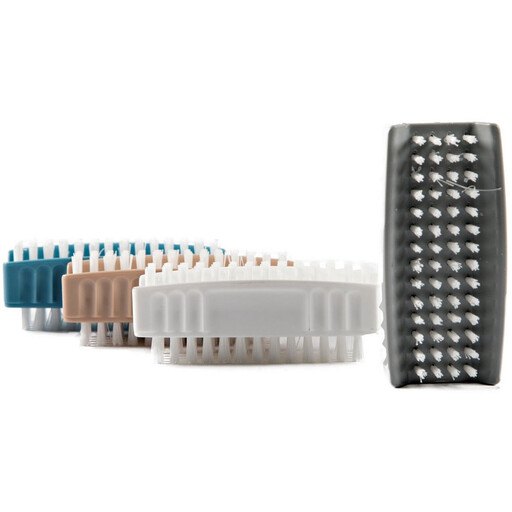
Why this fits the profile: This compact model, measuring 8.5 cm, is ideal for anyone looking for a simple nail brush for home or on the go.
The dimensions and plastic material are stated, so you don’t have to rely on a general claim alone. Use the firm bristles without applying excessive pressure.
8.5 cm long, lightweight and fitted with a plastic handle that’s easy to rinse clean.
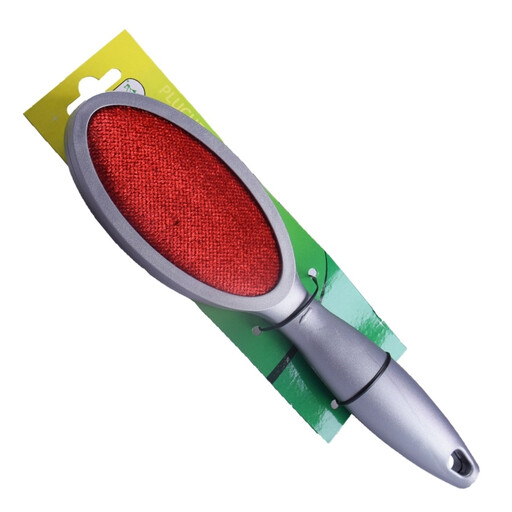
Why this fits the profile: For those who regularly care for their clothes and want a reusable clothes brush without disposable rolls.
The product description mentions use on wool, cotton and synthetic fabrics. Brush gently in the direction of the fibres and test on an inconspicuous area first.
Compact size, ergonomic grip and reusable design according to the product information.
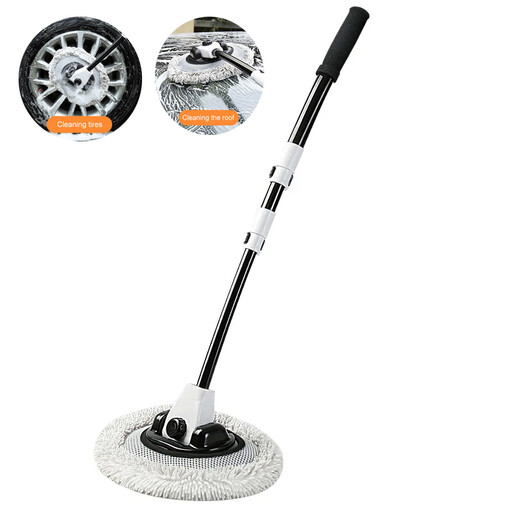
Why this fits the profile: A practical car-wash brush for anyone who wants to wash different parts of the vehicle and hard-to-reach areas with a single handle.
The instructions advise rinsing both the car and the brush first. This reduces the risk of grit being rubbed across the paintwork; always follow this step.
Extendable aluminium handle, 90° adjustable head and detachable chenille head for cleaning and drying.
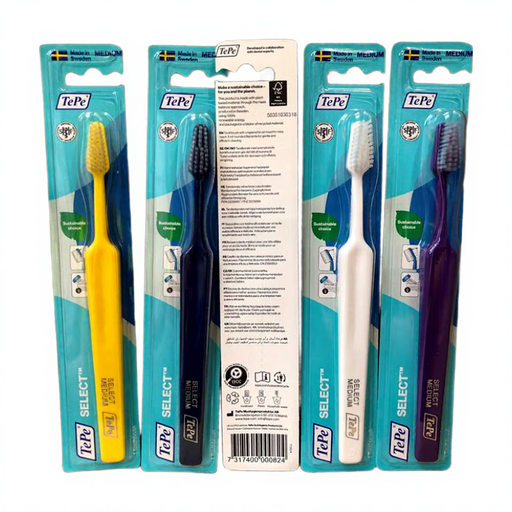
Why this fits the profile: A toothbrush for adults and older children who want a medium hardness and a compact head.
The variant, materials and target audience are clearly stated. Don’t choose a hardness based solely on a marketing term, and replace the brush when the bristles are worn.
Medium nylon bristles, tapered head and polypropylene handle according to the product details.
We’ve put together a full, up-to-date list of products that fully meet these strict selection criteria and comply with current European safety regulations.
That depends on the use. Replace a toothbrush when the bristles are worn or according to the packaging. A cleaning brush or clothes brush can last longer if you clean it after use, let it dry completely and don’t use it on the wrong surface.
Rinse off dirt with water after use and remove hairs or lint by hand. Let the brush air dry, preferably not for long periods in an enclosed damp space. Don’t use harsh cleaning agents unless the manufacturer allows it.
For cars and deep household items, a long or extendable handle is practical. For oral care, a narrow or interdental toothbrush can be more targeted. Always check the age and usage advice before buying a brush.
