
Vandaag of morgen in huis

Kwaliteit gegarandeerd

Welkomstaanbiedingen ontgrendelen: GRATIS bezorging | Tot 80% korting | Gratis 30 dagen JoyPlus-proefperiode
Download de app
Choosing bottled water seems simple—until you place an order online. You're faced with terms like mineral water, spring water, various packaging options, and a wide array of brands. The wrong choice can leave you with a stock of water that doesn't meet your needs, whether for home, the office, or on the go. This guide will help you make an informed decision based on factual product characteristics, ensuring you can order exactly the water you need.
To make the right choice, it's helpful to understand the key differences between the available types of water. The criteria are based on established standards and product parameters.
The terms are often used interchangeably, but there is an official distinction.
The next step is choosing the texture and taste.
Packaging is a practical consideration.
Below is a selection of products, chosen based on their specific features and applications.
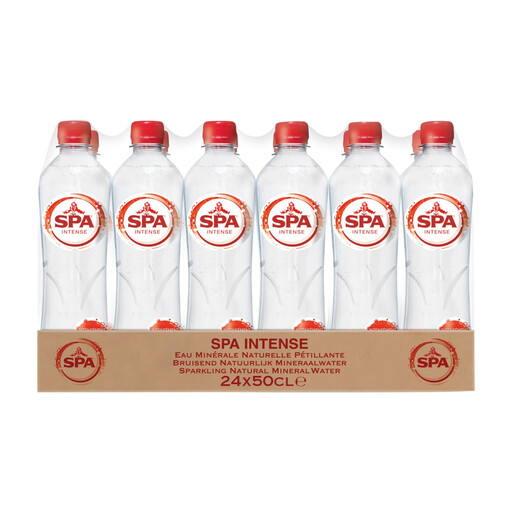
Why this product: Spa Intense is a natural mineral water with a very high carbonation level, providing an intense sparkling experience. The water originates from the Belgian Ardennes and is known for its purity and very low mineral and salt content. This case of water with 24 bottles is practical for managing stocks.
Benefits:
Who is this for: This product is ideal for those who love intensely sparkling water. The bulk pack makes it a logical choice for offices, sports clubs, or households that regularly consume sparkling water.
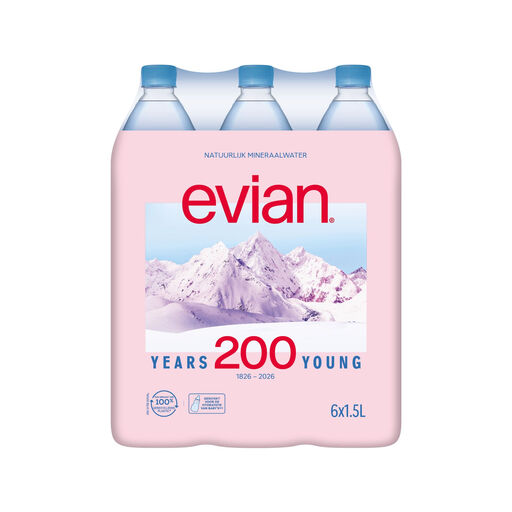
Why this product: Evian water is a globally renowned brand of natural mineral water. It originates from a source in the French Alps and is characterised by its balanced mineral composition. This is still water, ideal for daily hydration. The pack of six 1.5-litre bottles is designed for home use.
Benefits:
Who is this for: This water is an excellent choice for households that prefer still mineral water with a consistent, neutral taste. It is suitable for the whole family and for everyday use.
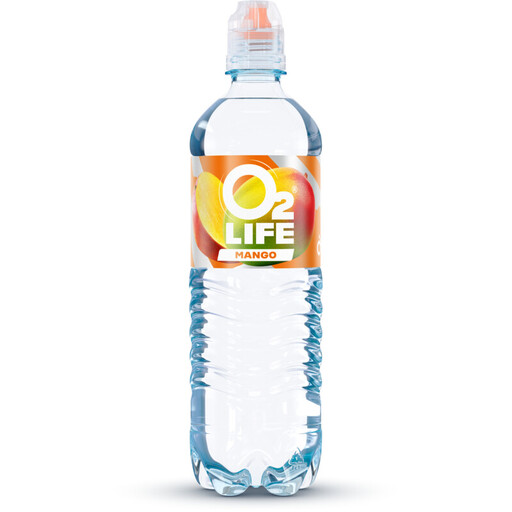
Why this product: O2Life Mango is a still spring water-based beverage. It stands out with the addition of mango flavour and a blend of vitamins. According to the manufacturer, the product is enriched with extra oxygen. It is an alternative for those who find plain water uninteresting but want to avoid sugary soft drinks.
Benefits:
Who is this for: This product targets consumers looking for a functional beverage or a flavourful, non-carbonated alternative to water. It is particularly appealing to athletes or anyone seeking a drink with added vitamins.
The products above represent only a small fraction of the total selection available. The choice of water is personal and depends on taste, budget, and intended use. Countless other brands, pack sizes, and types are available, from local spring water to specialised mineral water from various sources.
For a complete overview of all available types, you can browse our main drinking water category.
1. What is the difference between mineral water and spring water? Natural mineral water must meet strict requirements regarding its constant mineral composition and must be officially recognised. Spring water also comes from an underground source, but its composition does not have to be constant. Both are bottled directly at the source.
2. Is water in a glass bottle better than in a plastic (PET) bottle? Both types of packaging have pros and cons. Glass is perceived by some as more taste-neutral and is infinitely recyclable. PET bottles are lighter, shatterproof, and generally more energy-efficient to produce and transport. Both glass and PET are safe for food contact and are highly recyclable.
3. How long does bottled water last? Bottled water does not spoil like fresh produce, but its quality can decline over time. Each bottle has a best-before date. For optimal taste and quality, it is recommended to store the water in a cool, dry, and dark place. After opening, the bottle should be refrigerated and consumed within a few days.
Written by: Joybuy Product Recommendation Officer
