
Vandaag of morgen in huis

Kwaliteit gegarandeerd

Welkomstaanbiedingen ontgrendelen: GRATIS bezorging | Tot 80% korting | Gratis 30 dagen JoyPlus-proefperiode
Download de app
A blender seems like a simple purchase—until you start looking online. You're flooded with terms like wattages, pulse frequencies, and even "nutrient extraction." Many of these marketing buzzwords are designed to make you pay more for features you might never use. Before you buy a mixer, it's wise to know what to look for.
Many people fall into a few common traps. The first is the "wattage myth": the idea that more power is always better. A 1200W motor sounds impressive, but for a simple smoothie maker, it's often unnecessarily loud and energy-intensive. Another pitfall is the jug material. A cheap plastic jug can become permanently stained orange or retain odours after blending tomato soup just a few times. Finally, ease of cleaning is often overlooked. A blender with awkward corners or a fixed blade quickly becomes a dust collector in the back of the cupboard.
To avoid a bad purchase, it's better to focus on a few concrete specifications that truly matter for your needs.
Not every mixer is the same. The terms are often used interchangeably, but there are clear differences:
blender for smoothies can also handle ice and frozen fruit.stand mixer can not only mix but also knead, chop, and grate, and sometimes even make pasta, thanks to a powerful motor and various attachments.So, first, consider what you'll be doing most: making drinks, puréeing soups, or kneading heavy dough? The answer determines which type of kitchen mixer you need.
Don't be tempted by the highest wattage. Match the power to what you plan to prepare:
The jug is where the action happens. The material has a major impact on usability and durability.
Below are a few models that suit different users, based on their objective specifications.
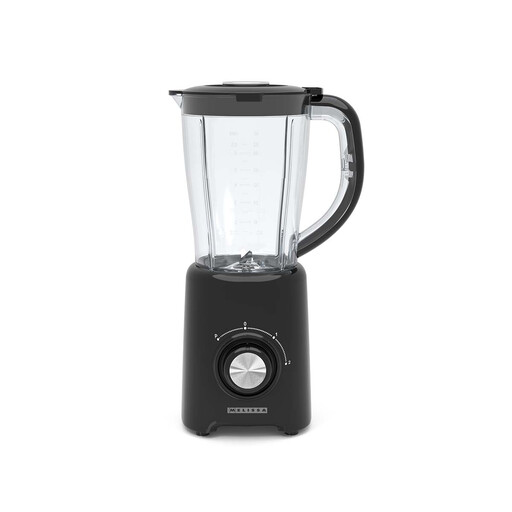
Why This Fits Their Persona: Ideal for those who want to make daily smoothies or simple soups without spending a fortune. The controls are straightforward, and the appliance isn't unnecessarily complex.
At 800W, it has enough power for frozen fruit, but you're not paying for excessive wattage. The plastic jug is lightweight, and the parts are dishwasher-safe, which solves the cleaning problem.
Offers solid power at an accessible price. The pulse function provides extra control for a coarser texture. The jug has a generous 1.5-litre capacity.
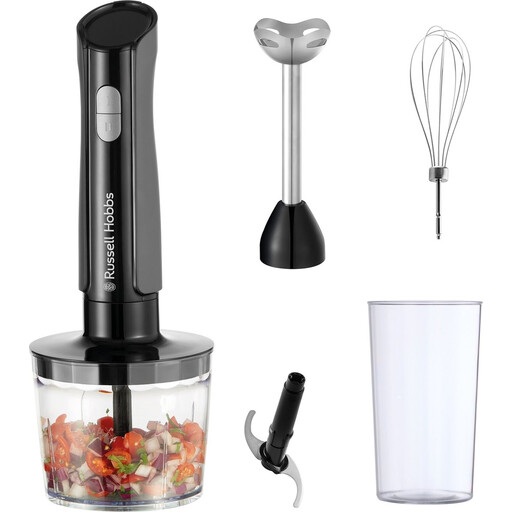
Why This Fits Their Persona: For those who want to do more than just blend. This set combines an immersion blender with a chopper and whisk, saving you space and money on separate appliances. Perfect for soups, pestos, and sauces.
This is not a one-trick pony. Its versatility ensures the appliance gets used more often. The detachable and dishwasher-safe parts make cleaning simple, so it won't be left in the cupboard.
3-in-1 functionality: blend, chop, and whisk. The set includes a 600 ml beaker and a 500 ml chopping bowl. The parts are dishwasher-safe.
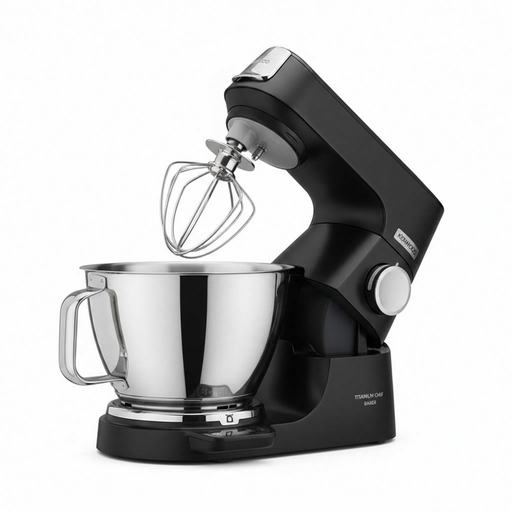
Why This Fits Their Persona: This is a serious kitchen assistant for those who regularly bake and knead heavy dough. It's more than a mixer; it's an investment in baking convenience and precision.
The high 1200W power is not a marketing gimmick here, but a functional necessity for kneading heavy bread dough. The robust aluminium housing and stainless steel mixing bowl are built for intensive use, unlike cheaper plastic models.
Built-in scale for precision. Powerful 1200W motor that adapts to the task. Large 5-litre mixing bowl and an extra 3.5-litre bowl for flexibility.
We have compiled a complete, up-to-date list of products that meet these selection criteria and UK safety regulations.
This depends entirely on your use case. For making smoothies from soft fruit and liquids, 300-600 watts is often enough. If you regularly want to blend frozen fruit, ice cubes, or hard vegetables like carrots, look for a model with 800 watts or more. For grinding nuts or making very smooth, fibre-rich green smoothies, a blender with 1000 watts or more is recommended.
No, be careful with this. A glass jug is generally the safest choice for hot liquids. Hot soup in a sealed plastic jug can build up pressure, causing the lid to fly off. If you have a plastic jug, let the soup cool down a bit first or check the manufacturer's manual to see if it's suitable for hot ingredients. Always purée hot liquids in small batches and hold the lid down firmly. An immersion blender is often a more practical option, as you can purée the soup directly in the pot.
A blender (or countertop blender) is an appliance with a fixed jug on a motor base, ideal for making larger portions of smoothies, milkshakes, or soups. An immersion blender is a handheld, elongated device that you insert directly into a pot, beaker, or bowl. This makes it very suitable for quickly puréeing soups, making sauces or mayonnaise, and for smaller quantities. An immersion blender is more compact and often easier to clean.
