
Vandaag of morgen in huis

Kwaliteit gegarandeerd

Welkomstaanbiedingen ontgrendelen: GRATIS bezorging | Tot 80% korting | Gratis 30 dagen JoyPlus-proefperiode
Download de app
If you’re looking to buy biscuits and wafers online, you’ll quickly be faced with a long list of chocolate biscuits, filled cookies, wafers and Japanese snacks. The packaging often tells you something about flavour, size or origin, but it doesn’t always reveal what really matters for your situation. Whether you want biscuits for on the go, a family stash or something to enjoy with your coffee, portion size, allergens and shelf life are practical points to consider.
A multipack might look appealing, but first check the total weight and number of portions. Ten small packs can be handy for school or work, while a single 200g bag works better for a coffee moment at home. So compare the price per 100g when that information is available.
Chocolate biscuits and chocolate wafers can contain different types of coatings, cocoa powders or chocolate-like flavourings. Look at the ingredients list to see where sugar, vegetable fats, cocoa powder or chocolate appear. The order tells you which ingredients are relatively more prominent in the recipe. This isn’t a judgement on taste, but it helps you separate marketing language from product information.
Panda or animal characters appeal to kids, but always check the allergen information and nutritional values. According to the product info, Tokimeki Panda Cookie Biscuit Chocolate Flavor contains wheat, milk, egg and soya, among other things. Even with well-known products like Oreo biscuits and Pocky biscuits, allergens may be present or traces of other ingredients may be listed.
For biscuits on the go, smaller packs are practical. They fit more easily into a lunchbox and limit how many biscuits you take with you. The Meito Pukupukutai wafer, for example, comes in a 16.5g pack. Tokimeki Panda biscuits are available in a 40g pack, and Glico Pocky Cookies & Cream in 40g.
For home use, a larger pack often makes more sense. G'woon Crispy Brownie Chocolate Cookies contains 200g, and Oreo Original is also available as a multipack with 10 packs of 66g. Just bear in mind how quickly the contents will be eaten after opening and whether the packaging reseals well.
Check at least the following for every product:
With imported Asian biscuits, the recipe may differ from a similar European version. Product information can also change. So if you have allergies or intolerances, always use the label on the packaging you receive as your guide.
Compare nutritional values per 100g when you’re weighing up different types of snacks. For instance, the product info for Verkade Frou Frou Vanilla states 540 kcal and 36.4g of sugar per 100g. The stated values for Oreo Original are 476 kcal and 38g of sugar per 100g. These figures help with comparison, but they don’t tell you which flavour you’ll personally enjoy.
Store biscuits and wafers according to the instructions: usually in a cool, dry place away from direct sunlight. Check the best-before date on the packaging. Don’t buy any product where the packaging is damaged.
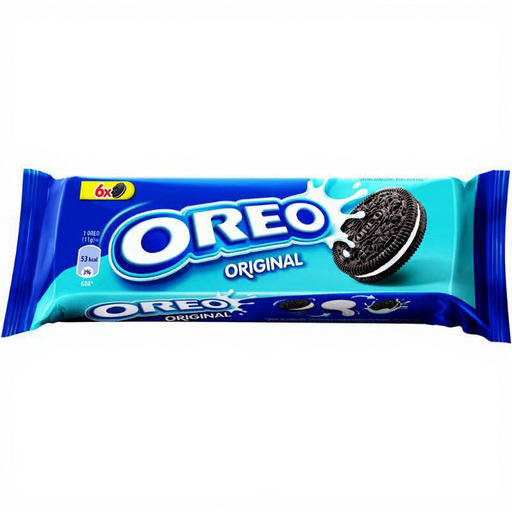
Why this suits the profile: A straightforward 66g pack is ideal if you want to try a familiar flavour first without committing to a large stock.
The product information clearly states the quantity, ingredients and allergens. So you can check the packaging and composition before buying.
Cocoa biscuit with 29% vanilla filling according to the product description; handy size for a small snack moment.
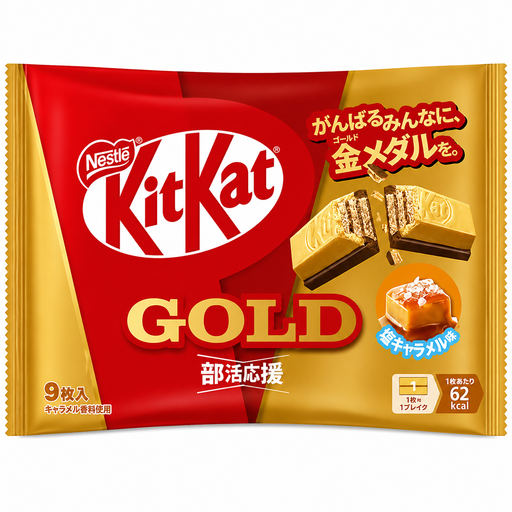
Why this suits the profile: The combination of chocolate, wafer and salted caramel suits anyone looking for more variety than a standard vanilla biscuit.
The pack contains 9 individual pieces. This makes it easier to share the contents over a coffee moment or with visitors.
Approximately 11.6g per piece; contains wheat, milk and soya according to the product information. The flavour is described as sea salt caramel.
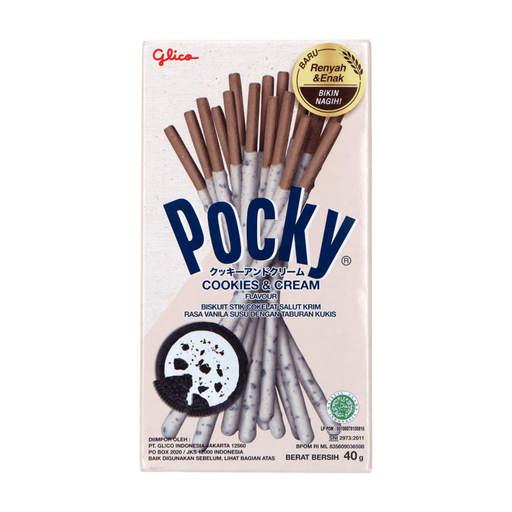
Why this suits the profile: The compact pack is useful for school, work, travel or a treat where you want to combine several flavours.
The 40g weight is clearly stated. So you know upfront that this is a small snack pack, not a family-size bag.
Crunchy biscuit sticks with a cookies-and-cream coating; according to the product information, it contains wheat, milk and soya.
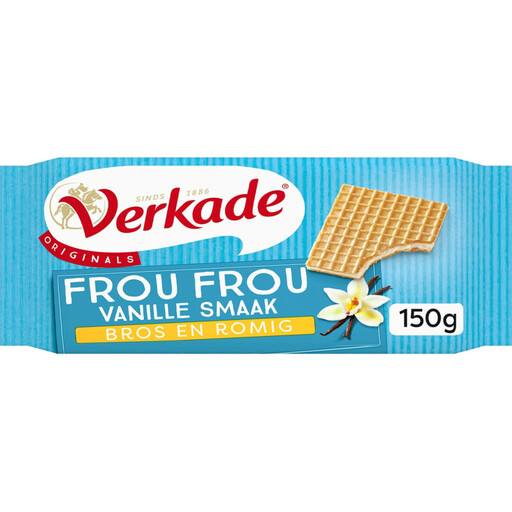
Why this suits the profile: A 150g pack works well for sharing over coffee or tea and offers an alternative to chocolate biscuits.
The product page lists the weight, Nutri-Score, ingredients, allergens and nutritional values. This makes comparison easier.
Crispy vanilla wafer, described as made in the Netherlands; contains egg, milk, lactose, wheat and soya, among other ingredients.
We’ve put together a full, up-to-date list of products that fully meet these strict selection criteria and comply with current European safety regulations.
When ordering sweet snacks online, use this quick checklist:
For a mix of flavours, you could order vanilla biscuits, strawberry biscuits and chocolate wafers together. That way, you can discover which varieties suit your household without relying solely on the packaging.
Small packs of around 40g to 66g are easy to take with you in a bag or lunchbox. Examples include Tokimeki Panda biscuits, Glico Pocky and Oreo Original 66g. Just check whether the pack can be resealed after opening.
The exact shelf life is stated on the packaging. Unopened snacks generally stay good until the stated date if you store them in a cool, dry place. After opening, crispy wafers and biscuits can soften more quickly. So seal the pack properly and follow the manufacturer’s instructions.
Always read the full ingredients list and the separate allergen declaration. Pay particular attention to wheat, milk, lactose, egg, soya, peanuts, nuts and sesame. If you have an allergy, the information on the physical packaging is the most reliable, because recipes and production lines can change.
