
Vandaag of morgen in huis

Kwaliteit gegarandeerd

Welkomstaanbiedingen ontgrendelen: GRATIS bezorging | Tot 80% korting | Gratis 30 dagen JoyPlus-proefperiode
Download de app
Buying biscuits online gives you access to far more than just standard chocolate cookies. You’ll find Japanese biscuits, Asian snacks, butter biscuits, wafers, speculaas biscuits and biscuits to enjoy with your coffee or tea. At the same time, it’s not always immediately clear what you’re actually ordering when you shop online.
An attractive packet doesn’t tell you much about what’s inside. So pay particular attention to the net weight, ingredients, allergens and best-before date. That way, you can avoid a small trial pack working out more expensive than expected, or a product not suiting your dietary needs.
A box can look big, while the biscuits are individually wrapped and quite small. Always check the weight and the number of portions. For example, the NABATI Butter Caramel Flavor Wafer contains 12 individually wrapped wafers of 27 grams each, totalling 324 grams. That’s practical for sharing, taking with you or serving in a controlled way.
“Matcha”, “strawberry” or “butter” can in practice mean an aroma, a powder or a flavour combination. Look at the ingredients list to see which components are actually included. Nikko Matcha Cookies, for instance, lists 0.6% matcha, alongside wheat flour, milk constituents and cocoa butter.
For the VINA Lava Cookie Bites, the product information shows the strawberry filling contains glucose syrup, strawberry purée or flavouring and colouring. So the flavour description isn’t the same as a claim about the amount of fruit.
International biscuits can contain allergens that you wouldn’t immediately guess from the product name. Always check the label, especially for biscuits with chocolate, nuts, milk or multiple fillings. Look out for wheat and gluten, milk, egg, soya, peanuts and nuts. The information on the packet is what counts, because ingredients and warnings can change.
For everyday snacking, a pack of 36 to 100 grams can be enough. For visitors or stocking your cupboard, packs of 145 to 403 grams make more sense. Individual wrappers are handy for taking with you and sharing, while a larger bag or box usually means less packaging per biscuit.
Also think about when you’ll be eating them:
Compare products per 100 grams. This makes the difference in energy, fat, sugars and salt much clearer than just looking at portion size. The values aren’t a judgement on the product, but they help you make a choice that fits your own eating pattern.
For example, a product like Verkade Maria Biscuits lists 438 kcal per 100 grams and 20.3 grams of sugars. Nikko Matcha Cookies lists 582 kcal and 43 grams of sugars per 100 grams. The portions, ingredients and eating occasions differ, so don’t look at just one nutritional value.
Biscuits generally keep their texture better if you seal the pack properly after opening. The product information for many items recommends a cool, dry place, away from sunlight, heat and moisture. Check the best-before date on the packet and don’t use a pack if it’s damaged.
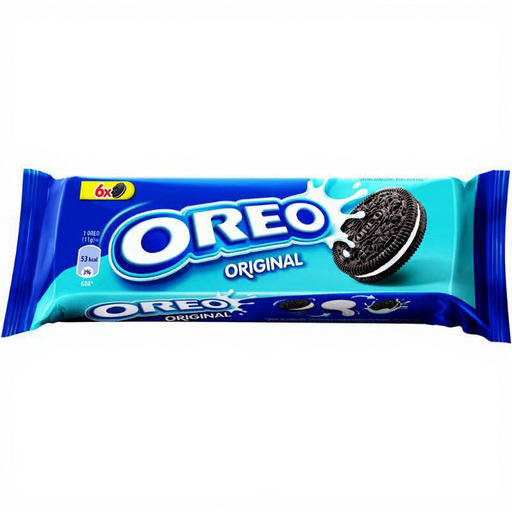
Why this fits the profile: A small pack is handy when you want to try a familiar chocolate flavour first without buying a large stock straight away.
The net weight of 66 grams is clearly stated. The ingredients and allergens, including wheat and soya, can be checked via the product information.
66 grams; cocoa biscuit with vanilla filling; easy to store and suitable as a small sweet snack.
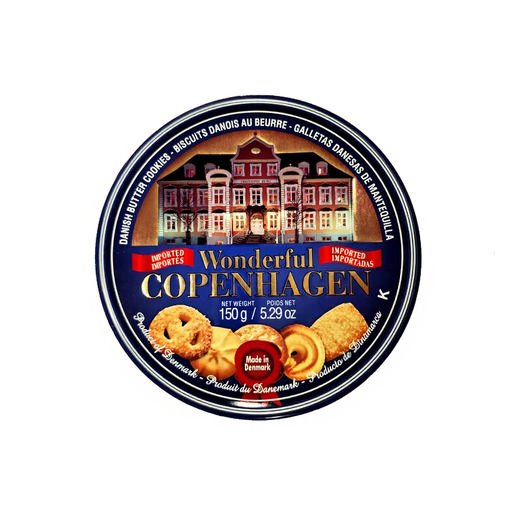
Why this fits the profile: This pack suits a coffee moment with visitors, or anyone looking for a classic butter biscuit with a clear list of ingredients.
The pack states 150 grams and 26% butter. The presence of wheat flour, milk constituents and nut warnings is also included.
150 grams; Danish butter biscuit; 21 grams of fat and 25 grams of sugars per 100 grams according to the product information.
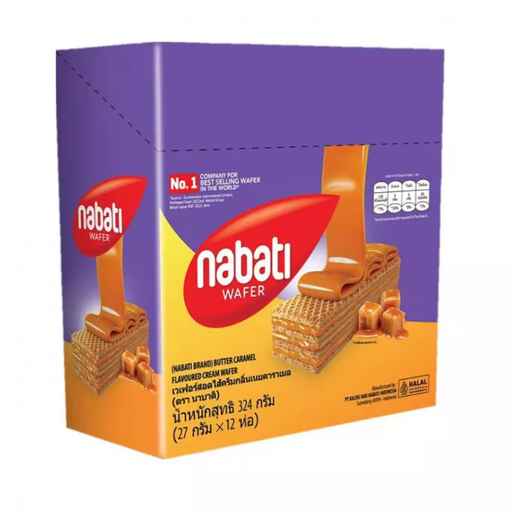
Why this fits the profile: The individual portions are suitable for work, on the go, visitors or a stash that several people can dip into.
The number of packs and the weight per portion are clear upfront: 12 × 27 grams. This makes the contents easier to judge than with an unspecified bulk pack.
324 grams total; 12 individually wrapped wafers; crispy layers with a butter-caramel flavour according to the product description.
We’ve put together a full, up-to-date list of products that fully meet these strict selection criteria and comply with current European safety regulations.
First, check the ingredients, allergens, net weight and best-before date. Then look at the country of origin, the packaging format and the flavour you want. With Japanese biscuits and other Asian snacks, terms like matcha, milk or fruit can be part of a flavour combination and don’t necessarily indicate a large amount of that ingredient.
Store biscuits in a cool, dry place and seal the pack well. Moisture can affect the crunchy texture. Individually wrapped wafers and biscuits are handy when you don’t finish the pack in one go. Always check the specific storage instructions on the label.
That depends on the size and presentation. A selection box, butter biscuits or a larger box works well for sharing. For a treat on the go, small packs, biscuit sticks or individually wrapped wafers are more practical. When giving biscuits as a gift, also check the allergen information so the recipient can decide for themselves whether the product is suitable.
