
Vandaag of morgen in huis

Kwaliteit gegarandeerd

Welkomstaanbiedingen ontgrendelen: GRATIS bezorging | Tot 80% korting | Gratis 30 dagen JoyPlus-proefperiode
Download de app
If you’re looking to buy biscuits, you’ll quickly see a huge selection: from stroopwafels and speculaas to biscuits, crackers and Japanese snacks. A low price or eye-catching packaging doesn’t always tell you what you’re actually getting. So pay close attention to the contents, allergens and when you plan to eat the biscuits.
A bag of 450 or 600 grams may look attractively priced, but always check the price per 100 grams first. A large pack isn’t always practical either if you’re only serving biscuits with coffee. For on-the-go or in a lunchbox, a smaller portion can be more convenient.
Words like “premium”, “delicious” or “fruit flavour” are no substitute for the ingredients list. A fruit-flavoured biscuit may, for example, contain mostly sugar, oil and flavouring. So look at the first ingredients and check whether the product actually contains fruit pieces, cocoa, butter or nuts.
Many biscuits contain wheat and gluten. Other common allergens include milk, soya, egg, nuts and sesame. With international biscuits, the information may be presented differently or the packaging may carry additional warnings. Always check the physical label before consuming the product, especially if you have an allergy or intolerance.
Choose the size based on your situation:
When buying biscuits for a party, it’s also useful to combine different textures: soft cake-like snacks, crunchy biscuits and savoury crackers.
Don’t just compare the flavour – compare the composition too. Here are a few examples from the range:
The composition can change. Use the online product information as an initial guide, and always read the label on the packaging you receive before consuming.
The nutritional information helps you compare products more fairly. Pay particular attention to:
A lower number in one area doesn’t automatically mean a product is better for everyone. Flavour, portion size and allergens remain equally important.
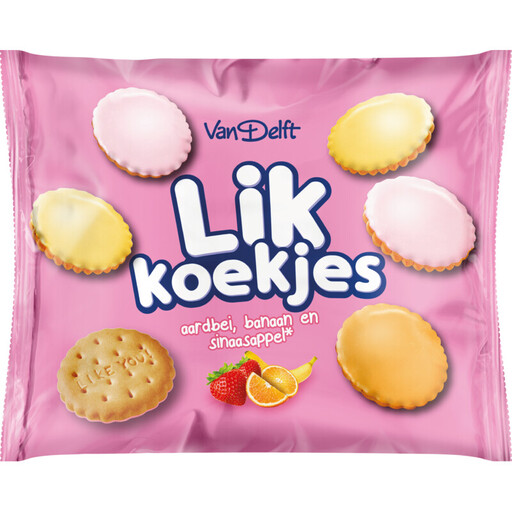
Why this suits the profile: A straightforward 200-gram bag with colourful fruit icing and a crunchy base. Ideal for a coffee break or sharing at home without opening a large pack.
The weight is clearly stated and the product information mentions wheat and possible traces of rye, barley and oats. Check the actual packaging before purchase.
200 grams, crunchy texture, fruity icing layer and 417 kcal per 100 grams according to the stated product information.
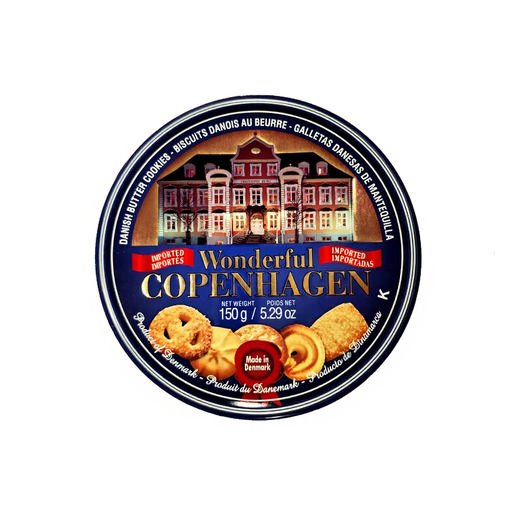
Why this suits the profile: A compact choice for those who value a buttery composition and a classic Danish biscuit to enjoy with coffee or tea.
The ingredients list states 26% butter and the pack contains 150 grams. Allergen information mentions wheat and possible traces of soya and nuts, among others.
150 grams, 26% butter according to the product information and a classic biscuit texture for serving with hot drinks.
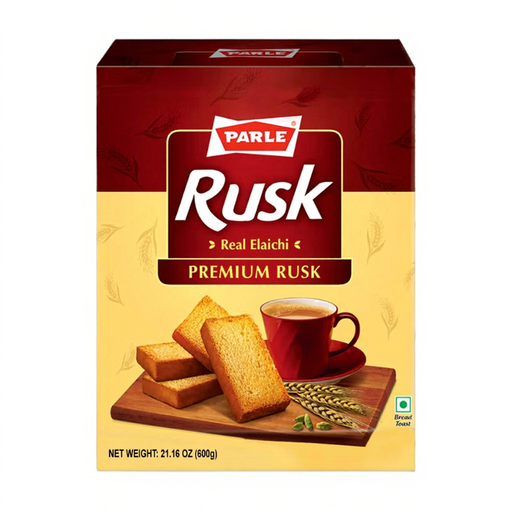
Why this suits the profile: The large pack is aimed at families and regular tea or coffee breaks. The firm rusk can be dunked, making it different from ordinary sweet biscuits.
The weight of 600 grams and its use with tea or coffee are clearly stated. The pack must be sealed well after opening to maintain its crunchy texture.
600 grams, lightly sweetened according to the product description and suitable for dunking. Contains wheat and milk.
For a varied selection, you can combine different flavour directions. Dutch stroopwafels and speculaas go well with coffee, while rice cakes and crackers offer a more savoury alternative. If you fancy trying something different, you could choose Japanese snacks such as Tokimeki Panda Cookies, Glico Pocky or KitKat Strawberry Short Cake.
Korean snacks, like Orion Choco Pie, are also handy for sharing. For a sweet, nutty flavour, Turkish snacks such as Kahve Dunyasi Gofrik with pistachio are an option. With international products, pay extra attention to the language on the packaging, import information, best-before dates and allergens.
We’ve put together a full, up-to-date list of products that fully meet these strict selection criteria and comply with current European safety regulations.
Check the weight, number of pieces, price per 100 grams, ingredients and allergen information. Also look at the best-before date and storage instructions. The information on the packaging is the deciding factor if it differs from the online product page.
That depends on your preference. Stroopwafels, speculaas, butter biscuits and rusk are obvious choices for coffee. If you want to offer several flavours, combine a spiced biscuit with a fruity or chocolate biscuit.
Generally, store biscuits in a cool, dry place away from direct sunlight. Seal the packaging well to prevent moisture and loss of crunchiness. Always follow the specific storage instructions on the label.
