
Vandaag of morgen in huis

Kwaliteit gegarandeerd

Welkomstaanbiedingen ontgrendelen: GRATIS bezorging | Tot 80% korting | Gratis 30 dagen JoyPlus-proefperiode
Download de app
If you’re looking to buy biscuits, you’ll soon find a wide choice of flavours, sizes and countries of origin. From Japanese biscuits and Danish butter cookies to chocolate biscuits, sandwich biscuits and caramel biscuits, the packaging doesn’t always tell you what will work best for you. A large bag may seem like good value, but it’s less convenient if you only want the occasional treat with your coffee. A small pack is easy to take with you, but may cost more per gram.
As a Joybuy Product Recommendation Officer, I filter product information using verifiable details, so you can look beyond the marketing claims. Here’s what to consider before buying biscuits.
A family pack of biscuits can be useful for a family, guests or a party. Even so, it’s worth comparing the net weight and number of portions. A 799 g pack is practical for sharing, but less suitable if you want to keep your biscuits fresh and will take a long time to finish the pack.
Also check whether the biscuits are individually wrapped. This can be handy for lunchboxes and when you’re out and about, but it doesn’t automatically mean a lower price per gram.
Descriptions of flavour are subjective, so check the ingredients, allergens and nutritional values per 100 g. For butter cookies, for example, the percentage of butter may be relevant. In sandwich biscuits, the filling contributes to the sugar and fat content. A brand’s claims about flavour or quality aren’t an independent guarantee, so assess them alongside the product information on the label.
Ingredients, languages and pack sizes can vary for international biscuits. Before eating them, always check the latest Dutch or European labelling on the packaging. Look out in particular for wheat and gluten, milk, egg, soya, nuts, peanuts and sulphites. If you have an allergy or intolerance, always follow the information on the product packaging.
For everyday use, portion packs or smaller bags are often easier to manage. A 40 g pack fits easily into a bag or lunchbox. A 150–250 g pack is suitable for a few coffee breaks. For a family or gathering, a 454–800 g family pack may make more sense.
When buying biscuits, compare more than just the price of the pack: check the price per 100 g too. Also check whether the product comes in individual portions or needs to be sealed airtight after opening.
Check the energy, fat, saturated fat, carbohydrates, sugars and salt per 100 g. These figures are most useful for comparing products; they’re not health advice. When your biscuits arrive, check the best-before date and store them in a cool, dry place away from direct sunlight. Seal opened packaging properly to help keep the biscuits crisp for longer.
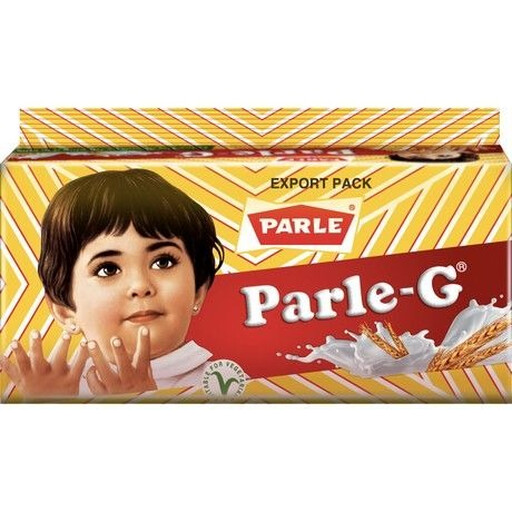
Why it suits this buyer: The large pack is ideal for sharing with family, serving to guests or enjoying at a party. Its mildly sweet flavour goes well with tea and coffee.
The 799 g weight makes the quantity clear. You can easily compare the price per 100 g with smaller packs.
799 g pack; suitable for vegetarians according to the product information; contains milk and wheat.
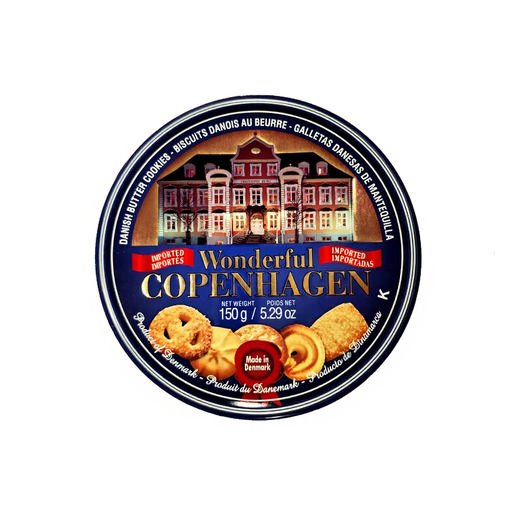
Why it suits this buyer: The compact pack is ideal for a coffee break or as a gift-like treat, without having to open a large tin or family pack.
The product information states that the biscuits contain 26% butter. This gives you a more concrete way to assess the ingredients than relying on the packaging alone.
150 g pack; 26% butter according to the label; contains wheat and milk.
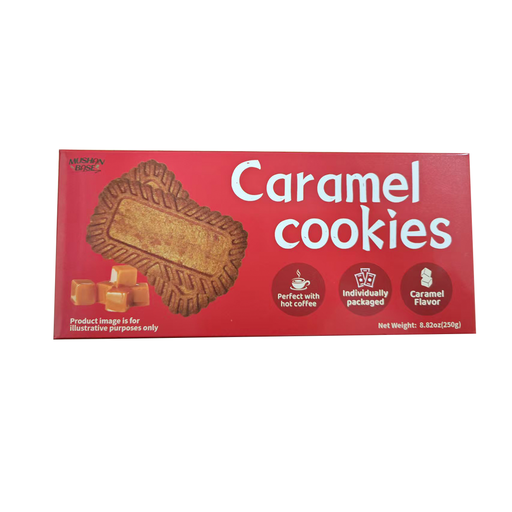
Why it suits this buyer: The individually wrapped caramel biscuits are practical for work, visits, lunchboxes or occasions when you want to hand out several portions.
With around 25 portions, you won’t need to open a large bag every time you want a biscuit. Always check the allergens on the packaging.
250 g pack; around 25 individually wrapped portions; wheat and gluten listed as allergens.
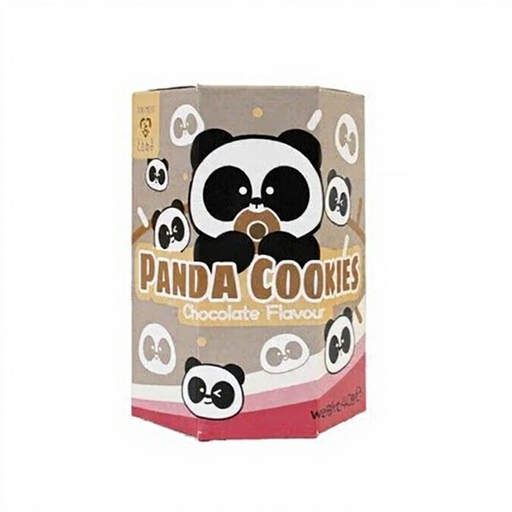
Why it suits this buyer: The 40 g pack and panda shape make this a practical choice for a small snack, lunchbox or children’s party.
The small pack helps you avoid buying more than you need. The ingredients list includes wheat, milk, egg and soya; check the current packaging.
40 g pack; crisp chocolate flavour according to the product description; handy to take with you.
We’ve put together a complete, up-to-date list of products that meet these strict selection criteria and current European safety regulations.
It depends on what you like. Maria biscuits, coffee biscuits and Danish butter cookies usually have a simple, crisp texture. For a bolder flavour, try chocolate biscuits, caramel biscuits or spiced biscuits. Before buying a large pack, consider how many biscuits you’ll actually need.
Compare the net weight, price per 100 g, ingredients, allergens, pack size and shelf life. With international products, it’s a good idea to check the physical label again once your order arrives. Product images and online information can change, so always refer to the current packaging.
Store biscuits in a cool, dry place away from direct sunlight. Seal the bag or box properly, or use an airtight storage container. This helps limit moisture absorption and keeps biscuits crisp for longer. Don’t use a product if its packaging is damaged, and always follow the storage advice on the label.
